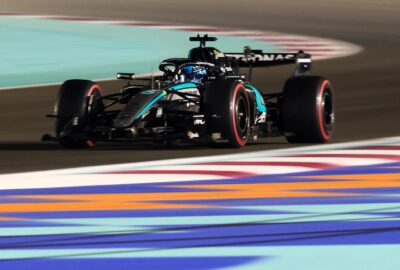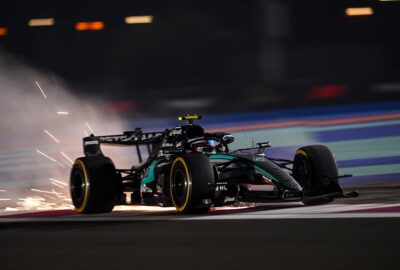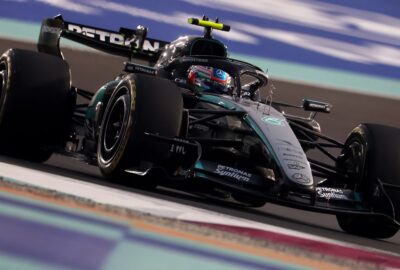
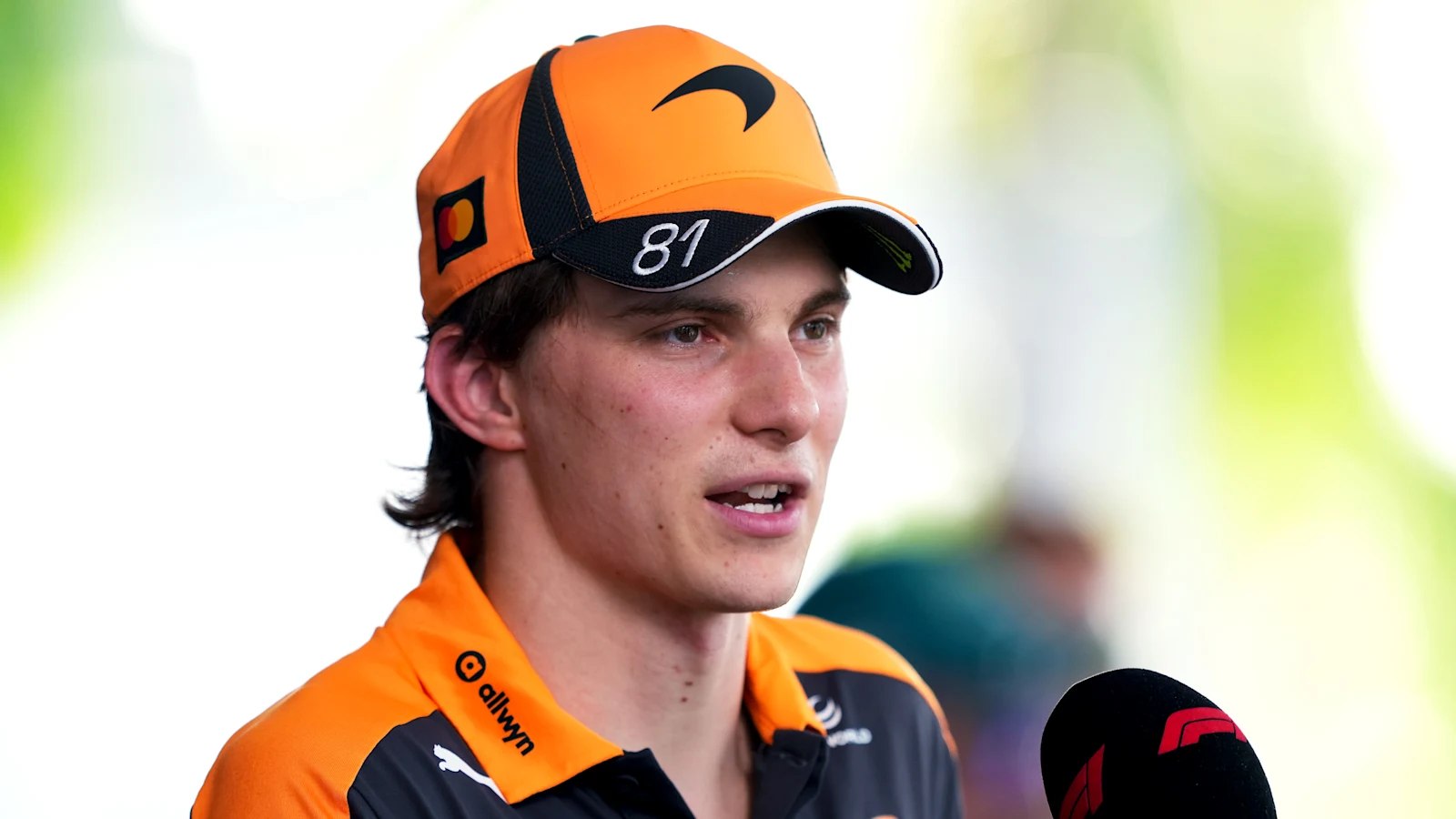
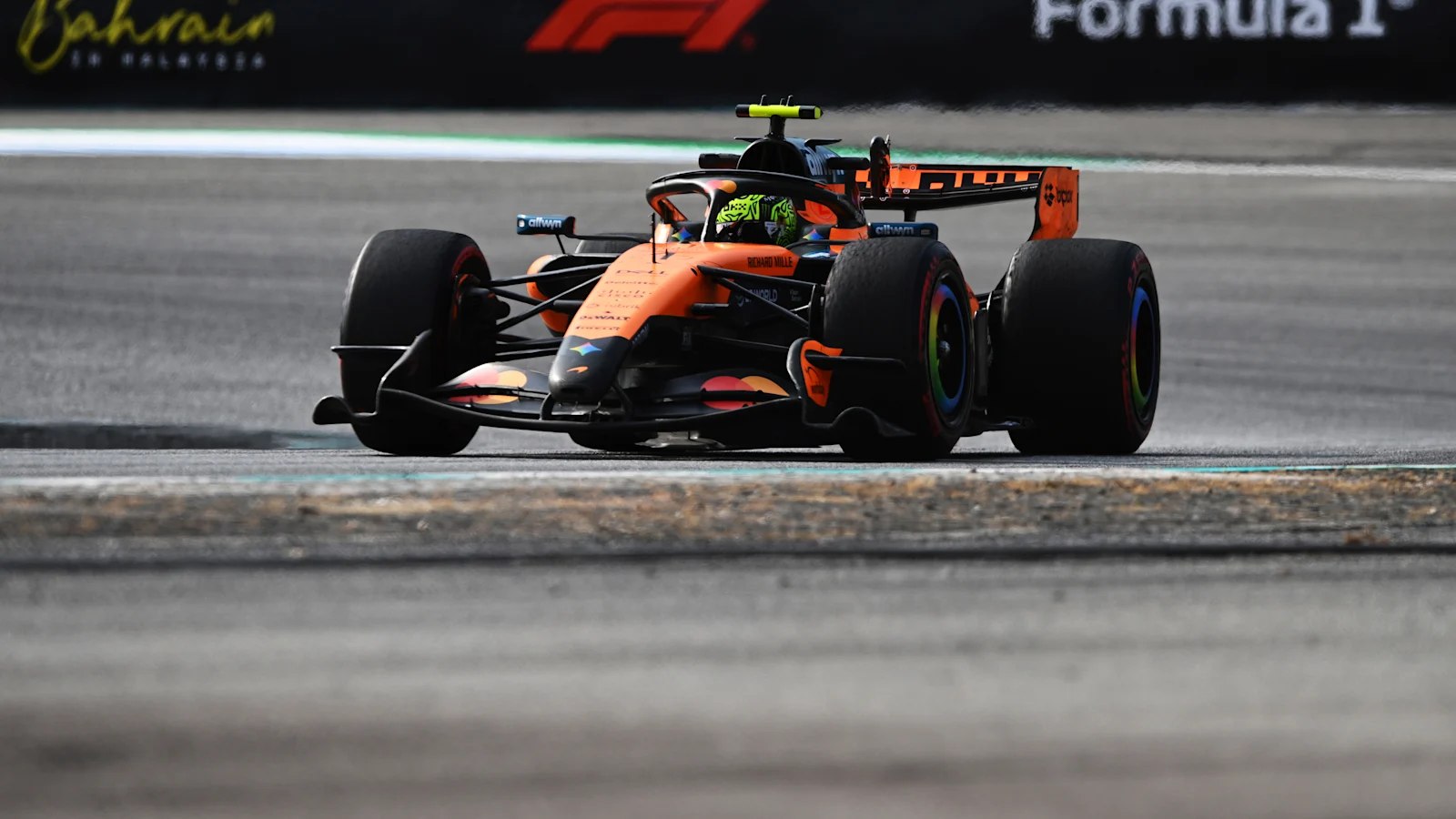
McLaren’s two Friday sessions at Sepang on 2 October told different stories. Oscar Piastri and Lando Norris finished 11th and 12th in first practice for the Bahrain Grand Prix in Malaysia. By the end of FP2 Norris was third and Piastri sixth. Piastri said the car felt more competitive after a difficult opening session, although he still saw McLaren a fraction behind the other three front-running teams.
A rougher surface and less grip than expected
Senior Racing Director Randy Singh said both the shortage of grip and the roughness of the surface had caught McLaren by surprise. The team struggled to get the car working well in FP1. Singh credited work at the circuit and at the factory for the improvement in FP2, without identifying a particular set-up change.
Before the weekend, Norris had picked out Sepang’s fast corners as an opportunity. He felt the upgrades introduced in Baku were working as intended and hoped their strengths would show more clearly here. He also saw a drawback in the circuit’s long straights, an area where the MCL40 still needed work. A promising sequence of corners was only part of the lap the engineers had to prepare for.
Both cars close on the session benchmark
Max Verstappen led FP1, with Piastri 1.756s back and Norris 1.773s behind. Charles Leclerc set the pace in FP2. Norris was now 0.137s off the lead and Piastri 0.371s away. Measured against the fastest lap in each session, Norris closed by 1.636s and Piastri by 1.385s.
| Driver | FP1 position | FP1 gap (s) | FP2 position | FP2 gap (s) |
|---|---|---|---|---|
| Lando Norris | 12 | 1.773 | 3 | 0.137 |
| Oscar Piastri | 11 | 1.756 | 6 | 0.371 |
Piastri said the teams had expected rain in FP2. It stayed dry, and tyre choices were different from the usual Friday pattern. He thought Red Bull had looked strong all day, Mercedes had shown speed at times and Ferrari had been particularly competitive in FP2. He put the top four teams close together but said he still had little sense of McLaren’s long-run pace.
INKA SPORTS analysis and summary: what did third in FP2 show?
The fastest laps in the two sessions differed by just 0.008s, from 1:37.520 in FP1 to 1:37.528 in FP2. Against a virtually unchanged benchmark, both McLarens went from about 1.8s adrift to within four tenths. That supports Singh’s assessment that the car was in a better place. With different tyre programmes in play, the times do not isolate the gain from any one adjustment or upgrade.
Before practice, Piastri had explained that the simulator could teach him braking points, gears and approximate speeds. Feeling the available grip and adapting as the fuel load changed still required laps on track. Friday’s clearest gain was that both cars moved closer to the front as the team got to know the surface. Norris’s third place gave McLaren something to build on for qualifying, but Singh stopped short of predicting a fight for pole.