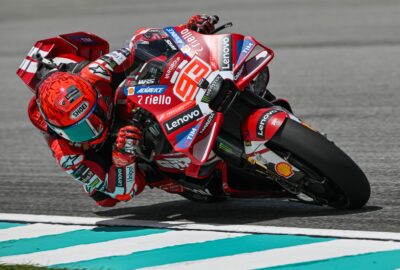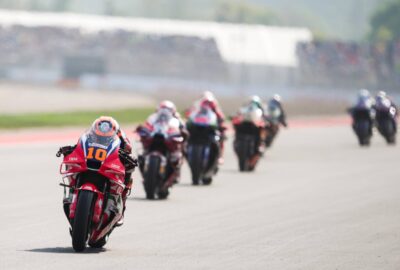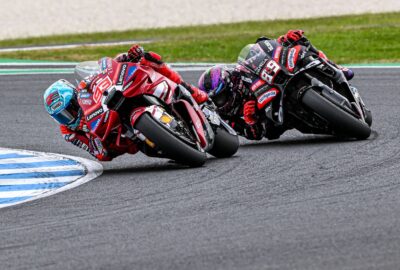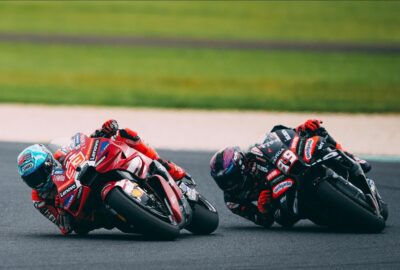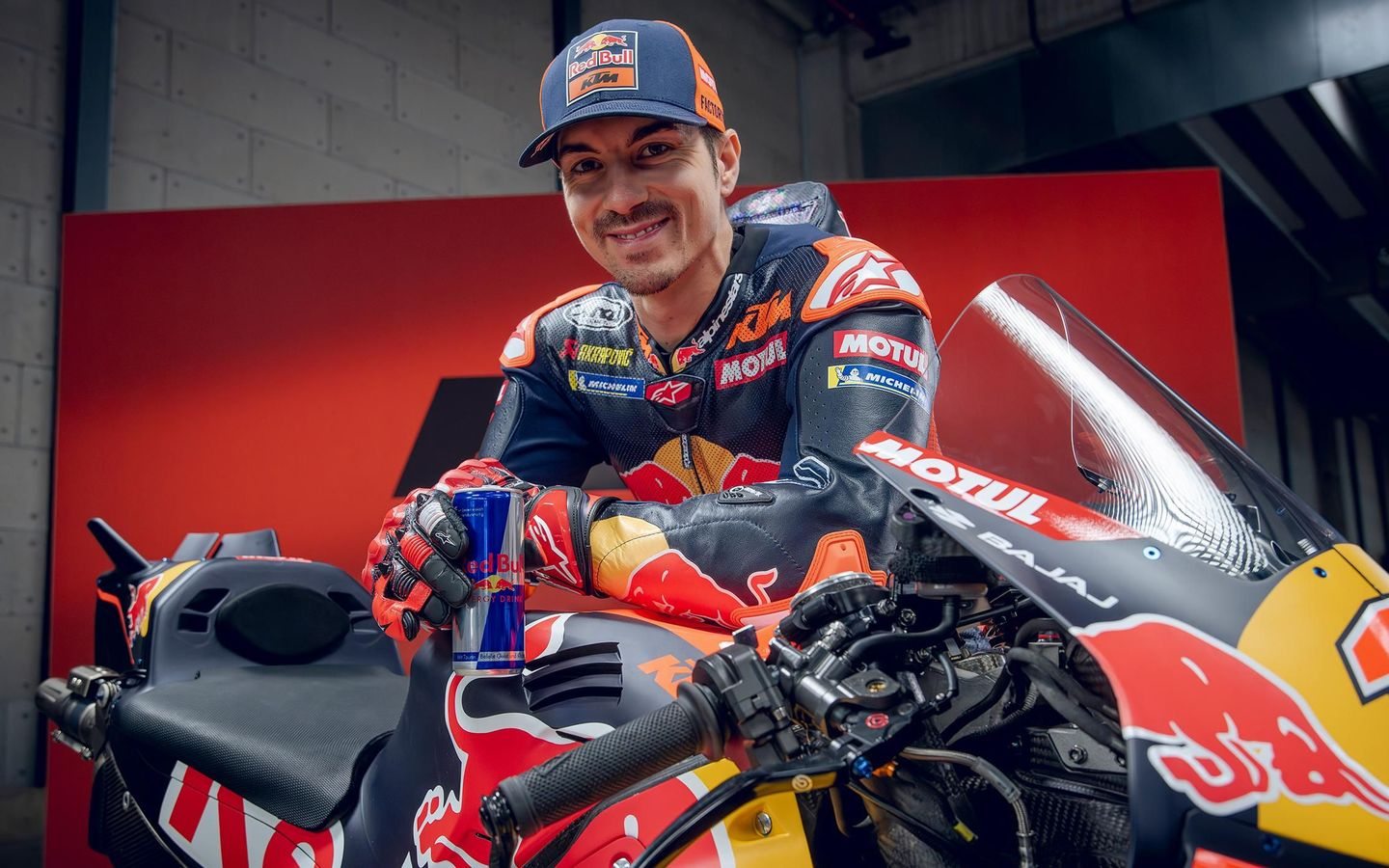
According to Motorsport.com’s report on 20 September, Maverick Vinales then planned to join the following day’s Pirelli test at the Red Bull Ring, returning to the KTM RC16 to assess whether his left shoulder could support a comeback at the Japanese Grand Prix. The primary purpose was to judge readiness to return, rather than target a test ranking.
The report said Vinales had increased physical preparation and ridden a production sports bike at Alcarras in Spain. After a positive physical response, he contacted KTM, which prepared an RC16. He had stopped racing again after July’s German round, with Pol Espargaro substituting. At that stage, the Japan plan still depended on further assessment.
Return confirmed on 28 September
On 28 September, MotoGP reported Red Bull KTM Tech3’s confirmation that Vinales had been cleared to return at the Japanese Grand Prix after further medical and fitness assessments. He said he was not yet at 100% but felt ready for the next step. Motegi would help him understand his physical condition and gradually regain the feeling of the bike.
On 2 October, he finished 22nd in Japan’s Friday Practice. Tech3 recorded his feedback that he felt good physically and had expected more difficulty with his forearm. After a long absence, however, he still needed to readapt to the RC16’s responses. He linked the lack of fluency to confidence and made completing the race his objective for the weekend.
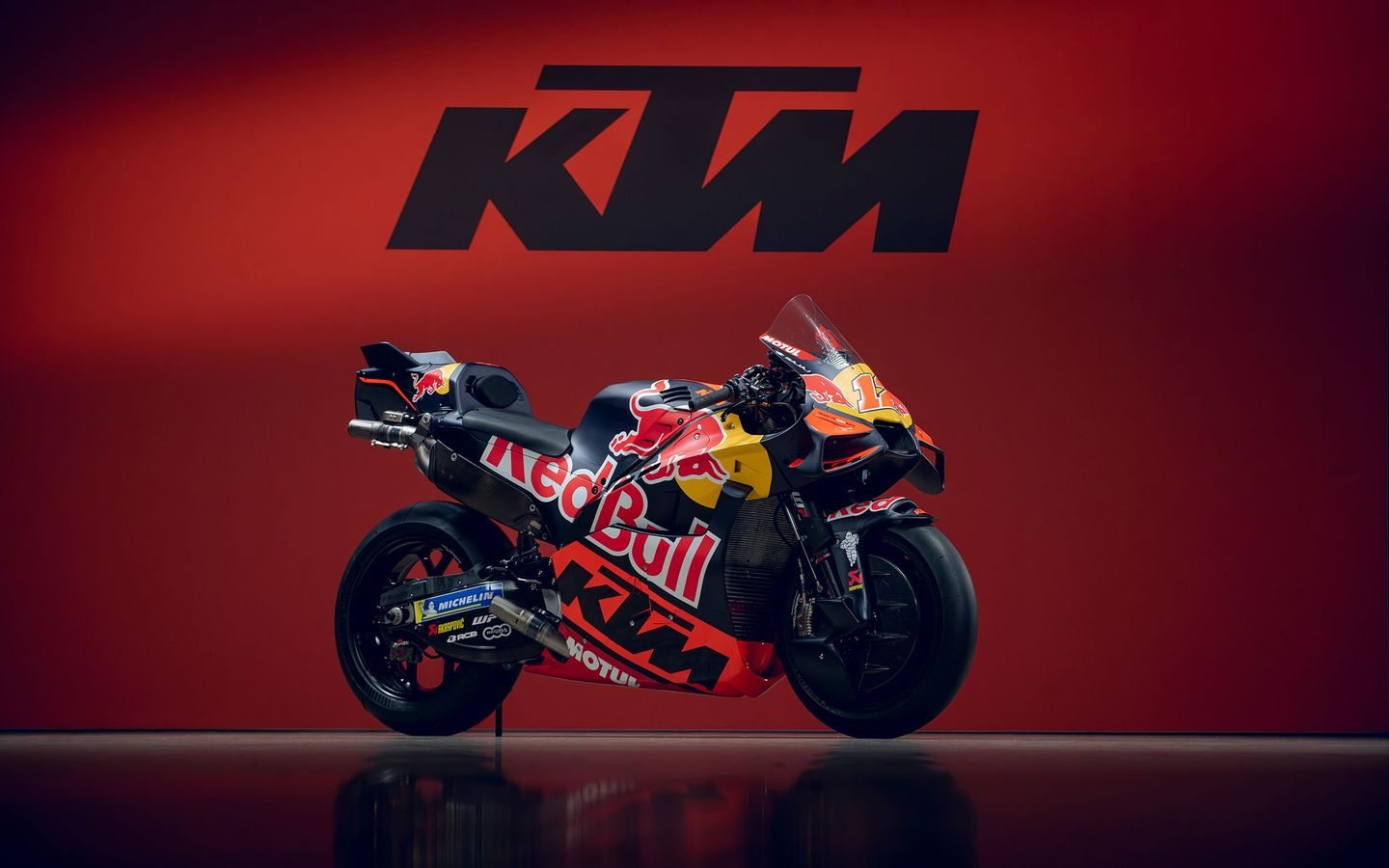
Fourteenth in the Grand Prix on 4 October
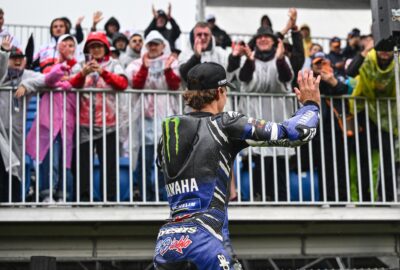
On 4 October, Vinales completed the Japanese Grand Prix in 14th and scored two points. Afterwards, he said his feeling with the bike improved in every session and he found good speed in the middle of the race, though he still could not push at his maximum intensity in the closing stages. He particularly noted greater concern about his forearm than his shoulder, with Motegi’s heavy braking leaving the forearm fatigued.
INKA SPORTS analysis: clearance and rebuilding rhythm are separate steps
From the initial test plan to finishing in Japan, clearance and rebuilding competitive rhythm served different purposes. The former established whether he could re-enter competition. The latter also involved understanding the bike, restoring fluency over sustained running and maintaining performance late in the race. After clearance, Vinales still explicitly identified RC16 adaptation and confidence as tasks on Friday. His improvement mid-race but inability to push fully at the end further shows that permission to compete does not complete both tasks simultaneously.
After Japan, Tech3 manager Nicolas Goyon confirmed that Vinales had achieved his target of completing the full weekend without mistakes. That result complements the rider’s description of session-by-session improvement and supports the conclusion that he had taken the step back into racing. As for competitiveness, he discussed bike feeling, confidence and forearm fatigue together. Neither 22nd in practice nor 14th in the race can simply be attributed to the shoulder, and finishing position cannot establish full recovery of the injury.
Summary
The Austria test plan aimed to place comeback assessment in a real MotoGP-bike environment. Subsequent medical and fitness evaluations, a complete Japanese weekend and two points show that Vinales has returned to racing. His comments on bike feeling and late-race performance leave a specific task in rebuilding competitive rhythm. Returning to the grid and returning to ideal performance are two distinct steps in this comeback.