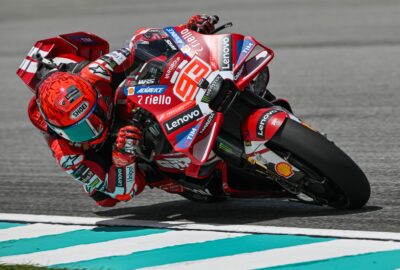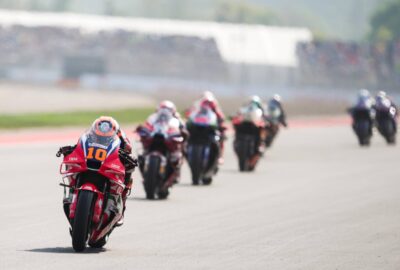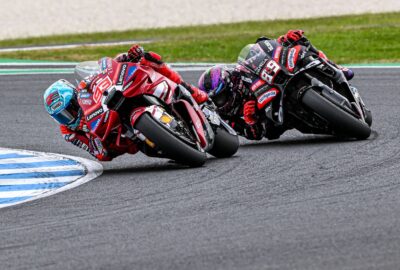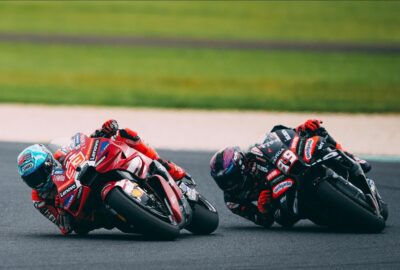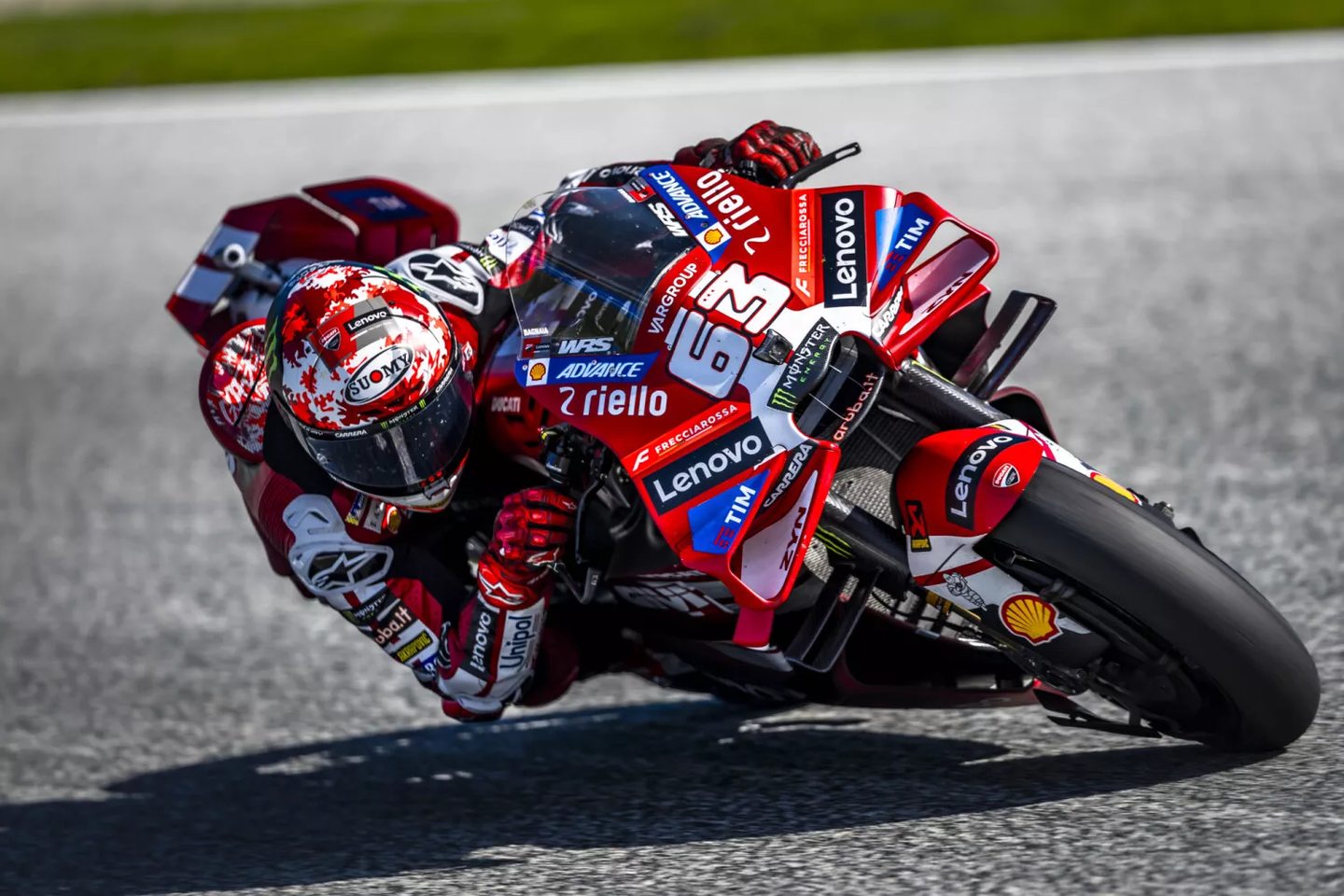
According to Motorsport.com’s report on 19 September, Francesco Bagnaia proposed a 2027 qualifying-format change at the Austrian round. Saturday qualifying would first determine the Sprint grid, then each rider’s fastest lap in the Sprint would set the Sunday Grand Prix grid. He wanted the two races no longer tied to a single qualifying session and a second chance for riders who made a qualifying mistake.
Under the 2026 format, Saturday qualifying sets the starting order for both the Sprint and the Grand Prix. MotoGP’s official weekend guide says the top ten in Friday Practice advance directly to Q2, while the rest contest two advancement places in Q1. Bagnaia noted that a rider could crash in qualifying. If Sprint lap times offered another chance to earn a Grand Prix grid slot, one qualifying mistake would not have to affect both races.
No desire for another high-intensity timed session
Bagnaia also stressed that he did not want another timed session because Saturday was already demanding. He felt Sprint lap times could help teams prepare for Sunday and disagreed with mixing qualifying selection into practice, seeking a balance between the two. His second-chance proposal came together with a request not to keep adding sessions.
Honda rider Luca Marini focused on the actual role of Friday Practice. He observed that practice already had a qualifying function, so replacing it with qualifying on Friday afternoon and another session on Saturday morning might merely rename existing elements. He was willing to discuss changes benefiting riders, manufacturers and the spectacle, and wanted riders involved in the dialogue.
Separate qualifying confirmed on 7 October
On 7 October, the FIM published the formal 2027 arrangements. Friday will feature 45-minute FP1, 30-minute FP2 and a 15-minute Sprint Qualifying session for all riders. Saturday will have 20-minute FP3 followed by Grand Prix Q1 and Q2, each lasting 15 minutes. All riders will enter Q1, with the top twelve advancing to Q2. Friday qualifying will set the Sprint grid and Saturday qualifying the Grand Prix grid. The Sprint-fastest-lap method was not adopted.
INKA SPORTS analysis: where the shared aim and final method differ
The formal format and Bagnaia’s proposal share the aim of producing separate grids for the two races, ending the link whereby one qualifying session determines both. The difference lies in the method. Bagnaia wanted the existing Sprint to reorder the Grand Prix grid. The formal format produces both grids through independent qualifying before the Sprint begins. Sprint lap times therefore play no role in Grand Prix grid positions, so riders do not need to seek a fastest lap for that purpose while also fighting for Sprint positions.
The formal schedule also did not reproduce his request to avoid additional timed sessions. It adds Sprint Qualifying and sends every rider into Grand Prix Q1, instead of the top ten in Friday Practice entering Q2 directly. The FIM explained that shorter practice sessions would offset the additional activity. The new timed qualifying and reduced practice occur together; the latter cannot simply be interpreted as riders facing one fewer competitive session.
Summary
Bagnaia’s September proposal placed a second qualifying opportunity within the Sprint while calling for no further timed sessions. The 2027 format confirmed on 7 October separates the two grids but does so through independent qualifying, reducing practice time to adjust the schedule. Distinguishing the shared objective from the specific method makes clear the difference between the rider’s suggestion and the final rules.