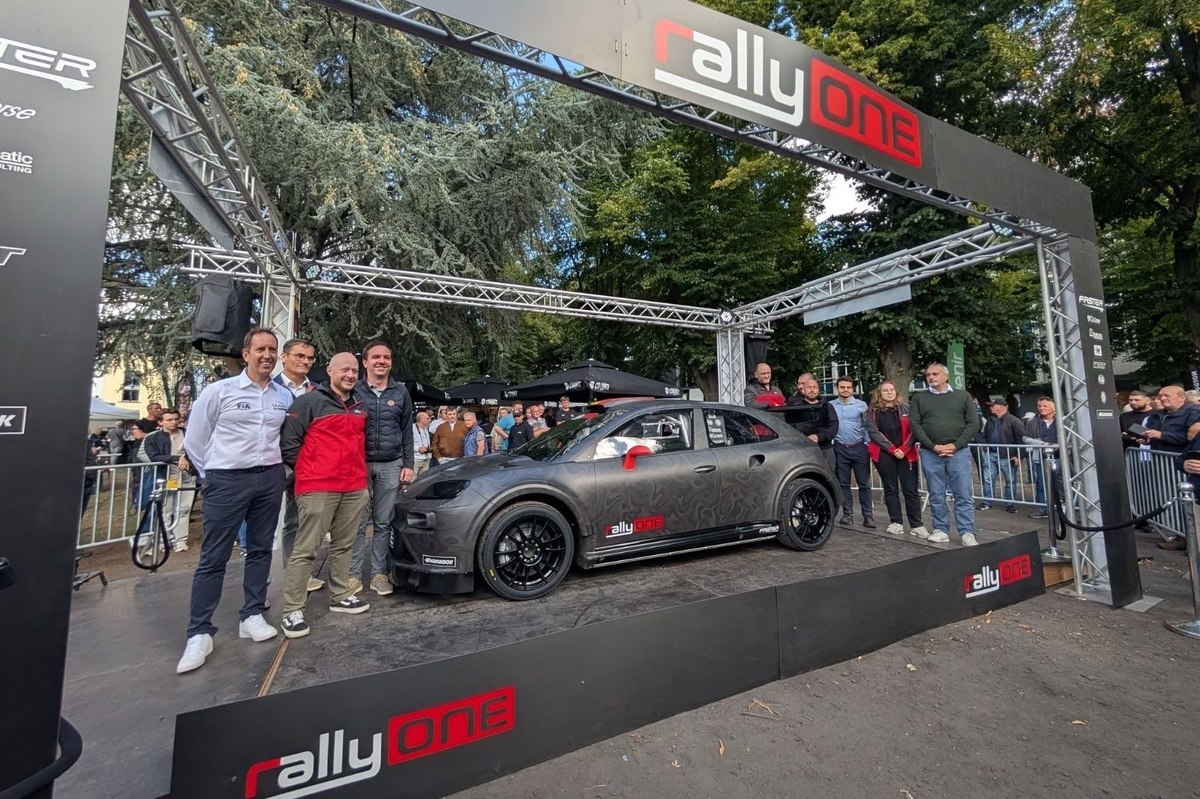
Project Rally One is targeting a two-car debut at the 2027 Monte Carlo season opener. Motorsport.com reported on September 18 that the independent Belgian team publicly presented its car for the new WRC regulations at the Rally4Passion event in Huy. Led by figures including engineer Lionel Hansen and former FIA rally director Yves Matton, the project has now reached the testing stage. Unveiling the car and being ready to compete remain two different milestones.
750 kilometres of asphalt testing completed, with gravel development to follow
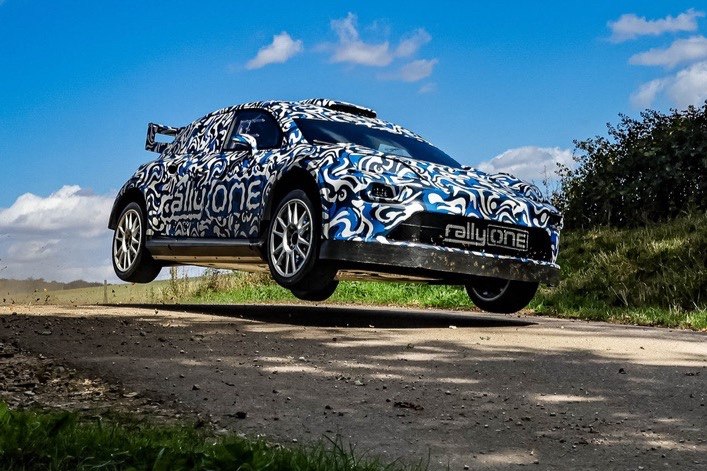
Hansen said the team had just completed five days of asphalt testing in France, covering 750 kilometres with Stephane Lefebvre and Bruno Thiry driving. He said there had been no reliability issues during this phase and performance had met internal expectations. That is the project leader’s assessment of this stage of testing, rather than a result achieved against factory cars under comparable conditions.
The team plans to involve Teemu Suninen in gravel development in October. Hansen is also targeting November 1 for the car’s homologation, and said the two-car Monte Carlo plan remains realistic, although considerable work is still outstanding. Specific drivers are already involved in development testing, but discussions about the opening-round line-up were still ongoing at the time.
Independent teams gain access, but must meet the same homologation requirements
When announcing the project on December 17, 2025, the FIA explained that the WRC27 framework would, for the first time, open constructor status and homologation to independent car developers, allowing them to compete under the same rules as automotive manufacturers. Project Rally One was among the first projects announced under this framework. The FIA also made clear that participation remained conditional on the project’s completion and the car successfully obtaining the relevant technical homologation. Homologation confirms that a car meets the technical requirements for competition; a public unveiling cannot replace that process.
The car uses a Volkswagen Group-based engine, with foundations similar to the power unit in the Skoda Fabia RS Rally2, substantially modified for the WRC27 regulations and the project’s objectives. The bodywork incorporates Porsche-inspired design elements, but Hansen explicitly said the German brand had no technical or financial involvement. Faster Racing helped design and manufacture the bodywork. Neither its appearance nor its engine’s origins turns Project Rally One from an independent team into a manufacturer programme.
Staffing is another part of the preparations. Sporting director Alain Penasse said the project employs 21 full-time staff and that the Monte Carlo target requires the right people to be placed in the right roles within a very tight timeframe. The driver line-up is still under discussion. Hansen said around 4,500 hours had already been invested in developing the car. With a limited overall budget, the team must continue to work flexibly and efficiently.
INKA SPORTS analysis: What remains between 750 kilometres of testing and a two-car debut?
The first question addressed by the new rules is who can enter the homologation process. Giving independent teams the same access as car manufacturers allows them to develop cars through their own projects. The common homologation requirements also mean that newcomers must deliver a finished car that meets the standards. Opening the rules broadens the possibilities for participation, but the teams still have to build and test their cars. The FIA’s conditions of project completion and successful homologation are precisely the practical hurdles the two-car target must clear.
The 750-kilometre record shows whether the car can run consistently during the current asphalt phase. Gravel development brings a different set of surface conditions. If faults emerge, the team must identify their causes, resolve them and reassess sustained running. Continued reliability would add evidence that the car can adapt to different surfaces. The next gravel feedback is therefore more useful than simply extrapolating the existing mileage. Hansen’s statement that performance meets expectations also refers only to the team’s targets; it does not yet establish where the car stands against factory opposition.
A two-car debut also extends the task beyond car development into organising an actual rally entry. Two compliant cars, confirmed crews and staffing arrangements all have to be in place. A development driver completing a test does not mean a rally crew has been finalised. Penasse’s emphasis on urgent staffing decisions shows that the 21-person team faces more than a car-building task. Even if homologation is completed, the debut target will not be fully met if crews and two-car preparations remain unresolved. Progress on all these fronts together would bring the project closer to turning its public unveiling into a start on a competitive stage.
Conclusion
Project Rally One has turned the opportunity offered by the new regulations into a running car and asphalt testing, giving its two-car debut target a more concrete foundation than it had at the announcement stage. Whether it can compete as planned depends on successful homologation, the findings from gravel development and preparations for two cars and crews coming together. Current progress demonstrates that development is advancing; it does not yet make either the debut or factory-level competitiveness a settled outcome.