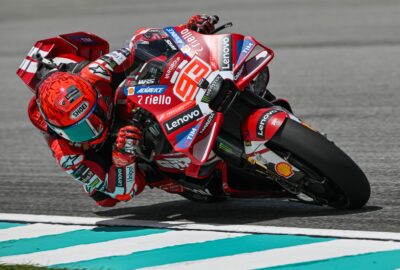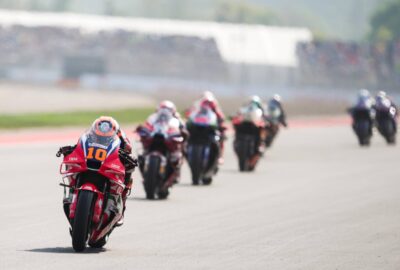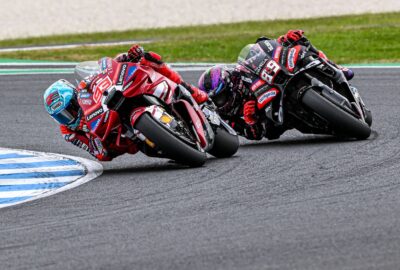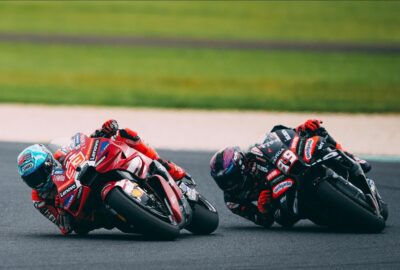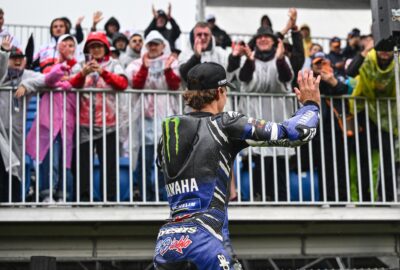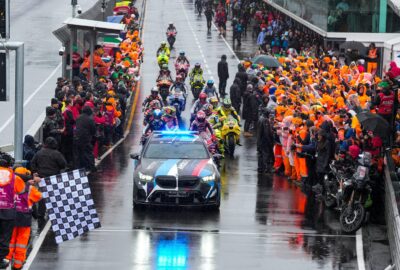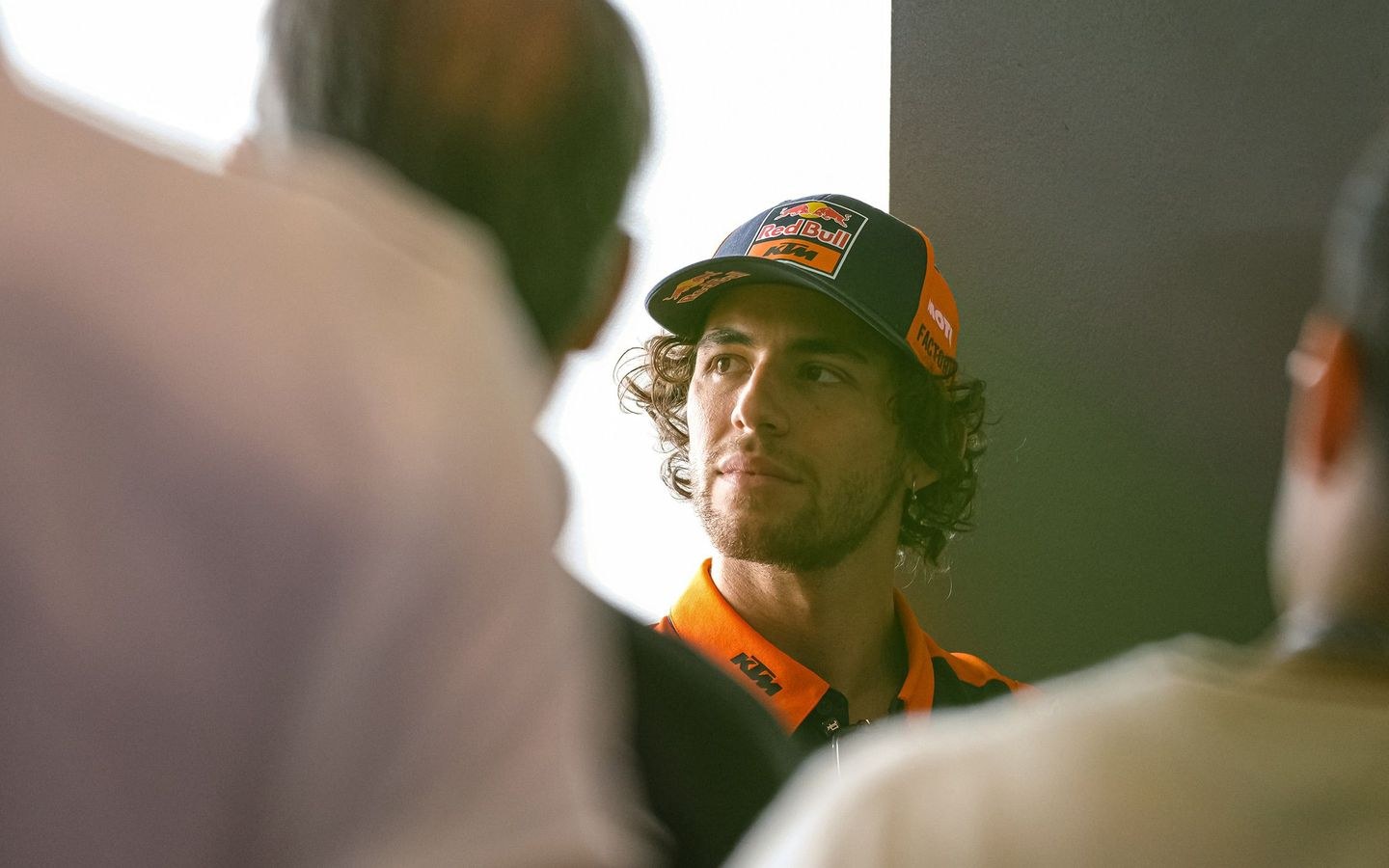
According to Motorsport.com’s report on 20 September, Enea Bastianini wanted to try the Pirelli tyres that MotoGP will adopt in 2027 before the season-ending Valencia test, but did not receive permission after discussing the matter with KTM. He wanted all riders continuing next year to have early access to the new tyres. Fabio Di Giannantonio also noted that preparation conditions differed between riders and called for a means of expressing their concerns collectively.
This is particularly significant for Bastianini as he prepares to change manufacturers. Trackhouse confirmed in its official announcement on 24 August that he would join the team and ride an Aprilia from 2027, beginning the new phase at this year’s Valencia test. His concern, as reported by Motorsport.com, was that he might have only one day for his first experience of the new tyres, with rain potentially reducing the useful running time further.
Riders want a channel for a collective voice
In the report, Di Giannantonio said riders lacked a unified organisation and could even take opposing positions because of their differing circumstances. Restrictions on training bikes also meant that their preparation conditions were not the same. Motorsport.com’s analysis drew a comparison with F1’s Grand Prix Drivers’ Association, the GPDA, and argued for stronger collective representation.
How riders were selected for the Brno test
Pirelli’s announcement of the Brno test, published on 22 June, provided a specific record of the preparation already undertaken. All five manufacturers took part in the test, which was open to selected race riders, but the manufacturers chose the participants. The announcement listed race riders including Acosta and Marc Marquez, alongside test riders such as Pedrosa. Bastianini was not on the published list. Pirelli explained that it had asked each manufacturer to provide at least one race rider, with one or two test riders working on a second bike.
The same announcement said each manufacturer supplied two bikes, with the test programme agreed in advance with the manufacturers and the teams’ association, IRTA. The bikes had different running programmes to increase the data available for tyre development. Some were 2027 850cc prototypes, while others were current machines modified, including through reduced power, to simulate the new configuration. Some riders completed Sprint simulations and full race-distance runs.
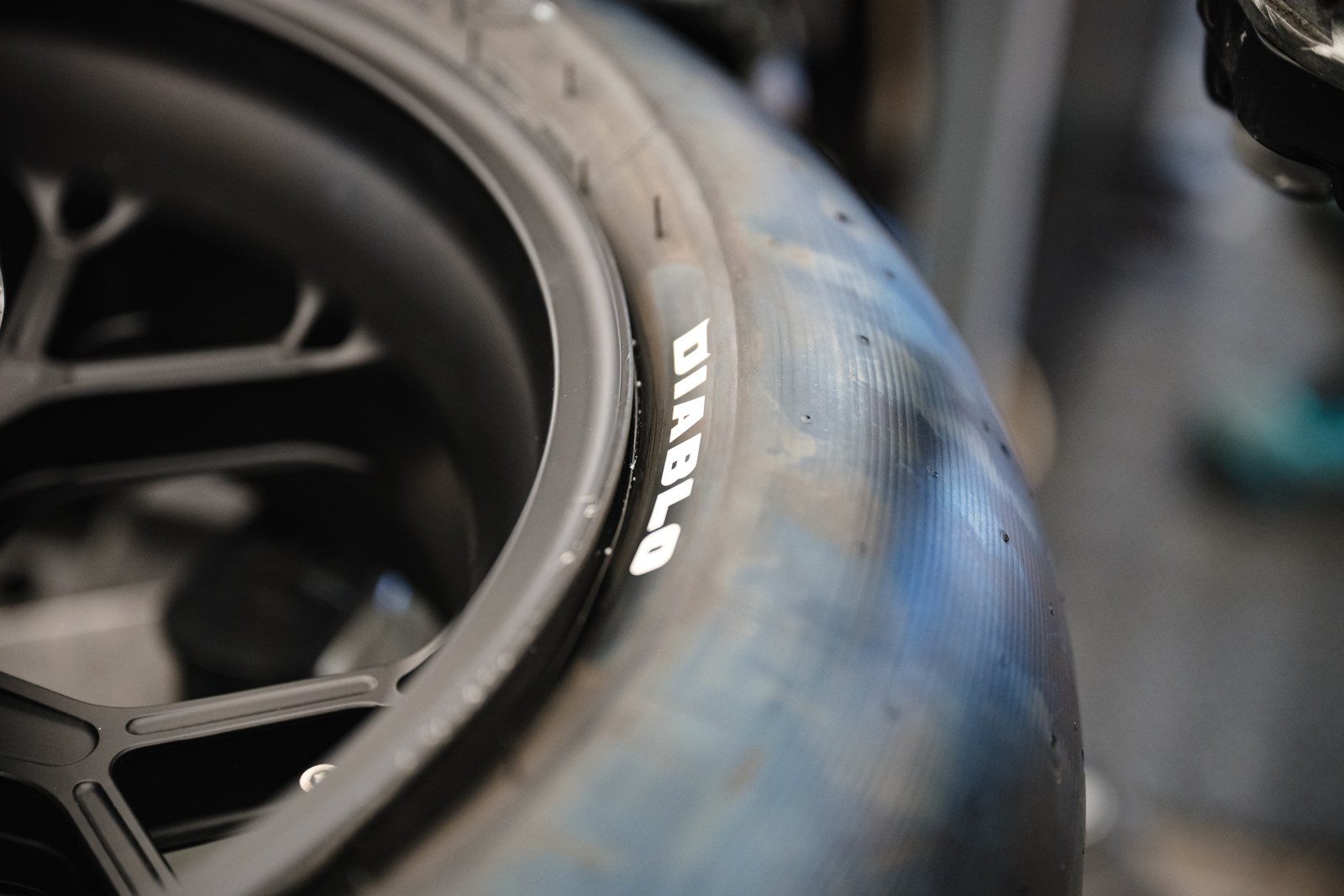
As reported by Motorsport.com, Bastianini believed riders could gain an initial understanding of the tyres on 1000cc bikes without necessarily using the new 850cc prototypes. The report also mentioned manufacturers’ concerns about departing riders taking information about new bikes with them, as well as coordination with Michelin to prevent overlapping tests of the outgoing and incoming tyres. The proposal to try the tyres therefore also involved bike specification and testing permission.
There were already specific examples of differences in preparation experience. Ducati’s official announcement that Bulega would stay with the manufacturer and also serve as a MotoGP test rider confirmed that he would work with Pirro on developing the Desmosedici GP using Pirelli tyres. It identified his WorldSBK experience as an asset for the transition. Meanwhile, Pirelli’s announcement of its first test on 16 September 2025 made clear that the MotoGP tyres would be products developed specifically for the premier class. Current bikes also had to be modified at that test to approximate the future 850cc configuration as closely as possible.
INKA SPORTS Analysis: Why development participation has not covered every rider’s adaptation
The available information shows that conducting tyre-development tests and giving every rider an initial understanding serve different needs. Manufacturers selecting riders for Brno and assigning different tasks to two bikes can help gather development feedback, but cannot give non-participants the same first-hand experience. Bastianini will also have to learn the new Aprilia after his move. If his first experience of the tyres is concentrated into that same day, he will have to develop an understanding of both changes within limited time.
Assessing subsequent arrangements therefore requires looking at the actual participants, available running time and bike specifications. News that all five manufacturers took part does not establish when every 2027 rider will first try the new tyres. Comparing fastest laps alone also cannot distinguish development tasks from the benefits of becoming familiar with a tyre. Bulega’s existing experience can inform his feedback, but MotoGP-specific tyres and modified test bikes still mean future racing performance will need to be demonstrated afresh.
Conclusion
Bastianini’s and Di Giannantonio’s concerns have shifted the discussion from the progress of new-tyre development to individual riders’ opportunities to prepare. The Brno test has documented some riders’ involvement in development, while those yet to try the tyres want more experience before Valencia. Whether subsequent arrangements include those riders and provide genuinely usable track time will be the concrete measure of whether this discussion addresses the practical problem.