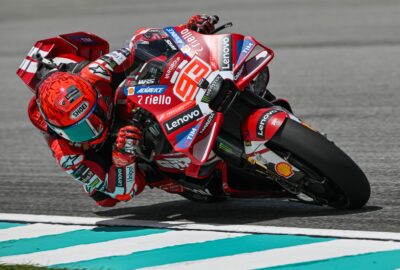
According to Motorsport.com’s report on 19 September, MotoGP chief Carmelo Ezpeleta still planned to travel to Qatar and hold the Grand Prix on 8 November under the existing schedule. Speaking to DAZN, he said the organiser remained in regular contact with Qatar and that the local parties wanted to host the event. The intention to race would remain unchanged unless there was a major change in the situation.
Ezpeleta gave that response when asked when a decision would be made on whether to go to Qatar. He described the current intention and communication with local organisers, without announcing a new race date or another deadline for a final decision. His comments need to be understood alongside the postponement that had already taken place that year and its effects on the closing rounds of the season.
How the postponement affected the end of the season
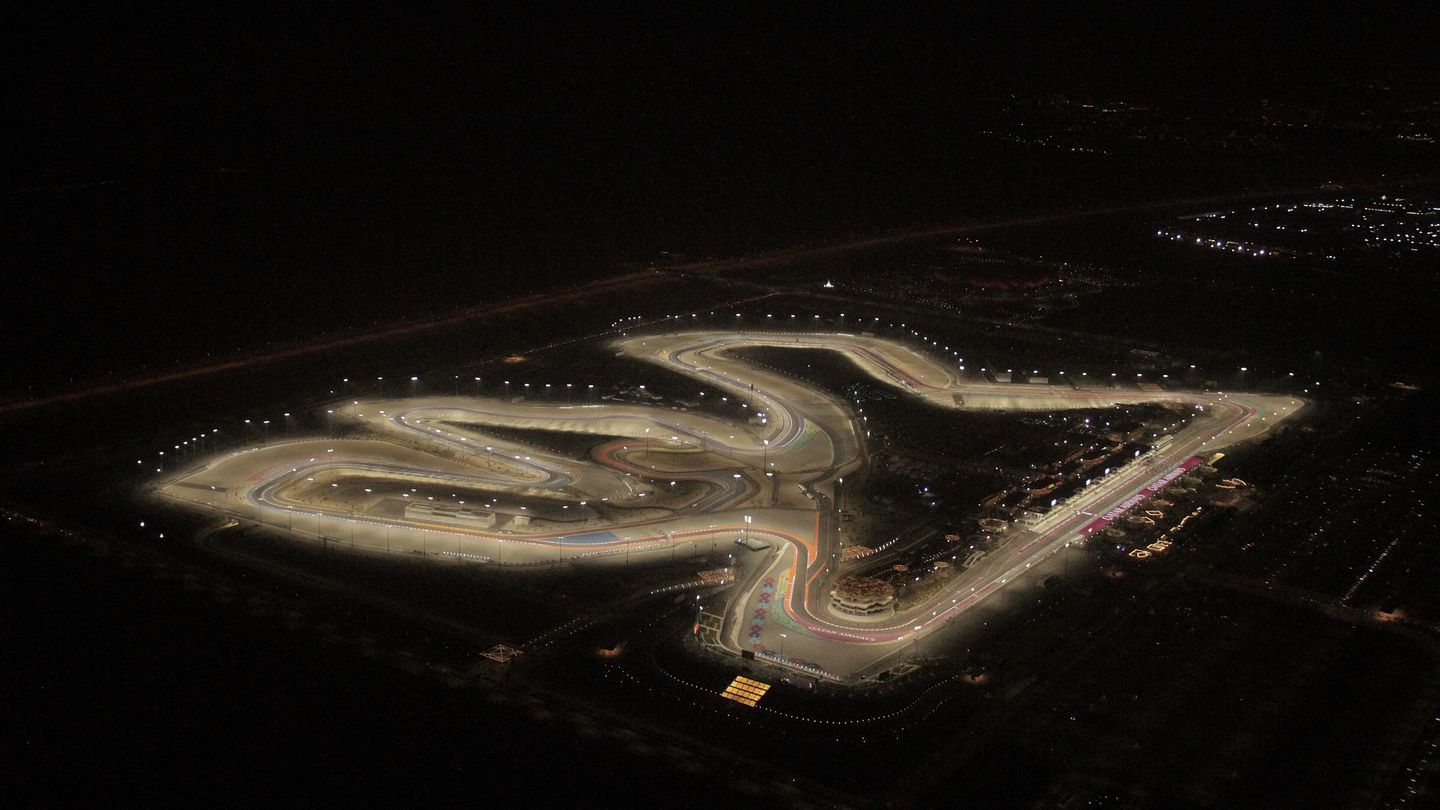
The postponement announcement issued by MotoGP and the FIM on 15 March confirmed that the Qatar Grand Prix, originally scheduled for April, had been moved to November because of the situation in the Middle East. The race date in the announcement was 8 November, while the Qatar Motor and Motorcycle Federation and Lusail circuit officials confirmed the full weekend as 6–8 November. The organiser, the FIM and local bodies coordinated the move, with the safety of participants and spectators and the quality of event organisation the principal considerations in setting the date.
The same announcement moved Portugal to 22 November and the season finale in Valencia to 29 November, leaving the other rounds unchanged. Circuit Ricardo Tormo also issued a local announcement on 15 March confirming that the Valencia weekend would move to 27–29 November, one week later than originally planned, and remain the final round of the season. Qatar’s postponement thus prompted formal changes to two other rounds.
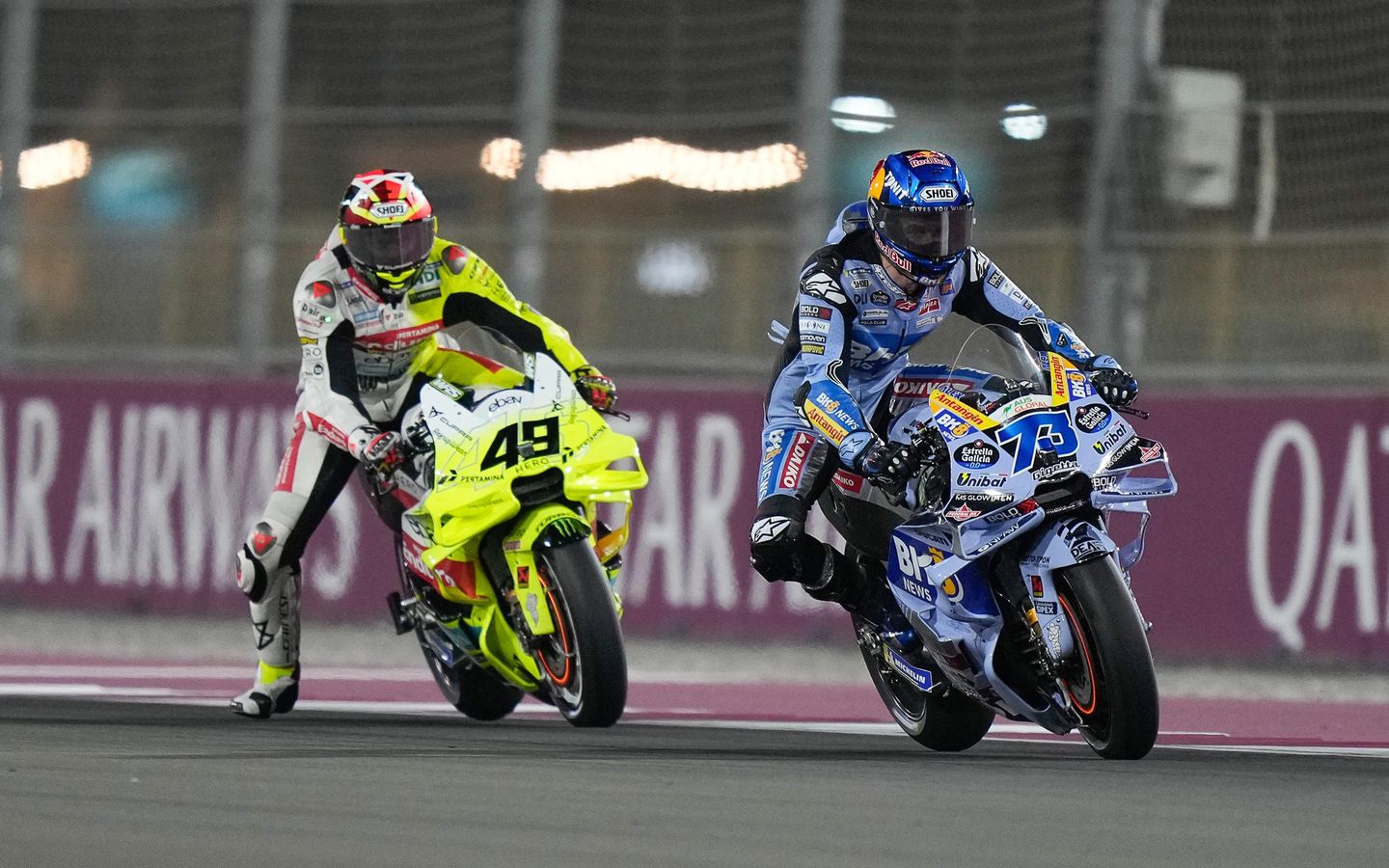
In the Motorsport.com interview on 19 September, Ezpeleta also hoped to announce the 2027 calendar soon, aiming to do so before the Asian leg began with the Japanese round in early October. That was an expectation about the publication of next year’s calendar. His comments on this year’s Qatar event continued to refer to the existing November arrangements and the condition that there be no major change in the situation.
INKA SPORTS Analysis: Why the intention to race remains conditional
The March changes settled where Qatar would sit on the calendar. September’s comments added the local willingness to host the event and the organiser’s intention to proceed. Together, they support preparation for the existing dates, but cannot remove the possibility that conditions themselves may change. The earlier linked changes to three rounds also show that any reassessment requires coordination among several organisers. Dates, willingness to host and the conditions for actually staging the event each play different roles.
Under the announced race dates, Qatar and Portugal are two weeks apart, with Valencia one week after Portugal. That is the specific arrangement for the end of the season. Assessing whether subsequent news genuinely changes the plan requires checking for a formal postponement or cancellation decision and verifying the dates of all three rounds alongside notices from the relevant organisers. This distinguishes a statement maintaining the current intention from an actual change requiring the closing sequence to be rearranged.
Conclusion
Ezpeleta currently maintains the plan to go to Qatar in November, while explicitly retaining the condition that a major change in the situation would prompt reassessment. The announced Lusail weekend of 6–8 November, together with the Portuguese race on the 22nd and Valencia on the 29th, provides a common basis for preparation. Whether subsequent official notices continue to support those arrangements is the next development to watch in this calendar story.