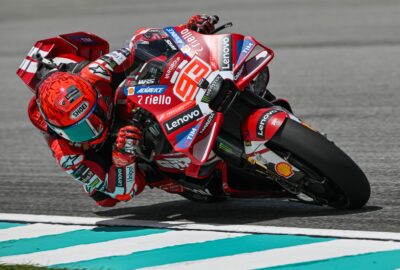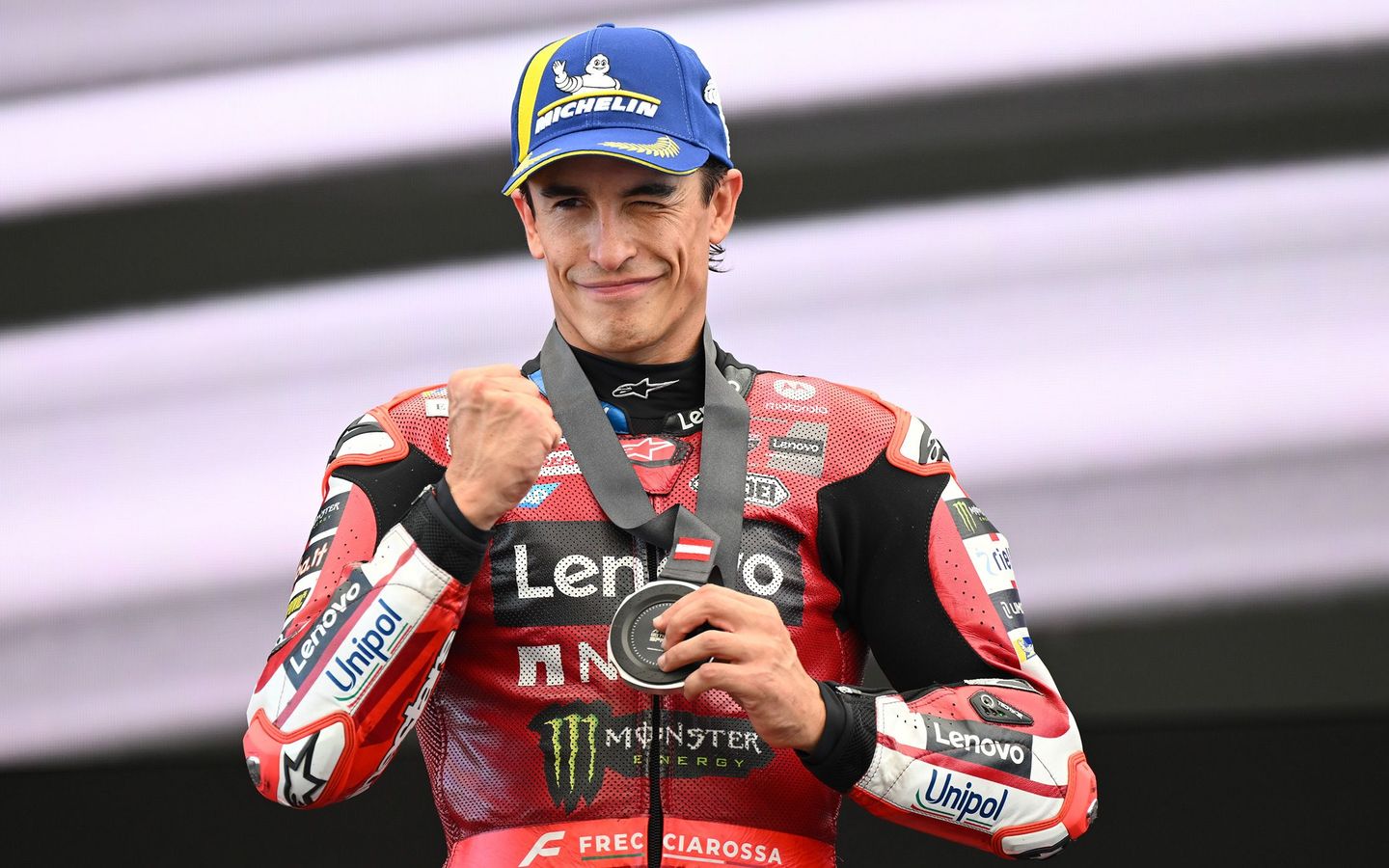
According to Motorsport.com’s report on 19 September, Marc Marquez pointed to Michelin’s special rear-tyre carcass for the Red Bull Ring as the source of his pace difficulties that weekend after finishing second in the Austrian Grand Prix Sprint. He said the construction was the same for every rider and the tyre was working properly; Ducati needed to understand how to use it better. Second place brought points, but he still considered Pedro Acosta and Jorge Martin faster.
Marquez based that assessment on the lack of major recent changes to the bike. He and the other Ducati riders had previously been fast, yet had struggled more than usual from the first practice session at this circuit. He also mentioned similar difficulties with a different carcass at the Thai round. This was his explanation based on riding sensations and recent performance, and a direction for the team to investigate further.
The difference between a reinforced carcass and soft or medium compounds
Michelin’s pre-event announcement on 16 September explained the rear tyre’s purpose. Heavy braking, repeated acceleration and relatively low mechanical grip at the Red Bull Ring create considerable sliding and rear-tyre stress, so the internal carcass was reinforced to control temperature. Both soft and medium rear compounds used a reinforced carcass and reinforced right shoulder. The internal construction was the same as at that year’s Brazilian round, while the right-shoulder design reflected the circuit’s predominance of right-hand corners.
MotoGP’s tyre explainer on 8 September set out the distinction between carcass and compound. The carcass is the internal load-bearing structure, influencing how a tyre deforms under load, generates heat and behaves at the limit. The compound is the outer rubber in contact with the track. Marquez’s adaptation concern therefore referred to a specific structural feature.
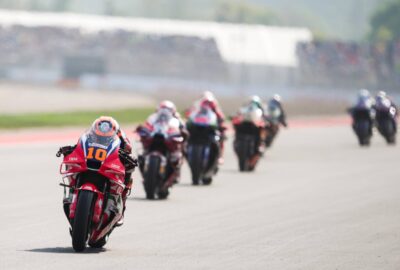
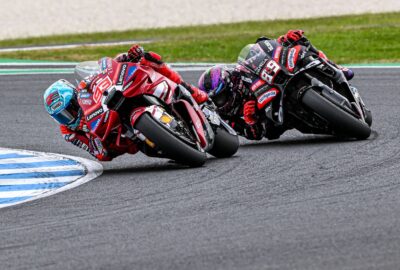
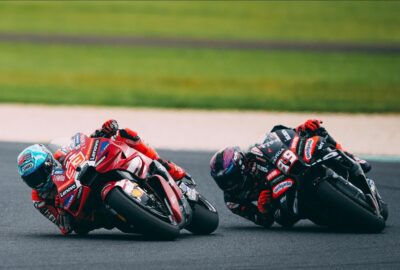
MotoGP’s Sprint report recorded Marc Marquez briefly leading on the opening lap before Acosta passed him. Martin recovered from eighth on lap one and moved into second on lap 8, dropping Marquez to third. Only after Acosta crashed with three laps remaining did Marquez regain second. The final podium order was Martin, Marc Marquez and Bezzecchi, with Martin retaking the championship lead by three points. The changes in position and the riders’ on-track pace need to be understood through that sequence.
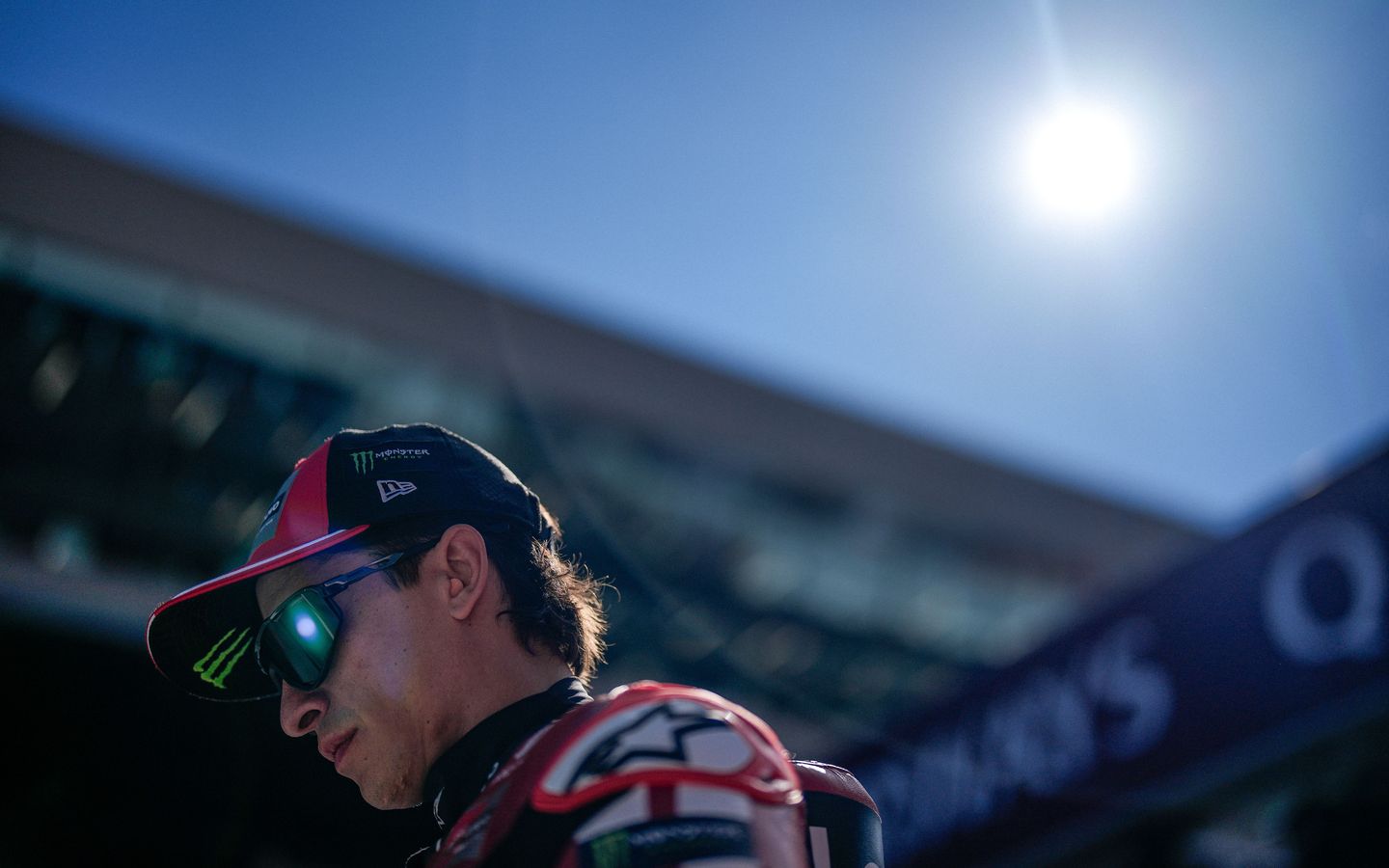
Ducati’s post-race announcement on 19 September added the riders’ thoughts on the next steps. Marc Marquez said finishing directly behind Martin, without another rider between them, had met the main objective. However, he still needed to improve in some areas of the circuit and manage tyre wear in the longer race the next day. Bagnaia, who finished sixth, explained that he had chosen the medium tyre to prepare for the Grand Prix. He struggled initially before his rhythm improved, and wanted to keep improving exit grip and traction.
INKA SPORTS Analysis: Why second place still left an adaptation problem
Michelin’s explanation of the tyre’s temperature-control purpose and Marquez’s call to improve how it was used can both be valid. Both soft and medium rear compounds have the reinforced carcass, so changing compound does not automatically remove the structural feature he identified. Ducati needs to find a better way to perform with the available tyres. Bagnaia’s comments on initial performance and exit traction offer specific areas to observe further.
Assessing improvement requires considering both race distance and how the race unfolds. Second place in the 14-lap Sprint included a position gained when a rider ahead retired. The planned 28-lap Grand Prix would also involve managing wear for longer. The next questions are whether Ducati can remain competitive at the start, improve corner exits and sustained lap-time consistency, and carry those gains through the second half. Comparing podiums or final positions alone cannot establish how far adaptation to the carcass has progressed.
Conclusion
Marc Marquez limited his points loss by finishing second in the Sprint while clearly identifying a rear-tyre construction issue to adapt to. Michelin’s pre-event explanation set out the reinforced carcass’s purpose, and Ducati’s post-race feedback focused the work on particular circuit sections, corner exits and tyre use over a longer distance. Whether the team can perform consistently with the same tyre specification is a more useful question before the Grand Prix than second place alone.