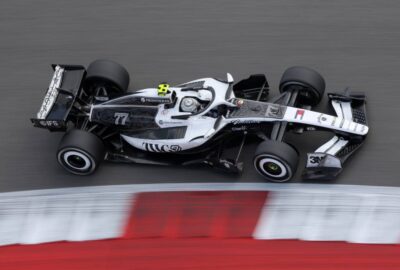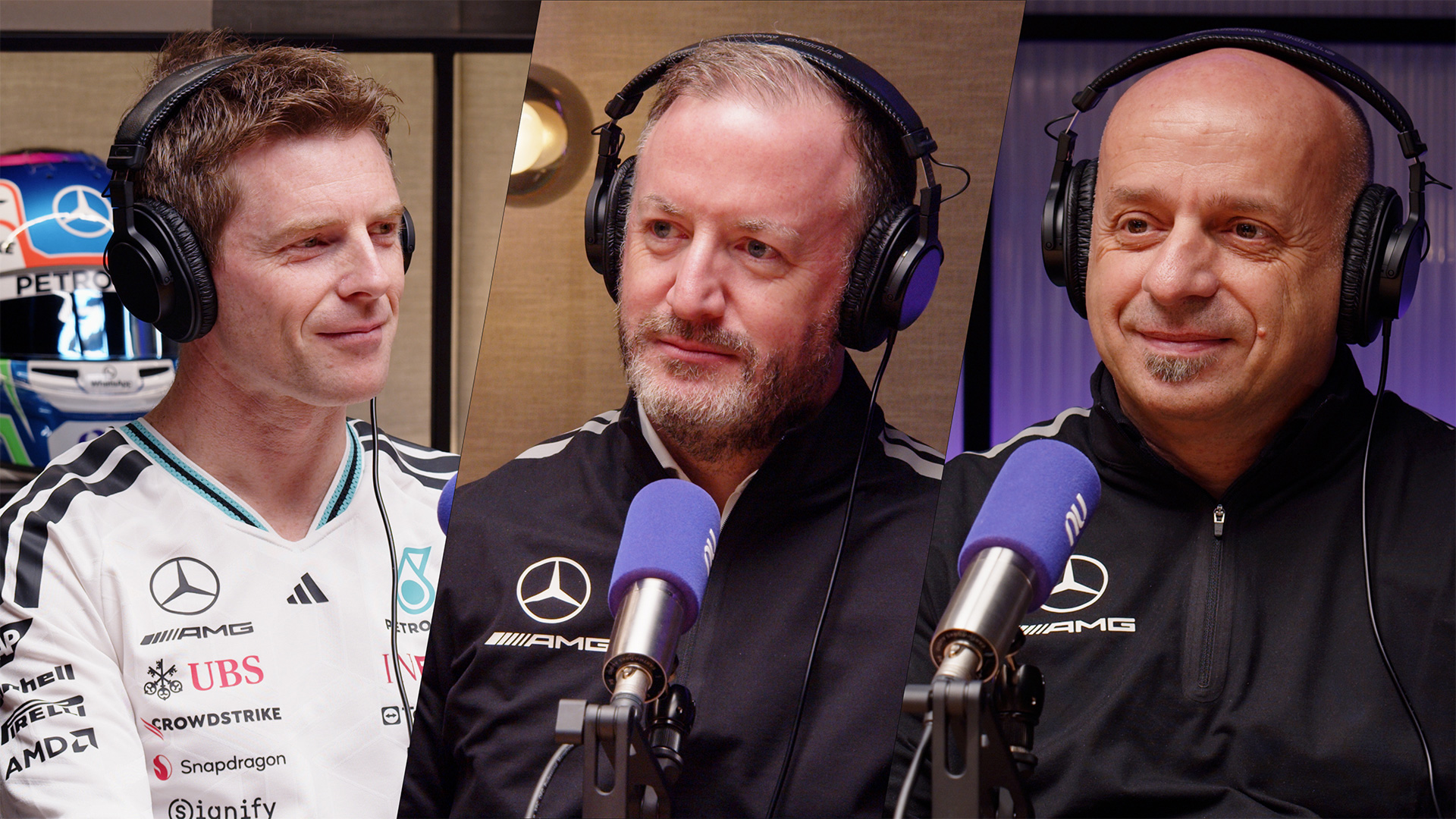
In Nu Silver Arrows episode ten, released October 16, Mercedes reviewed its Singapore comparison of old and new specifications. Deputy Team Principal Bradley Lord and Deputy Technical Director Simone Resta said understanding upgrade behavior quickly was constrained by the cost cap and available parts. Only one example of the new front wing tested by Antonelli in FP1 was available.
Running old and new specifications together
Motorsport.com's account quoted Lord saying Russell's return to the earlier specification used retained parts for an efficient real-track comparison. Some upgrade behavior at the Bahrain Grand Prix held at Sepang, Malaysia, had not fully matched wind-tunnel and simulator expectations and needed checking.
Resta said Sepang's surface, air temperature, changing weather and tire wear were distinctive, preventing one-to-one generalization elsewhere. Rather than wait for ideal testing, Mercedes compared immediately in Singapore. Russell volunteered for the work.
More downforce, but different distribution and balance
Resta said the team measured increased downforce, but its distribution was uneven and the front became stronger than expected. The issue was therefore both greater load and the correct operating window after altered front-rear balance.
Singapore's Sprint format compressed learning: limited practice and comparisons were quickly followed by Sprint and qualifying. Despite a long weekend, actual testing laps were few, another reason to accelerate data collection.
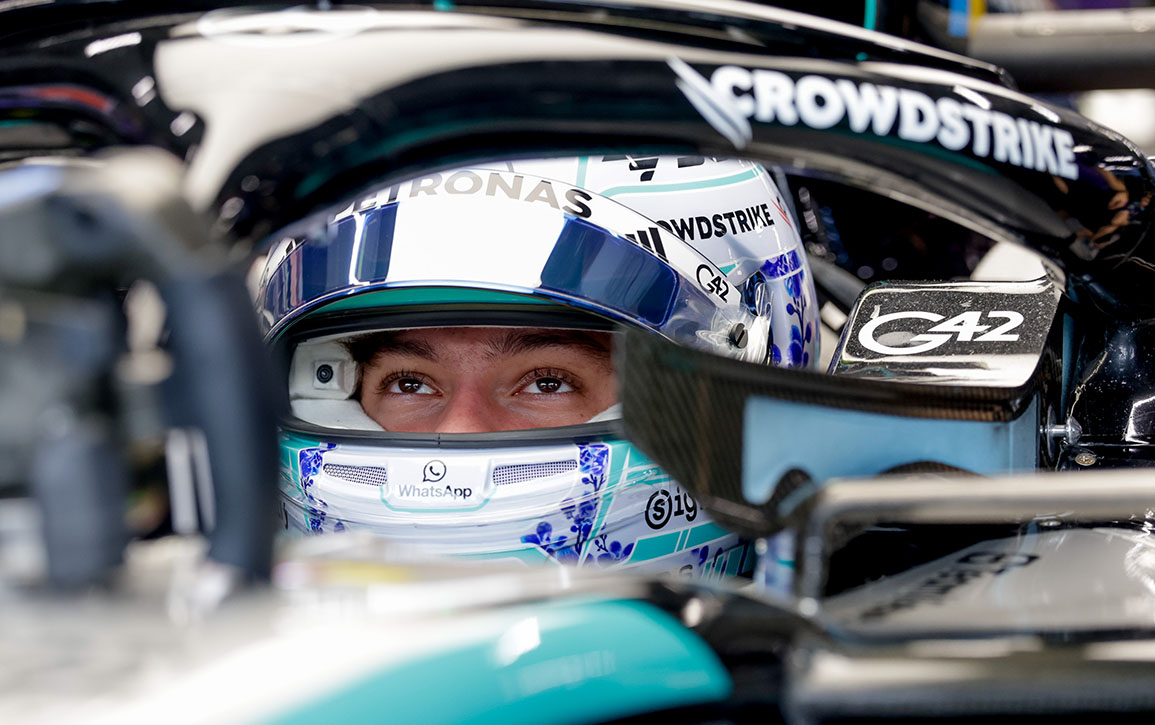
One new front wing: Separate test value from race risk
Antonelli tested the wing in FP1, then reverted. Resta said comparison data would be analyzed for the next race; completing Singapore's race with it was never planned.
Lord added that production had been accelerated to bring a single example. Damage in qualifying, Sprint or race without a matching spare could create a pit-lane start risk. He supported FP1 data collection without using it in later competition.
INKA SPORTS analysis: Testing readiness is not full-weekend race readiness
Russell's old specification provided existing reference parts to identify changed behavior. Restricting the new wing to FP1 collected data while keeping later parts risk acceptable. Old parts can retain testing value and new ones can stay out of races for lack of spares.
Downforce amount and distribution also differ. Resta said greater load was measured, but unexpected front strength required a new operating window. Total downforce alone does not explain continued driver adaptation or comparisons.
Conclusion
Different Singapore specifications and FP1 front-wing testing both aimed at comparative data for later races. Lord hoped both cars would reach Austin with the updated configuration and new front wing to exploit potential. That remains preparation and expectation, requiring later track performance.