Mercedes team principal Toto Wolff supports further discussion of F1’s power-unit catch-up mechanism and believes Honda still needs more help. According to Motorsport.com, his comments followed talks between Fernando Alonso and FIA President Mohammed Ben Sulayem about Aston Martin’s competitiveness. This is a team principal’s view on possible rule changes, rather than FIA approval for another round of additional Honda upgrades.
Wolff and Mekies both willing to discuss changes
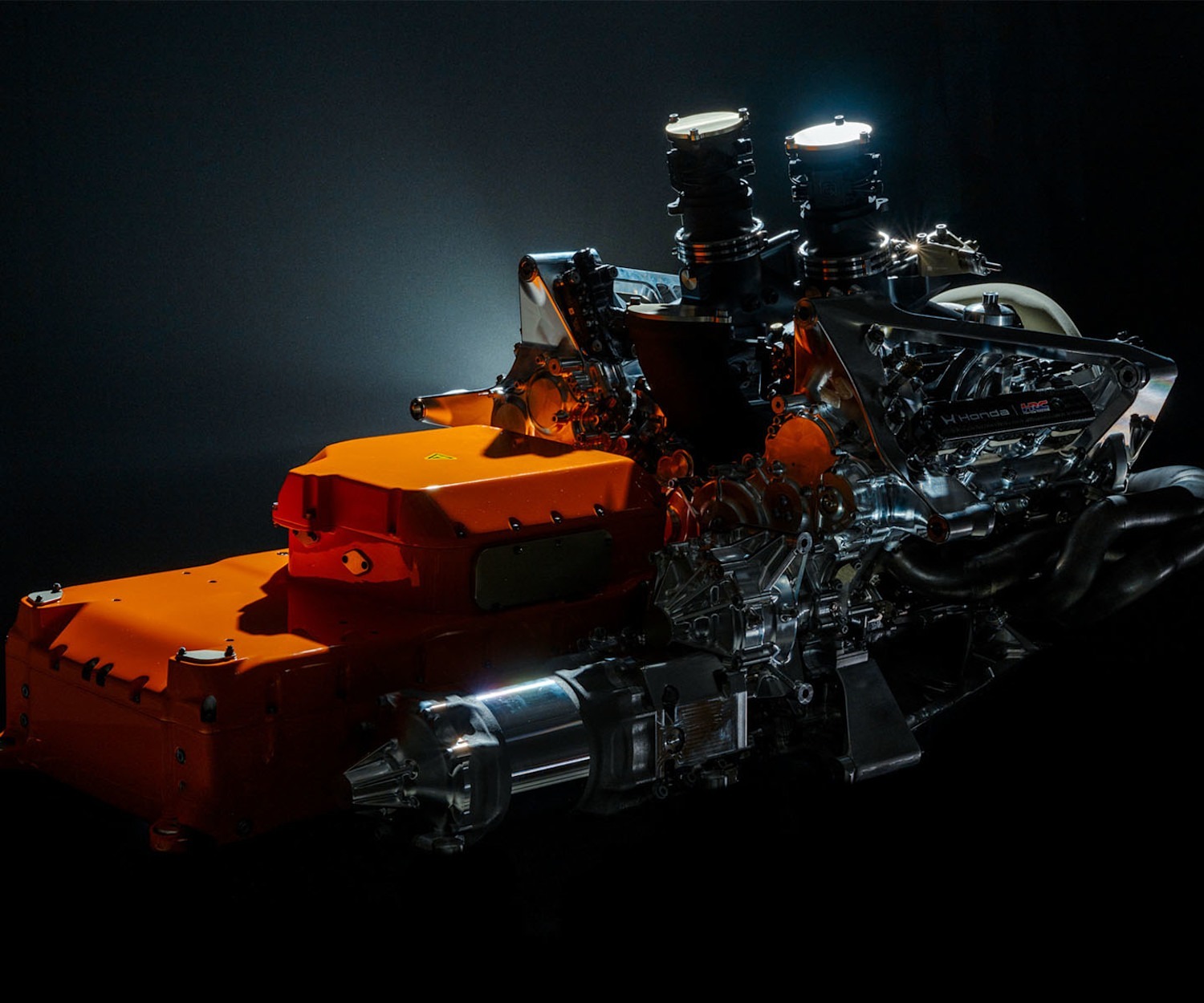
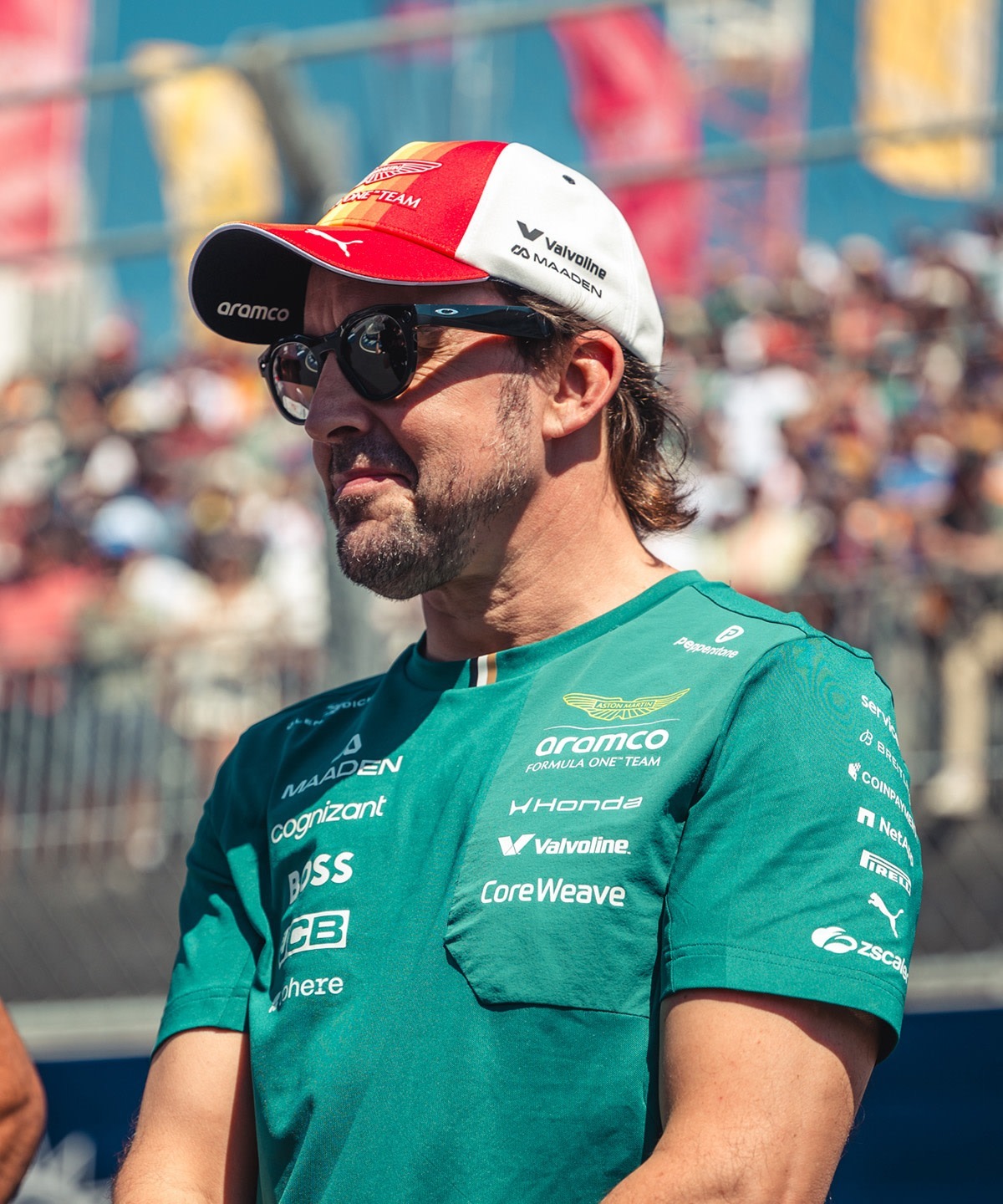
After returning to a fully committed F1 programme, Honda has encountered difficulties with power, weight and reliability in its 2026 power unit. Motorsport.com reported that its first improvements had limited effect, leaving Alonso and Lance Stroll struggling at the back. Wolff sees ADUO as a tool designed to help manufacturers that are behind catch up, and regards Alonso’s discussion with the FIA president as reasonable. Sometimes, he believes, the rules need to be reassessed to allow major manufacturers to become competitive.
Red Bull team principal Laurent Mekies also said he was willing to discuss the issue. He recalled that teams had already voted for an adjustment this year to help manufacturers further behind. Red Bull remains unhappy with the measurement results that left it without additional opportunities, but Mekies believes stakeholders should discuss shortcomings in the existing rules together. Both principals favour further consultation; any change to the thresholds or number of opportunities still depends on a formal decision.
How the current opportunities are allocated and measured
ADUO stands for Additional Development and Upgrade Opportunities. It gives power-unit manufacturers that meet the performance-deficit thresholds extra homologation and development scope. On August 26, the FIA announced that Mercedes’ internal-combustion-engine performance index was between 2% and 4% below the benchmark in the first assessment period, earning one additional homologation opportunity in each of 2026 and 2027. Audi, Ferrari and Honda were more than 4% behind and received two in each year. No manufacturer received new additional homologation opportunities in the second assessment period.
The FIA’s explanation of the rules in May states that the assessment uses data from cars in operation, including input-shaft torque, engine speed and electric-motor output, with weighting for the effect of power on lap time. It does not put every manufacturer’s engine on the same test bench for standardised testing. Fluid temperatures during running and external aerodynamic factors are not uniformly corrected either. The FIA has made clear that the specific performance indices are confidential and that detailed figures for each manufacturer will not be published.
INKA SPORTS analysis: Why a recipient of catch-up opportunities can still lead
The key is that different things are being assessed. ADUO measures the internal combustion engine, whereas the complete power unit also includes energy recovery and electrical output systems. The car’s eventual performance is additionally influenced by its bodywork, chassis and other factors. A team leading races therefore does not disprove that its combustion engine meets the threshold for additional opportunities. Mercedes receiving an allocation can coexist with outside perceptions that its overall power unit is strong. Published finishing positions alone cannot reconstruct the FIA’s confidential combustion-engine index.
Nor does the absence of new allocations in the second period prove that every manufacturer has caught up. The FIA explains that additional homologation opportunities for the same season do not accumulate repeatedly across assessment periods, while opportunities awarded for the following season have separate accumulation provisions. “No new opportunities” and “no remaining performance gap” are therefore different statements. Judging whether Honda’s first upgrades worked requires comparable performance before and after the changes and specific technical explanations. Receiving two opportunities alone cannot establish that its problems have been solved.
The mechanism provides the conditions for improvement; it does not directly make a slower engine faster. The FIA stresses that ADUO does not balance performance by temporarily changing fuel flow or ballast. Instead, it provides extra scope in homologation, cost-cap accounting and test-bench running. Manufacturers must still turn that scope into effective upgrades. Wolff’s view that Honda “still needs more help” therefore concerns whether the existing catch-up tools can deliver enough improvement. It does not mean that increasing the allocation would inevitably close the gap.
Conclusion
The central issue exposed by this discussion is the distance between development opportunities and actual progress in catching up. The current allocation confirms that Honda has received two additional homologation opportunities in each of the two years, but does not establish how much its competitiveness will improve. The next questions are whether the rules are formally changed and whether Honda’s upgrades produce improvements supported by specific evidence. Team principals supporting discussions, opportunities being approved and a car becoming faster must be assessed separately.