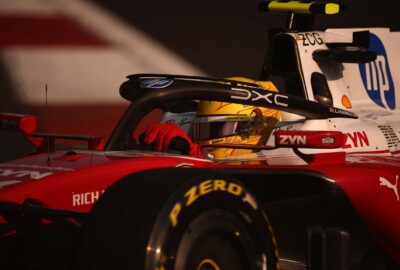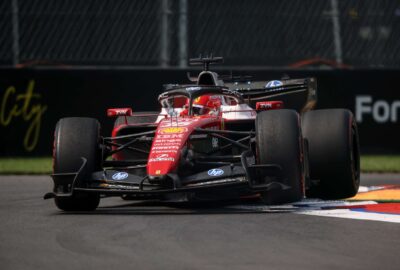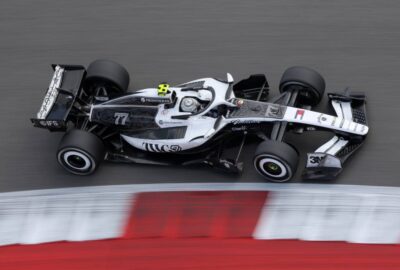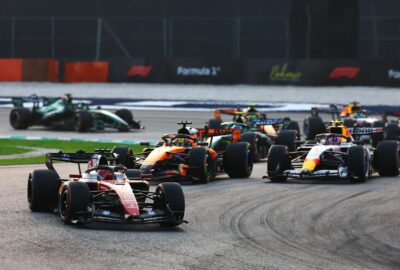
Mercedes have gradually shifted their development focus to the 2027 car while retaining upgrade plans for the current season. Team principal Toto Wolff confirmed that work on next year’s project began before the summer break and that the summer resource shift would continue as planned. Despite the team’s substantial points advantage, he still expects it to pursue the best possible performance at every round until the championship is mathematically secured.
The 2027 project follows an established timetable
According to a Motorsport.com report published on September 17, Wolff said after Antonelli’s Madrid victory that 2027 development had begun “before the summer”. He explained that the team redirected resources towards the following year over the summer and would continue to follow its plan, regardless of its position in the standings at the time. The development switch therefore follows a prearranged timeline, rather than a decision made only after one race win.
A 145-point lead still requires execution on race day
After Madrid, Mercedes had won 10 of the first 14 Grands Prix. The team’s official race report confirmed a 145-point constructors’ lead over Ferrari, with Antonelli and Russell first and second in the drivers’ standings. In the interview, Wolff nevertheless warned that two consecutive retirements or accidents could erode an apparently comfortable cushion. While rivals still have a chance of winning the title, the team must remain focused on each race weekend.
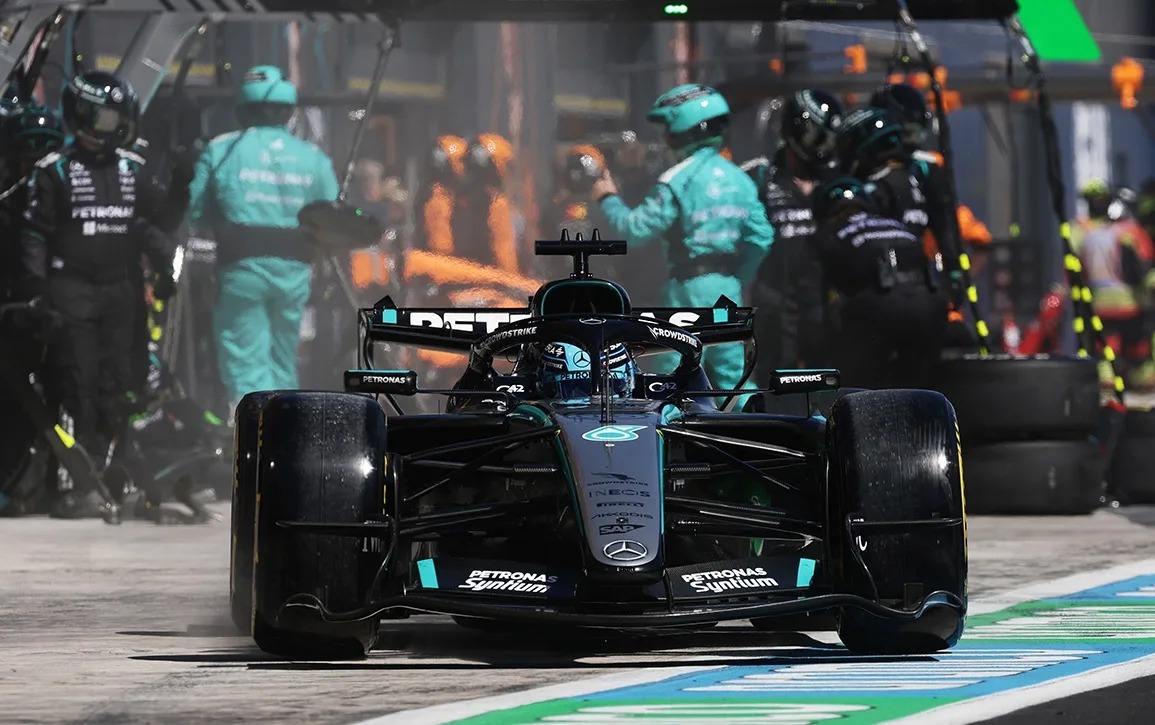
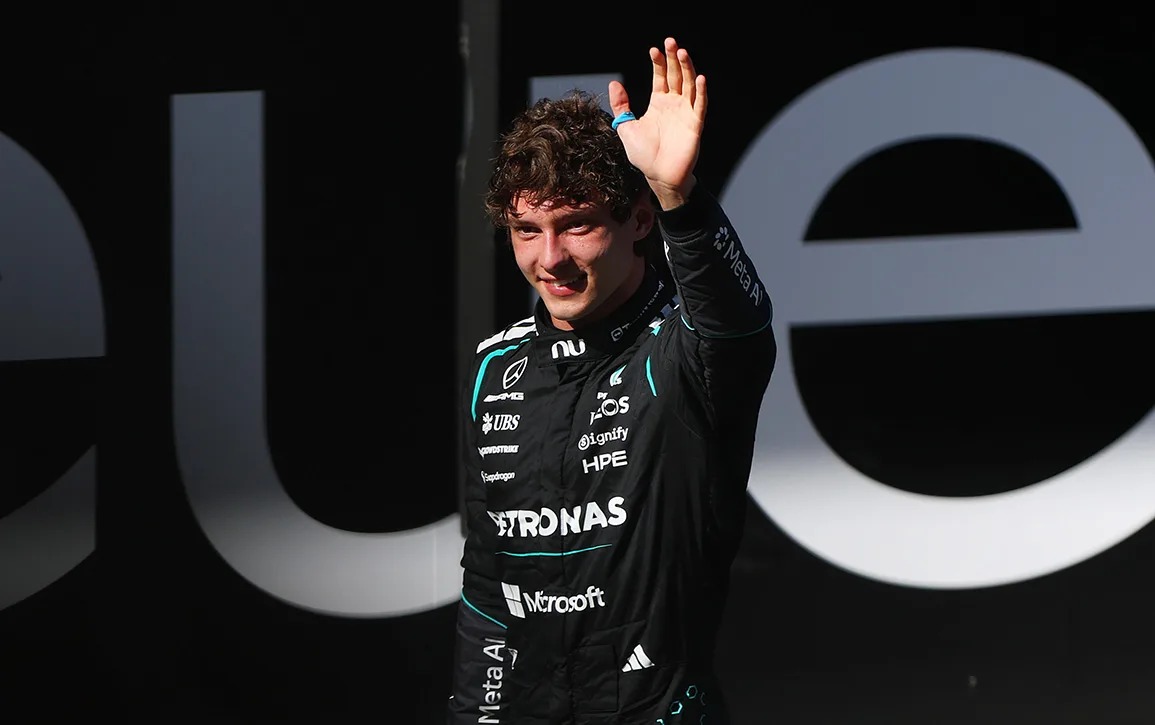
The Spanish round demonstrated the practical value of execution on track. Mercedes’ account said Antonelli used the Virtual Safety Car period on lap 14, when speeds were restricted across the circuit, to pit for hard tyres at a reduced time cost. That gave him a strategic advantage in his contest with Norris and he went on to win, while Russell finished fifth. Antonelli acknowledged that the timing had helped and that Norris had controlled the race beforehand. Engineering chief Shovlin also praised the timely response by the driver and pit crew in completing the stop.
Circuit-specific changes and further upgrades remain on the agenda
In the official race report, Wolff noted that Mercedes had not introduced a major upgrade package since Canada. There had still been specific changes in the intervening period. The F1 website’s September 11 list of Madrid updates included shortening the span of the central rear-wing winglet and adding a winglet behind the exhaust to suit the circuit’s downforce and drag requirements. The front lip was also reshaped to improve airflow attachment under different steering conditions; that change was not exclusive to Madrid.
Meanwhile, in a Sky Sports interview quoted by Motorsport.com, Wolff said the team planned to bring an upgrade to Malaysia after first tackling Baku. He also acknowledged that new parts sometimes perform differently on track from what is expected. He hoped this package would deliver and bring the team closer to its rivals’ upgrade progress. These remained plans and expectations ahead of its introduction; the specific gains could only be assessed once the parts were on the car.
INKA SPORTS analysis: How the points cushion supports two programmes
The Madrid win shows that the existing car, combined with timely decisions, can still turn opportunities into victory points. The result also benefited from the Virtual Safety Car timing and hard-tyre durability, so winning alone cannot measure Mercedes’ full pace margin over its rivals. The 145-point advantage gives the team room to continue its established 2027 plan. Wolff’s insistence on executing at every round protects that cushion, rather than basing future development arrangements on premature celebrations.
The published parts plan makes the connection between the two programmes clearer. Madrid-specific adaptations and local changes support immediate preparations, while the next upgrade package is intended to deliver a further performance step. Wolff’s caution over whether track performance will match expectations identifies the real test of that package. Assessing whether the arrangement can continue to work requires looking at upgrade delivery, rivals’ relative competitiveness and the points cushion together, rather than simply counting new parts or considering the result of one race.
Conclusion
Mercedes are currently keeping both tasks in place: progressing 2027 development as planned and continuing their work at the track in 2026. A 145-point lead provides room to shift the focus, while Madrid’s pit-stop execution shows that current points still have to be earned in races. Whether later upgrades meet expectations and the cushion survives the remaining rounds will determine how smoothly that early planning continues. Starting next year’s project is not, by itself, proof of future competitiveness.