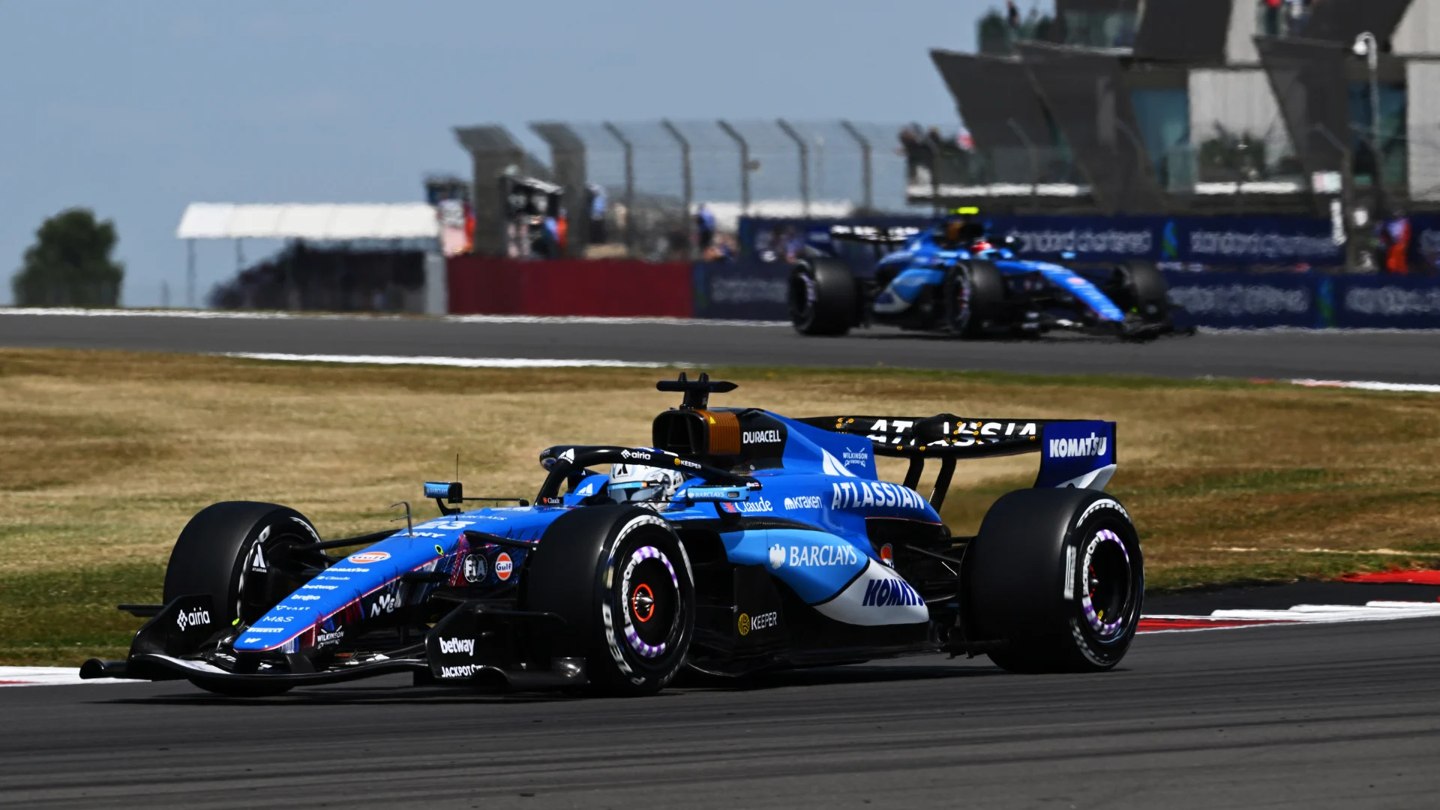
Williams will bring a substantial upgrade to the Azerbaijan Grand Prix, but team principal James Vowles does not believe it will be enough to deliver regular points. A Motorsport.com report published on September 18 drew on his interview with The Fast And The Curious podcast: further progress will come this season, but the team remains short of his minimum expectation of fighting for points on race weekends.
Winter problems persist, with just 11 points scored
Vowles said some mistakes in winter development would continue to affect the remaining races, while the team works to improve its position with next year’s car. According to the figures in that report at the time, Williams had scored 11 points in the first 14 rounds and sat ninth in the constructors’ standings, ahead only of Aston Martin and Cadillac. He believes the team can move forward in 2027, but still expects a difficult process.
June’s plan remains, but September’s competitive benchmark has moved
The Baku upgrade originally carried more optimistic expectations. In an interview published on the F1 website on June 26, Vowles anticipated a small step at the British round, followed by further updates and a bigger change in Baku. At the time, he believed the team’s planned development rate offered a chance to move ahead of Racing Bulls and Audi.
By September 18, an upgrade preview on the F1 website described a different competitive picture. Albon said midfield teams had typically brought one or two upgrades over a season in previous years, whereas this year they were delivering three or four, with large gains. He felt that, at the old development pace, the Baku package could have brought Williams back into contention, but rivals had developed so quickly this year that the team had fallen behind.
The preview also noted that Williams had scored points on five occasions early in the season, with Albon’s eighth place in an attrition-heavy Monaco race its best result, but had not scored since. It linked that change to improved reliability across the field, continued upgrades by rivals and Williams’ own limited progress. The anticipated gains would therefore be measured against a benchmark that had already risen.
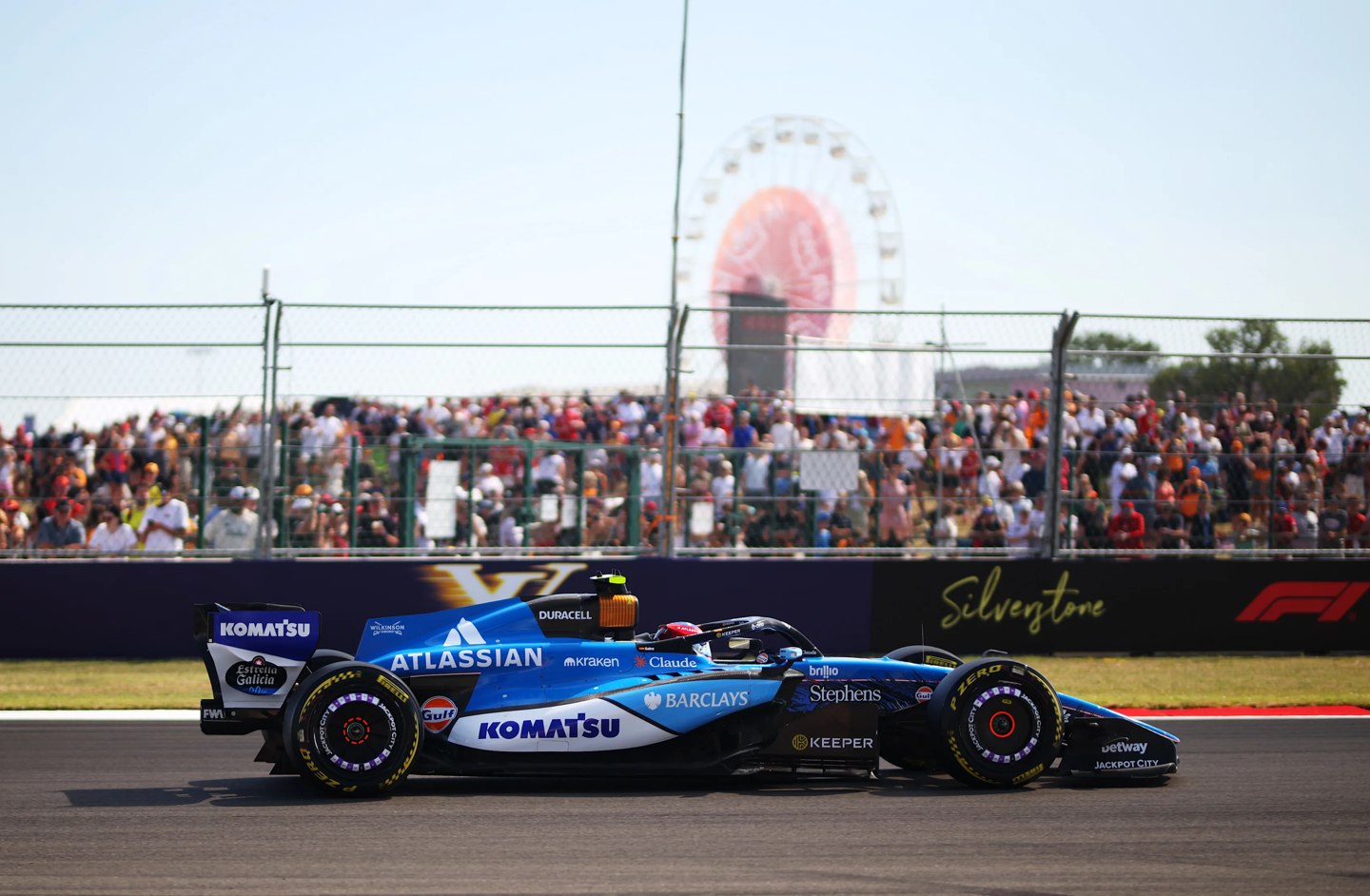
New parts must also be checked against development predictions
In the same F1 preview, Sainz felt the upgrade would bring the team closer to opportunities to score, while still leaving it well short of its objectives for the season. F1’s analysis raised a further test: whether the new package would deliver the gains calculated months earlier. That could provide feedback on the design direction and development process even if it did not immediately put the car into the third qualifying segment, where the top ten positions are contested.
INKA SPORTS analysis: Getting faster and returning to the points are different tests
Meeting the parts’ own targets and bringing the car back into the points measure two different things. The former compares actual performance before and after the upgrade with development predictions; the latter also requires comparison with rivals over the same period. Albon’s description of more frequent and larger updates explains why a package that once looked sufficient might no longer be enough when fitted: Williams are improving, but rivals are also raising the pace they need to match.
The team’s early points also show why a single race score is not enough evidence. Eighth place in Monaco came at a round with several retirements. As reliability across the field improves, opportunities to gain places through cars ahead dropping out become less frequent. If Williams score again in Baku, it will therefore matter how competitive both cars are in normal running, whether the result depends on rivals retiring, and whether they can remain in the points fight at subsequent rounds. One result can demonstrate that an opportunity was taken without proving a consistent points-scoring level has been reached.
Another useful comparison is between the upgrade’s performance and the design predictions. Under comparable testing conditions, if the parts deliver their expected gains but both cars remain well behind the midfield, the team must assess whether that improvement is sufficient to catch its rivals. If the actual gains fall short of predictions, it must also examine the gap between development results and performance on track. The interviews do not yet supply those test results. These two possibilities cannot be collapsed into a premature conclusion that the upgrade is ineffective, nor can a single practice classification distinguish between them.
Conclusion
Vowles’ caution does not deny that the Baku update could help. It separates the gains from new parts from the ability to score consistently. June’s plan still has to deliver, while September’s opposition has raised the standard. The upgrade’s value will depend both on whether predictions translate to the track and whether the relative gap closes. Confidence in 2027 is likewise the team’s expectation, not something this update can guarantee.