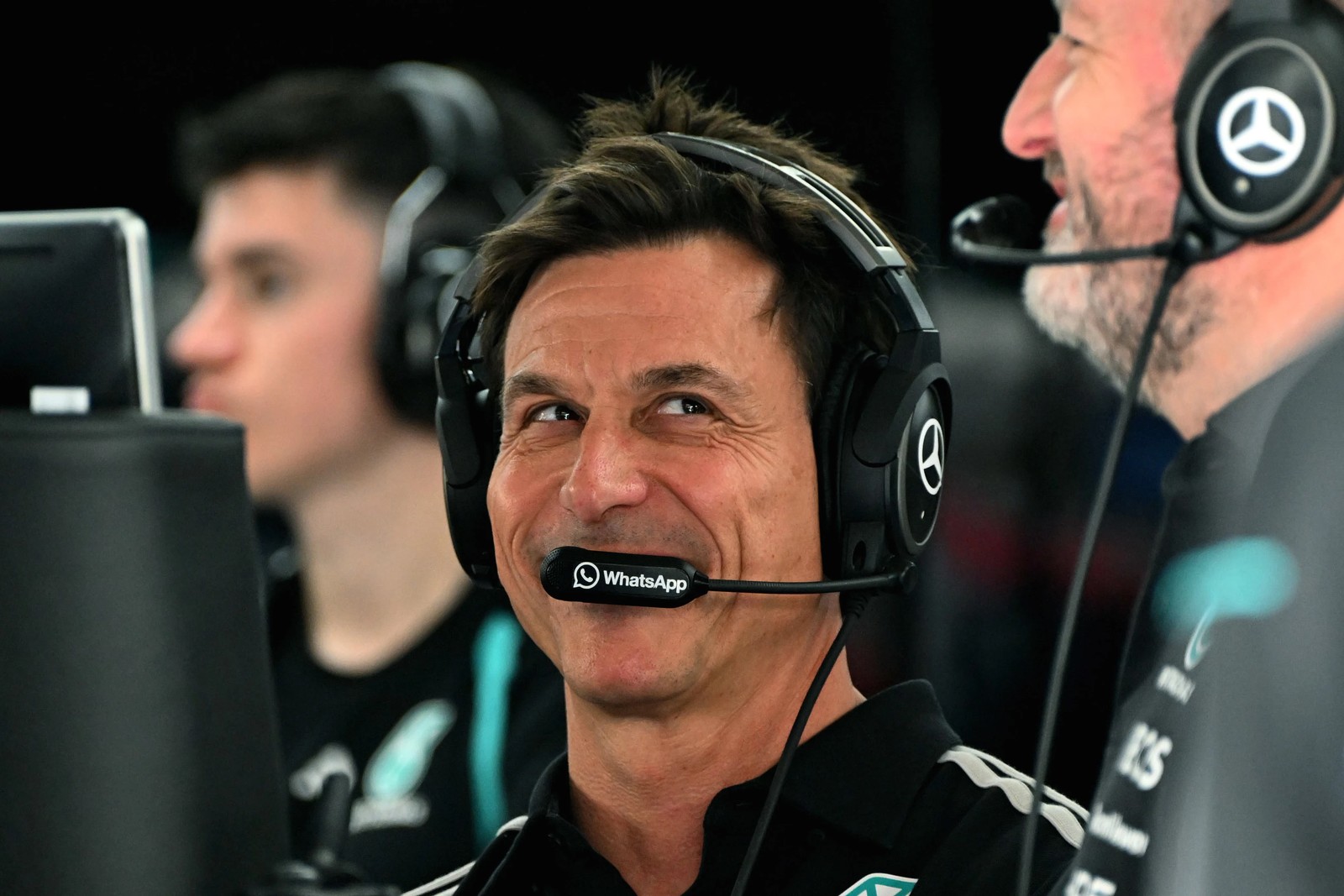
After qualifying for the 2026 F1 United States Grand Prix, Mercedes celebrated Antonelli's pole while still asking why its upgrades were so difficult to exploit consistently. Antonelli was fastest in 1:34.035, while Russell's 1:34.476 left him sixth, 0.441 seconds behind. Speaking to F1 TV, Toto Wolff admitted he had thought Russell's performance was closer to what the car could achieve, only for Antonelli to produce a lap beyond expectations.
Pole position does not remove the questions about the upgrade
Wolff said the upgrade introduced two rounds earlier had not worked as initially expected, and he remained less than fully satisfied with the current setup and its effect. Before qualifying, he had suggested an approximate third-to-fifth-place range to a guest. Pole therefore showed him that the car did have speed, while making it more important to understand where that speed came from.
The team's post-session statement offered a more specific clue. Wolff said the upgraded car had a narrower operating window: its performance was strong only when the various conditions aligned. Trackside Engineering Director Andrew Shovlin also said consistent balance remained difficult to find. Following substantial overnight changes based on simulator work, both drivers felt the car had improved, but the final sector remained challenging.
Russell: A slide at Turn 12 has consequences further around the lap
Russell first pointed to failing to execute either of his two Q3 laps properly. He said the opening sector felt good, but he struggled in slow corners, with a slide at Turn 12 then affecting the third sector. He did not even beat his own Q2 time in Q3. He felt a top-three place had been possible, though pole was not within his realistic expectations.
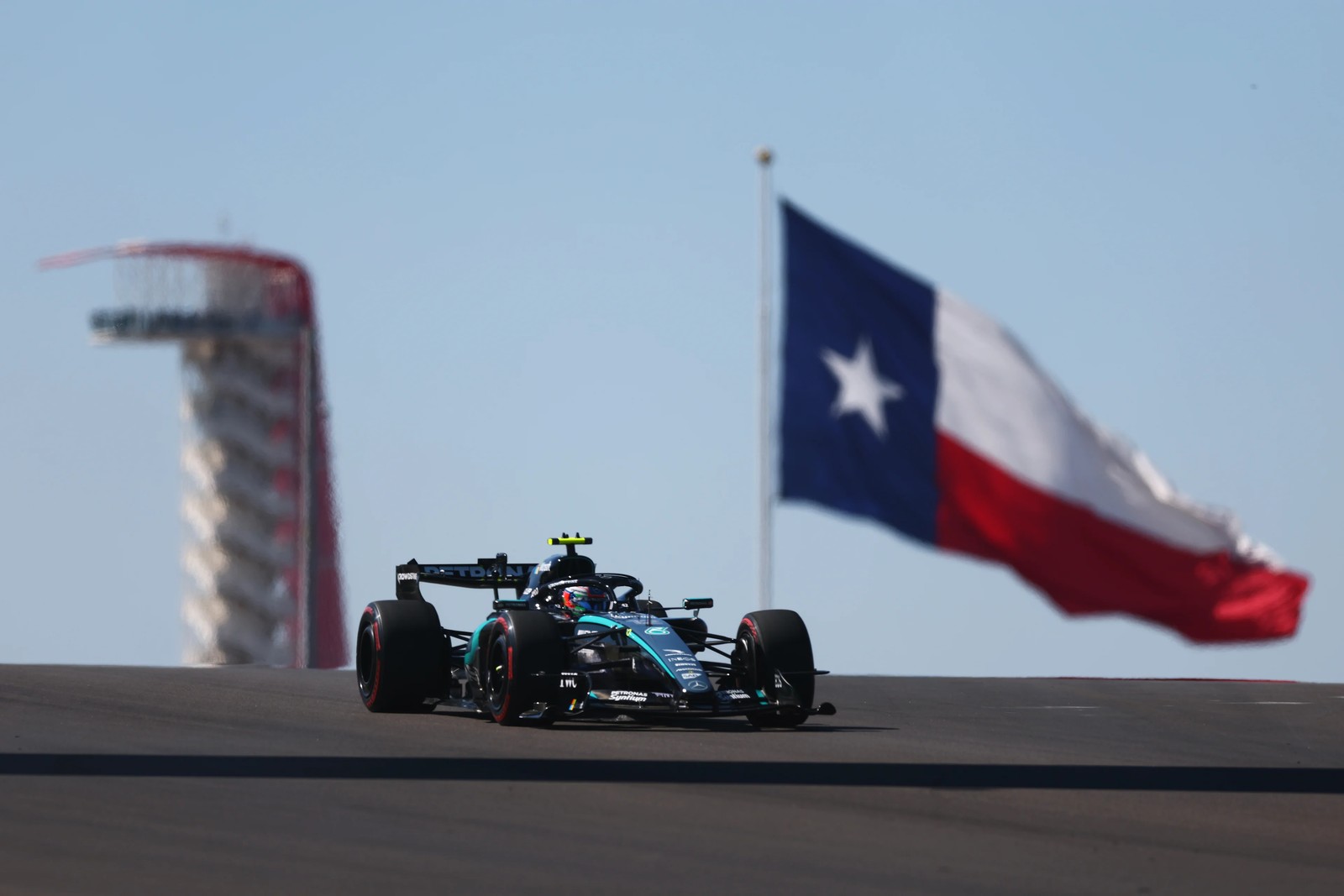
He also mentioned the effect of changes in cloud cover and sunshine. In his experience, a few degrees of higher track temperature could change tire behavior in the final section. His description was of a good feeling in the first sector failing to carry through to the last, with losses through successive corners becoming harder to recover after one slide.
INKA SPORTS analysis: Peak performance has appeared; repeating it is the challenge
What qualifying establishes is that Mercedes could produce a pole lap in that day's conditions. The narrow window repeatedly mentioned by Wolff and Shovlin indicates that the team has yet to make that capability readily repeatable. Antonelli putting a lap together and both cars consistently delivering the same level are different tests.
The 0.441-second internal gap also cannot directly calculate the upgrade's benefit. It combines driver execution, setup and the conditions of that lap; Russell himself acknowledged that neither attempt had been ideal. The more useful comparison is Antonelli navigating the key corners cleanly, Russell losing rhythm later in the lap and the engineers admitting that balance remained difficult to stabilize. Together, they explain why pole and uncertainty could coexist.
Conclusion
Mercedes' Austin pole realized the car's performance, but does not establish that every upgrade problem is solved. The race will test its consistency over a longer distance. Wolff also felt Ferrari and Verstappen might have stronger race pace, so a race advantage cannot simply be inferred from that single fastest lap. The complete qualifying results are available in the United States Grand Prix qualifying report.