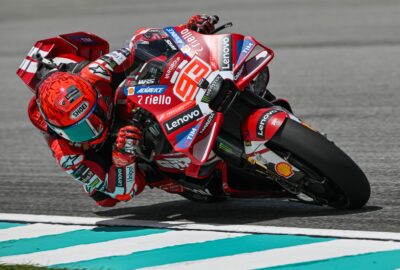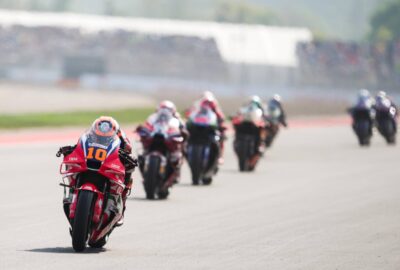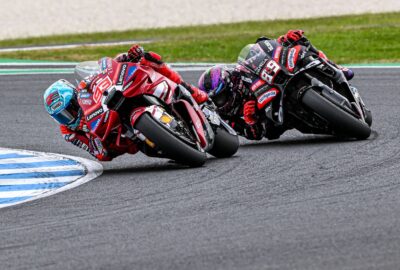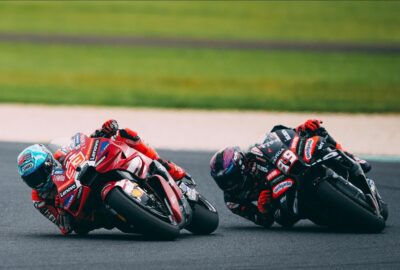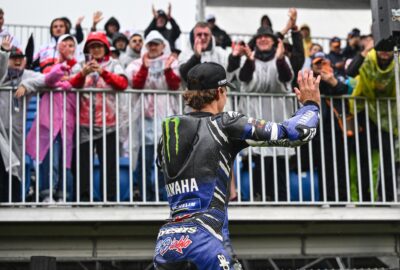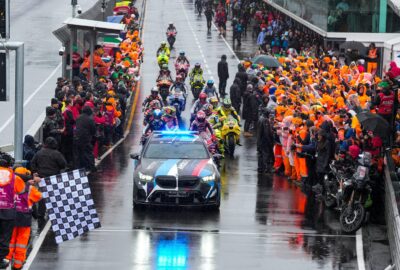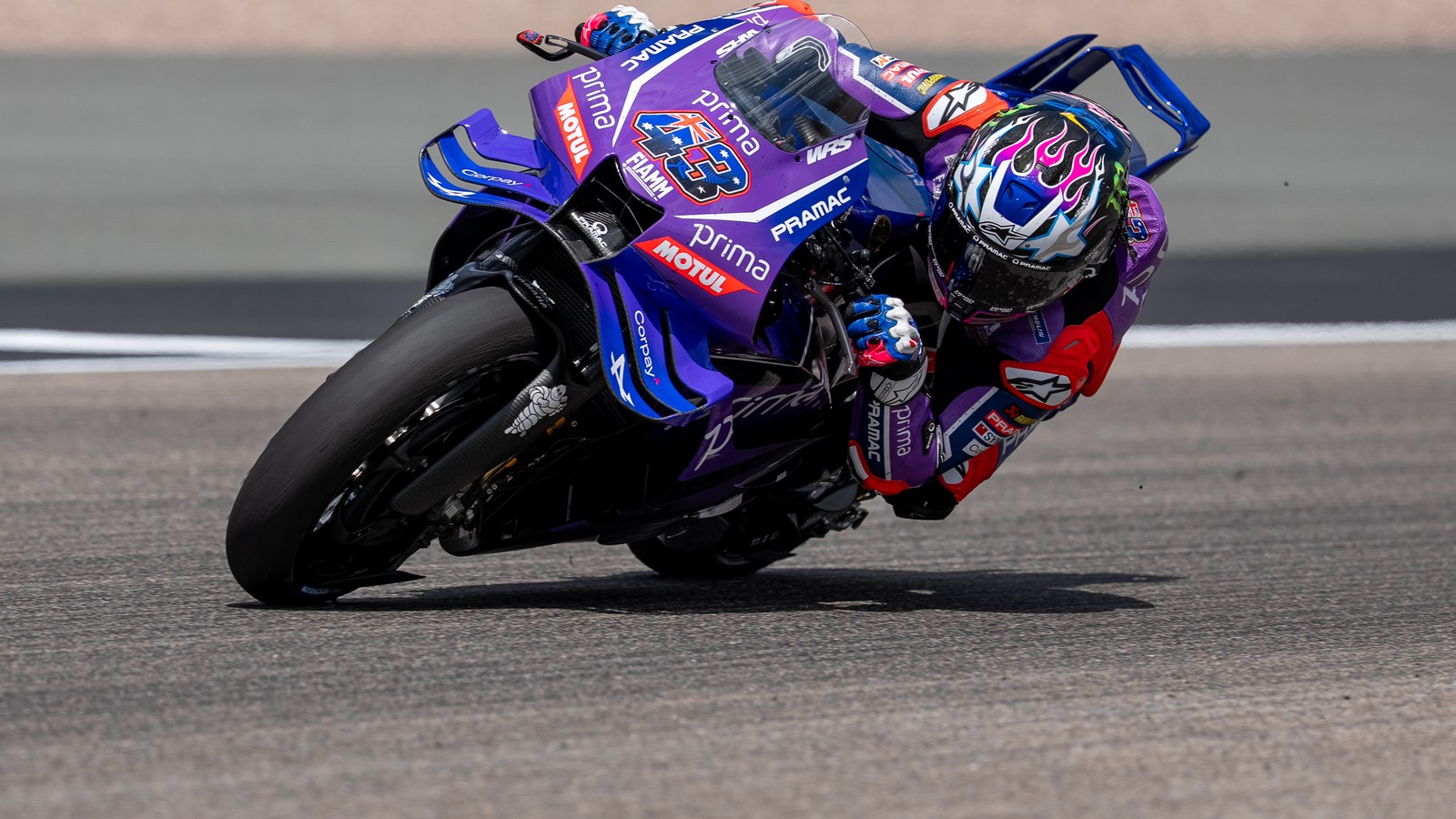
Jack Miller finished 21st in the MotoGP Austrian Grand Prix, with his final lap slowing to 1:40.225. Official results put him 67.530s behind winner Pedro Acosta and 20.806s behind team-mate Toprak Razgatlioglu. Miller told Motorsport.com afterwards that the centre of his rear tyre had worn down to the base rubber and that he could no longer accelerate at full throttle even on the straights.
From switching power modes to wear in the tyre’s centre
Miller recalled changing to the second power-control map on lap 3. Around laps 13–14, he could already feel pronounced wheelspin on the straights in third and fourth gears, prompting a switch to the reserve third map. He could stay behind his team-mate until around 7 laps from the finish, but the wear in the rear tyre’s centre then worsened and required greater caution on corner entry.
The report noted that Michelin used a special, stiffer rear-tyre carcass for this race. Miller said he had experienced similar wear in the centre when using the same type of construction in Thailand this year. He tried picking the bike up earlier to manage the tyre, only to find that sliding became more pronounced when the contact patch moved to the centre of the tread.
Miller also linked the difficulty to the bike’s electronics and weight transfer. He felt power delivery was insufficiently smooth and that abrupt inputs could disturb the tyre. Once sustained wheelspin began, his lap times progressively deteriorated. In his experience at the controls, using the power smoothly was therefore a more immediate issue that weekend than simply adding power.
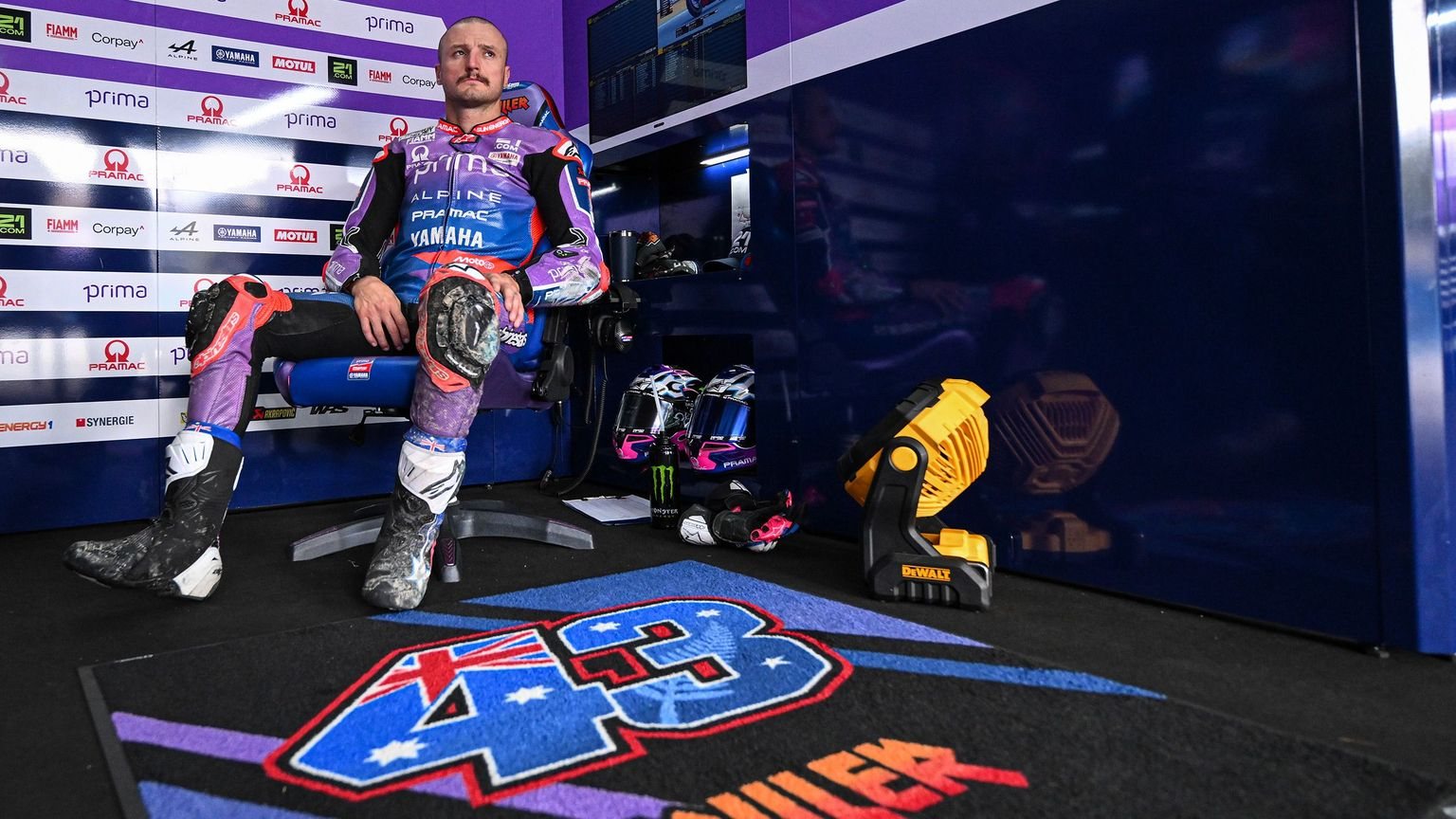
Timing comparison: most of the team-mate gap opened in the final five laps
Official lap-by-lap data show the late change more clearly. On lap 21, Miller recorded 1:32.676 against his team-mate’s 1:32.664. Miller slowed to 1:34.521 on lap 24, 1:36.987 on lap 26 and 1:40.225 on the final lap, while his team-mate remained in the 1m 33s range over the final five laps. Across laps 24–28, Miller took a combined 19.025s longer. The gap of only 1.781s at the end of lap 23 grew to 20.806s at the finish.
Despite the substantial loss of speed, Miller said he did not consider returning to the garage to retire. His reasoning was that the race was not over and events such as a red flag could still occur. Remaining in the contest fitted his approach better than withdrawing early. He completed all 28 laps and brought the bike across the line.
INKA SPORTS analysis: a growing late deficit exposes difficulty sustaining drive
His team-mate’s times on the same laps show that the gap widened most rapidly in the final five laps; Miller had maintained a similar rhythm before that. Combined with his descriptions of straight-line wheelspin, map changes and central tread wear, the key issue was sustaining effective power delivery late in the race. Official records show both bikes used medium compounds front and rear, but that does not establish identical settings or wear. Timing identifies when the speed loss appeared, while the rider’s feedback points towards examining the interaction of power delivery and tyres.
Summary
Behind the 21st-place result, the clearest change came late in the race, and the reserve power map did not stop Miller losing further speed. He completed the full distance to end a difficult weekend. Lap data locate the principal loss in the closing stages; the next assessment should examine the conditions that made tyre management and power delivery ineffective at that point.