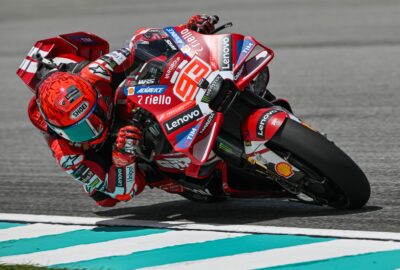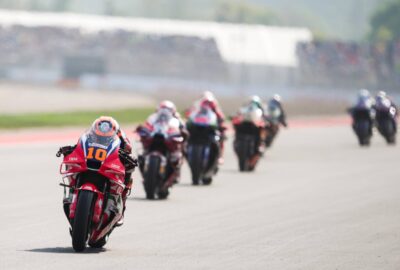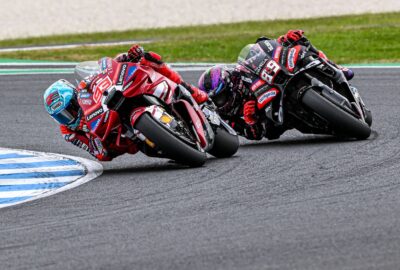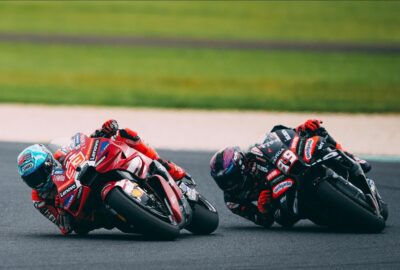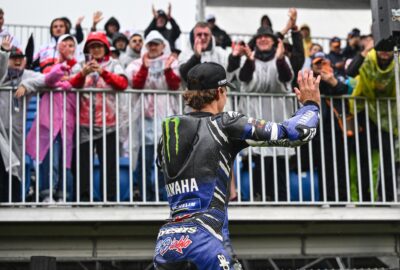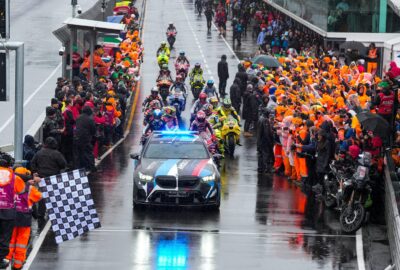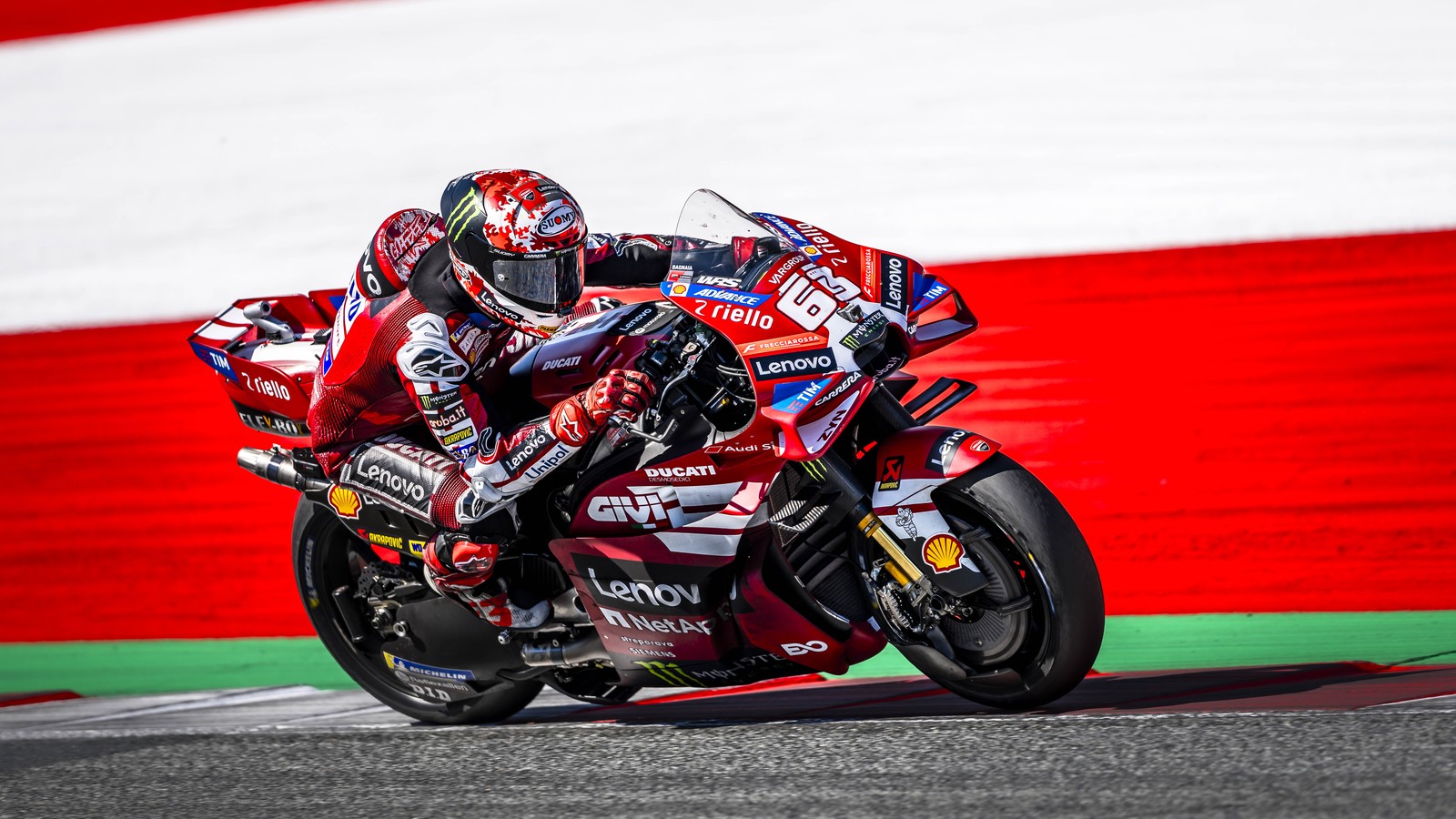
Francesco Bagnaia recovered some form at the MotoGP Austrian Grand Prix, crediting Dani Pedrosa’s advice to complete more laps and deepen his understanding of the bike. After missing direct Q2 entry on Friday, he progressed through Q1 on Saturday and qualified seventh, then finished sixth in the Sprint and seventh in the Grand Prix. It was a return to points, but Sunday’s grip and braking difficulties showed that Saturday’s progress had not carried over completely.
According to Motorsport.com, Bagnaia said after Saturday’s race that he had adopted advice Pedrosa previously offered on DAZN: complete more laps, understand the bike better and thereby take greater control of the result. Pedrosa, a MotoGP race winner and current KTM test rider, had offered advice Bagnaia found useful. Bagnaia treated the Sprint as an opportunity to prepare for Sunday.
Using a medium tyre to make the Sprint part of race preparation
Bagnaia chose a medium tyre for the Sprint rather than simply pursuing the soft’s short-distance speed. In Ducati’s Saturday report, he explained that the choice was intended to prepare for the Grand Prix and understand tyre-wear management. Despite a difficult start, his subsequent rhythm was not bad. He also said in interviews that Saturday morning’s setup work helped him stop the bike and use the rear to turn. His sense of grip improved even with damp patches on the circuit. He described the change only as trying existing approaches in a different way, without disclosing a specific technical solution.
Official timing put him second in Q1 with 1:28.753, 0.118s ahead of third-placed Raul Fernandez. In Q2, he qualified seventh with 1:28.527, 0.610s from pole. In the 14-lap Sprint, he finished 5.142s behind the winner and earned 4 points. His failure to enter Q2 directly over several preceding weekends referred to missing the Friday practice cut. Progressing through Q1 in Austria was the crucial step in this qualifying sequence.

Sunday’s difficulties appeared early
In the 28-lap Grand Prix, Bagnaia earned 9 points for seventh, 9.686s behind the winner. Ducati’s post-race report recorded more specific difficulties. He felt conditions differed from Saturday, with inadequate traction and reduced grip. After five laps, he deliberately slowed his pace by around half a second to manage the race better, and slight braking problems began around lap 6. He said controlling his pace allowed him to close again on Aldeguer and Binder late on and finish with an improving performance. Those impressions came from the rider; they do not establish a mechanical fault’s cause.
INKA SPORTS analysis: what more laps brought, and what remained unresolved
The concrete value of the change was Bagnaia’s deliberate use of the 14-lap Sprint to try a tyre choice aimed at the Grand Prix, adding sustained riding experience beyond a single qualifying lap. Q1 advancement, seventh in Q2 and Sprint points demonstrate Saturday’s progress. However, the Sprint covered only half the Grand Prix distance, while Sunday’s grip difficulties and braking issue around lap 6 appeared even before the Sprint’s finishing distance. The Grand Prix problems therefore cannot simply be explained by insufficient long runs, nor do they prove Pedrosa’s advice failed. Greater confidence in the bike on Saturday and continued problems under Sunday’s different conditions can both be true.
Summary
Austria brought Bagnaia back into the points while leaving clear improvements and difficulties: better braking and turning sensations on Saturday, then a need to manage pace and respond to early braking problems on Sunday. More laps help build a basis for judgment. Whether Saturday’s confidence can carry into Grand Prix conditions is the key to this adjustment in working methods producing sustained recovery.