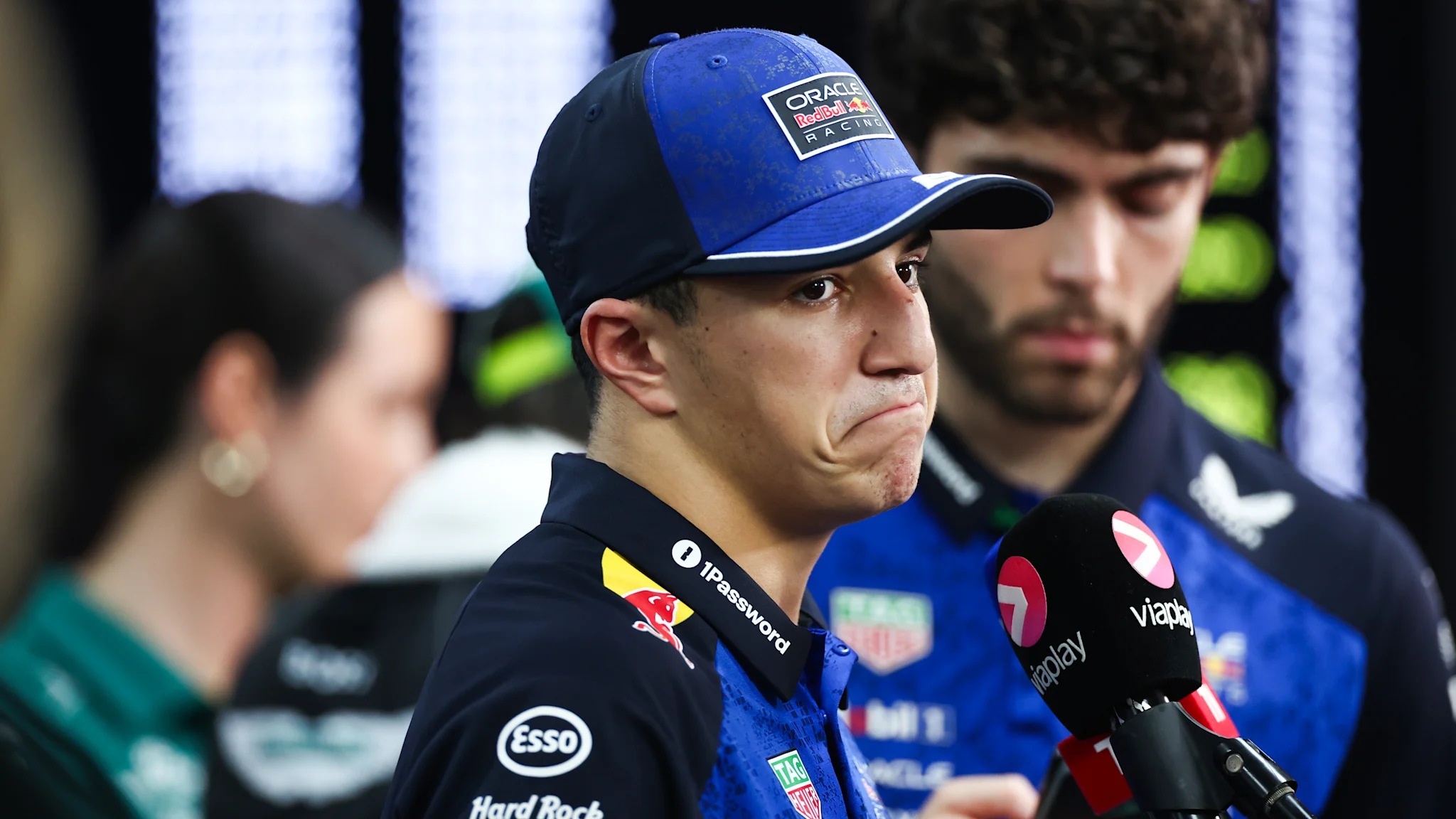
Red Bull driver Max Verstappen took pole for the Singapore Grand Prix on October 10, but team-mate Isack Hadjar failed to set a valid timed lap. Hadjar confirmed afterwards that the gearbox had failed near Turn 8. Team Principal Laurent Mekies subsequently apologised to him for the repeated reliability problems.
The car returns to the track but still cannot complete a timed lap
Hadjar had already retired from the Sprint with a mechanical problem. The team repaired the car before qualifying, and he thanked it over the radio, only to encounter another issue on his subsequent run, at one point reporting that the engine had shut down. After stopping on track, he got moving again and brought the car back to the garage. Another attempt to go out still failed to produce a valid timed lap.
In F1’s official post-session interview, Hadjar said he felt good in the first sector until the gearbox problem near Turn 8. Knowing the car was damaged, he still tried to continue in the hope of bringing it back to the garage. Mekies told F1 TV that the Sprint issue had involved the power unit, whereas qualifying was affected by a gearbox failure.
Mekies admitted the team had not given Hadjar sufficient opportunity to show his speed that weekend and hoped to help him recover points from the back in the race. He specifically stressed the importance of qualifying position in Singapore: successive failures had left Hadjar at a disadvantage before the race began.
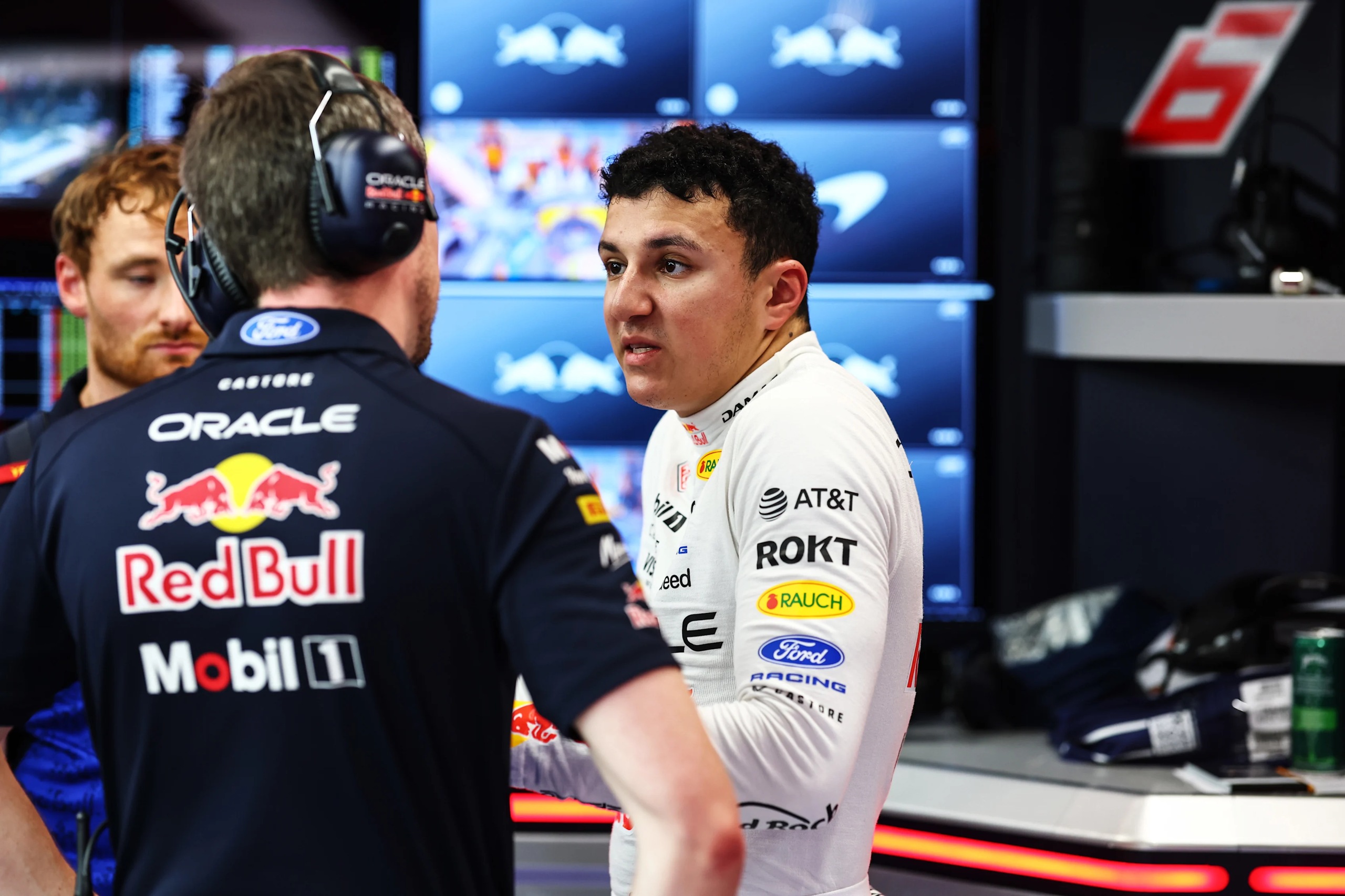
Failure interrupts further assessment of handling
On Friday, Hadjar had mainly discussed how difficult the car was to drive, particularly after switching to softs. On Saturday, a fresh mechanical failure ended his attempts before he completed a valid qualifying lap. He therefore could not continue testing changes to the car over a complete lap.
INKA SPORTS analysis: repairing the car cannot restore a lost qualifying opportunity
The reliability issue caused two losses: Hadjar lost both the opportunity to continue adapting to the car and complete a timed lap, and the chance to earn a better grid position. Overtaking is difficult in Singapore. Even if the fault were resolved before the Grand Prix, he would still need to find opportunities to recover through the cars at the back.
Verstappen’s pole lap of 1 minute 31.373 seconds showed Red Bull had front-running speed in Singapore. However, in the full qualifying results, Hadjar had no valid time, so there was no qualifying lap-time gap that could be directly compared between them. His handling feedback and race performance still needed to be assessed from his own completed running.
Conclusion
After Hadjar suffered successive power-unit and gearbox problems, Red Bull’s first priority was to restore reliable running for the Grand Prix. Meanwhile, the qualifying opportunity lost on Saturday had already become pressure to recover on Sunday. That explains the background to Mekies’s apology for the team’s failure to give him sufficient support.