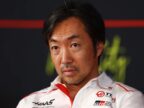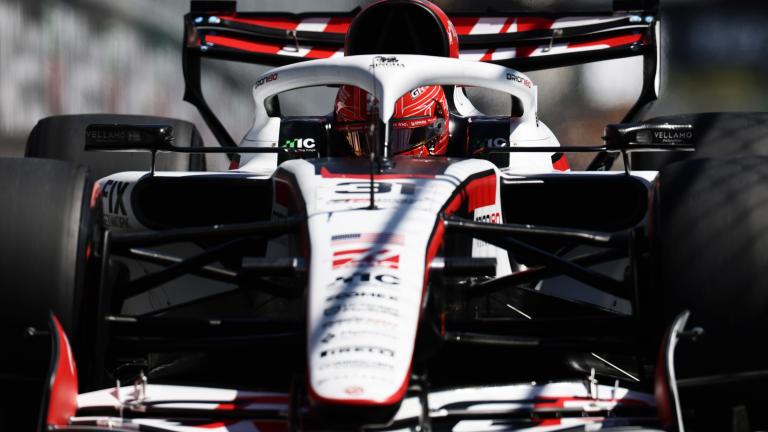
Haas is talking to several prospective sponsors as it looks to bring its spending closer to the Formula 1 cost cap in 2027. Speaking at the Spanish Grand Prix in Madrid, team principal Ayao Komatsu was positive about next year’s budget. Toyota’s racing division TGR already holds the title sponsorship, while Komatsu has previously said funding constraints have limited recruitment and improvements to tooling and infrastructure.
How the $215 million figure is calculated
The FIA financial regulations start from a base of $215 million. Each competition above 24 in the reporting year adds $1.8 million, and indexation applies where applicable. Costs such as marketing and driver pay are excluded, so the team’s total annual spending and its spending under the cap are measured on different bases.
The 2025 rules used a base of $135 million plus inflation. From 2026, costs including annual equipment depreciation have counted towards the cap. The two base figures differ by $80 million, but some of that extra room goes towards costs that now count under the rules. Only part of that difference could be available for additional development.
Pit equipment in Madrid and next year’s driver choice
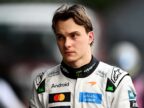
Esteban Ocon stopped under the Virtual Safety Car at the Spanish Grand Prix. He came out behind Audi’s Nico Hülkenberg and finished 11th. Oliver Bearman was 16th. Haas left Madrid seventh in the constructors’ standings with 21 points.
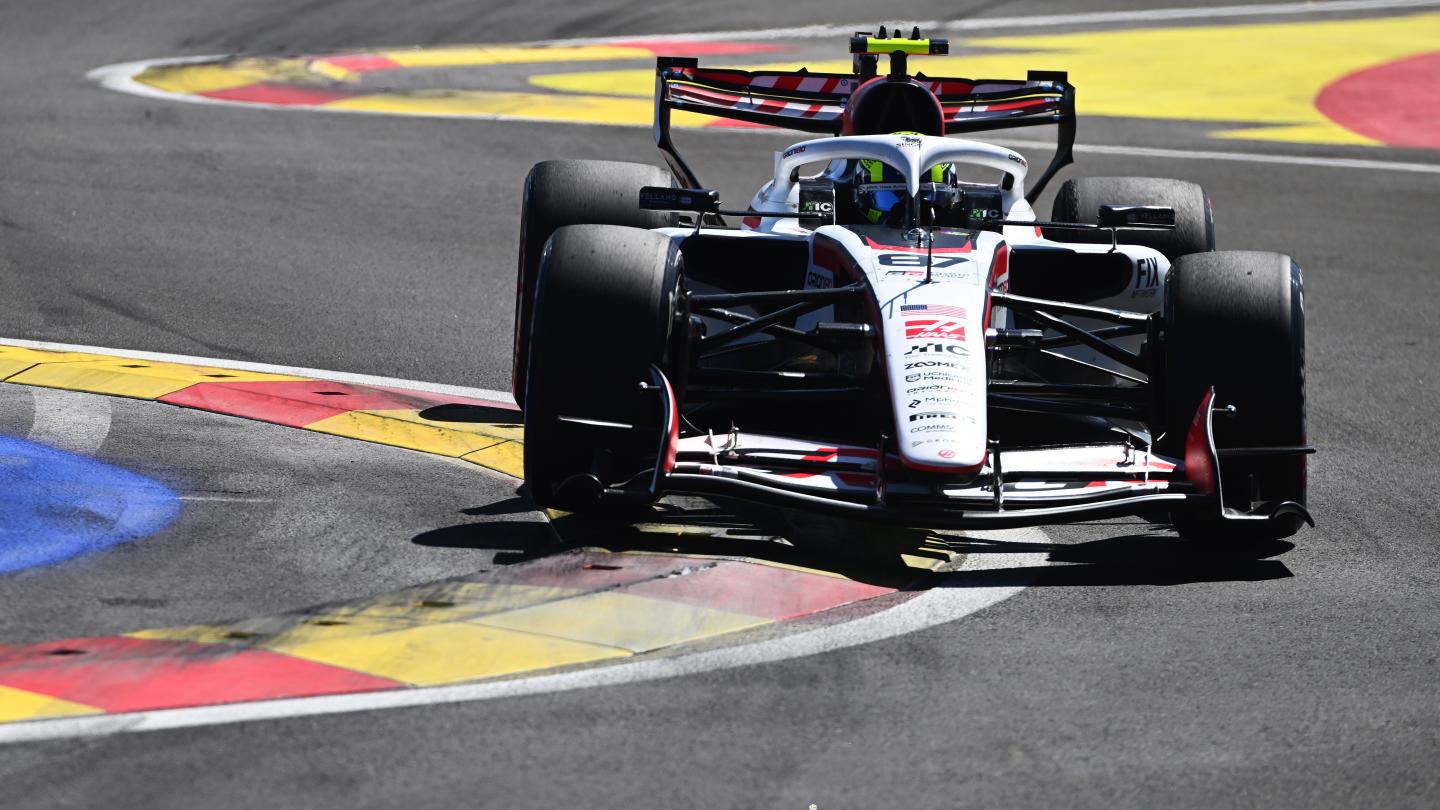
Komatsu praised the trackside and remote operations and said the team needed better equipment to give its crew a better chance. On the 2027 driver line-up, he put performance first and said commercial factors could come into play if two drivers were almost inseparable on pace. He gave roughly a tenth of a second as an example while the assessment was still underway.
INKA SPORTS Analysis and Summary: How sponsorship could help the pit crew
New sponsors would increase the money Haas has available, while the cost cap limits how much the team can spend on items covered by the rules. If some of the new money goes into pit equipment, annual depreciation also needs to be counted. Assessing what Haas can spend requires looking at the revenue, the cost of the project and the applicable cap together.
Madrid illustrated a specific need. Haas lost a position during a pit stop that offered a chance to stay in the points, and Komatsu identified equipment as an area to improve. A sponsorship deal would help with funding. The performance gain would depend on whether the work goes ahead and whether the crew can deliver more consistent stops in similar circumstances. One lost position gives no reliable measure of how large that gain could be.