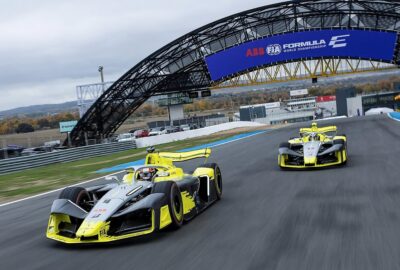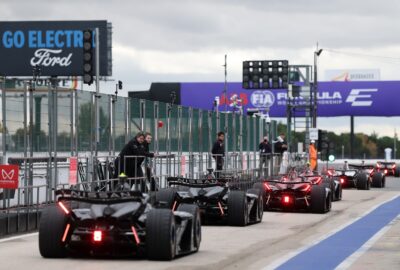
Three races in the 2025/26 Formula E season produced different routes to victory. Lucas di Grassi made late passes in Shanghai, Dan Ticktum regained the lead on the final lap in Tokyo, and Pascal Wehrlein used a charging stop during a Full Course Yellow to establish his London win. The turning points show how additional power, pit timing and remaining energy shaped the closing contest.
ATTACK MODE temporarily increases the car’s available power, while PIT BOOST is a fast battery charge during a pit stop. During a Full Course Yellow, or FCY, cars must slow, overtaking on track is restricted and drivers cannot activate ATTACK MODE. Once normal racing resumes, extra power can again be used to close gaps and pass. The two functions therefore face different conditions during a caution.
Shanghai Round 13, power still available after the caution
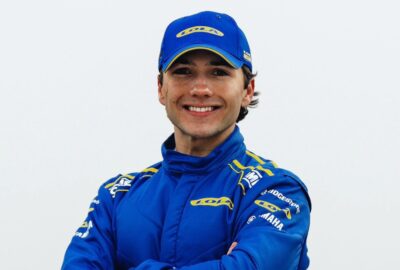
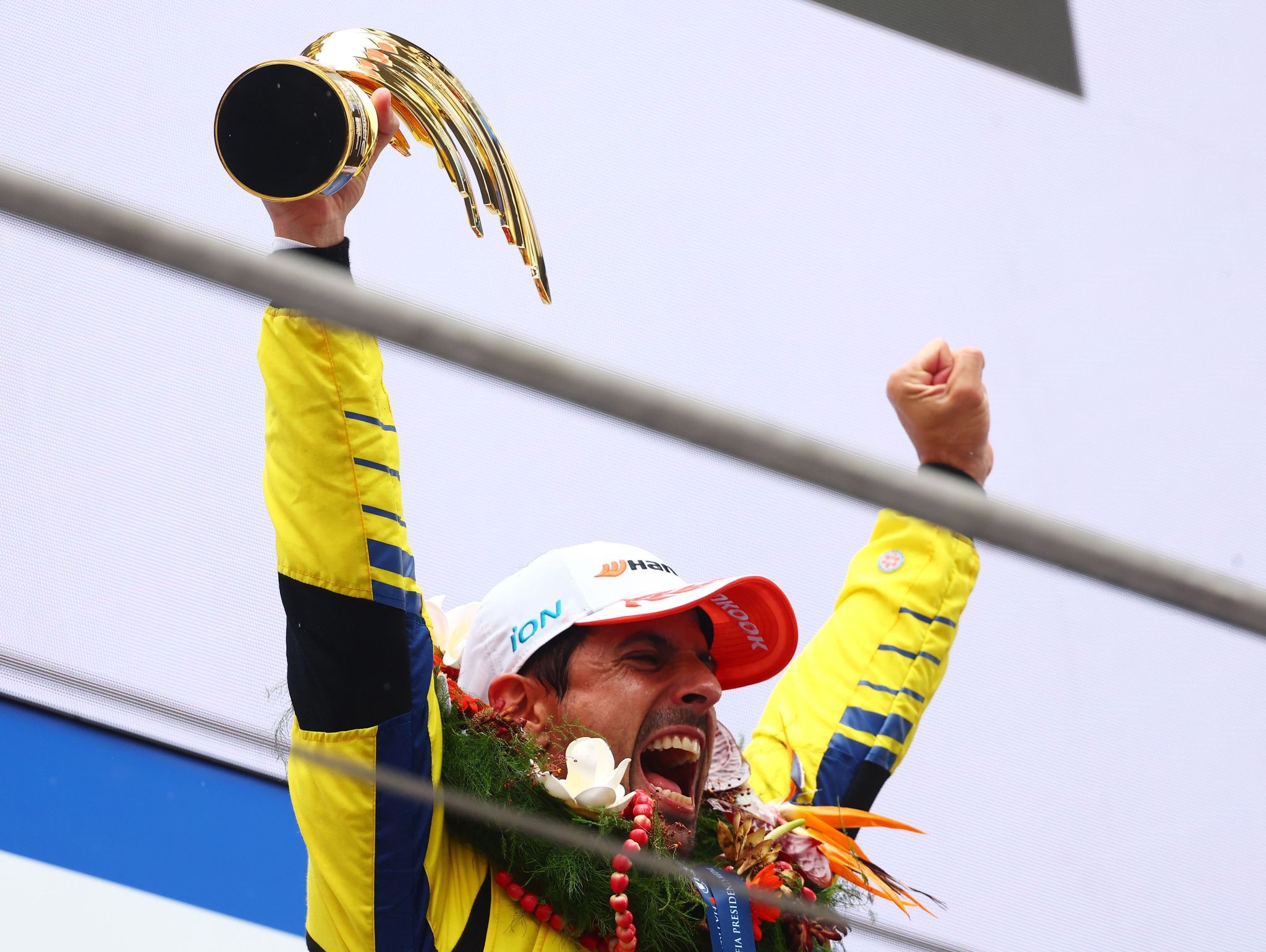
Late in Shanghai Round 13, Joel Eriksson and Jean-Éric Vergne had already activated ATTACK MODE when an FCY restricted their attacking opportunities. Di Grassi still had an activation available. After racing resumed, he used the additional 50kW to close in, passing Eriksson at the hairpin on the penultimate lap and Vergne at Turn 1 on the final lap to win.
Tokyo Round 14, energy pressure after taking the lead
In Tokyo Round 14, Ticktum took PIT BOOST and ATTACK MODE early and held the effective lead once the pit sequence was accounted for. Jake Dennis deployed ATTACK MODE later and, by the end of Lap 29, had passed Nick Cassidy and Ticktum to lead. In that phase, he converted the additional power into track position.
On the final lap, before the closing chicane, Dennis lifted off early with his remaining energy critical. Ticktum took the opportunity to pass and held the lead to the finish. Having gained the position earlier, Dennis now needed to save energy by lifting, making speed through the final section decisive.

London Round 16, a lower relative cost for the charging stop
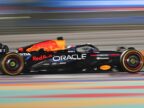
In London Round 16, Mitch Evans used ATTACK MODE and PIT BOOST early in an attempt to clear Nico Müller and challenge Wehrlein. An FCY was then called to recover di Grassi’s car. Wehrlein completed PIT BOOST during that period. While he was stationary charging, the cars on track were also slowing, reducing his time loss relative to the field. That timing helped him preserve his advantage and win.
INKA SPORTS Analysis and conclusion, how cautions and late energy pressure change a strategy’s effect
The distinction between Shanghai and London lies in what each driver needed to accomplish when the caution arrived. ATTACK MODE in Shanghai needed overtaking opportunities to gain positions. The caution restricted attacks already under way, while di Grassi retained an activation for the return to racing. In London, the comparison was how far rivals could travel while Wehrlein stopped. Their reduced speed lowered the relative time cost of completing his charge. The same intervention consequently affected an ongoing attack and a pending stop differently.
Tokyo adds the need to assess a pass against the energy required over the remaining distance. Dennis’s later ATTACK MODE helped him take the lead, while the energy pressure observed at the end restricted his scope to maintain speed. A winning plan must consider both when to gain a position and how the car can be driven to the flag. Ticktum’s opportunity came precisely when Dennis needed to lift early.
These three cases tie strategy to specific conditions. ATTACK MODE needs a phase in which a driver can attack, the cost of a charging stop changes with rivals’ speed, and a lead gained still depends on energy management through the finish. Reading an activation or pit lap alongside race status, the functions still available and the remaining distance explains why these choices produced different results.