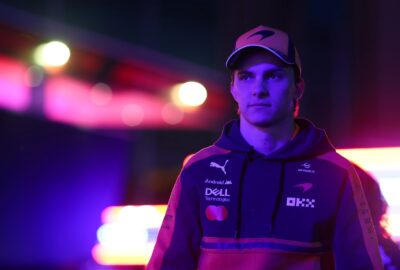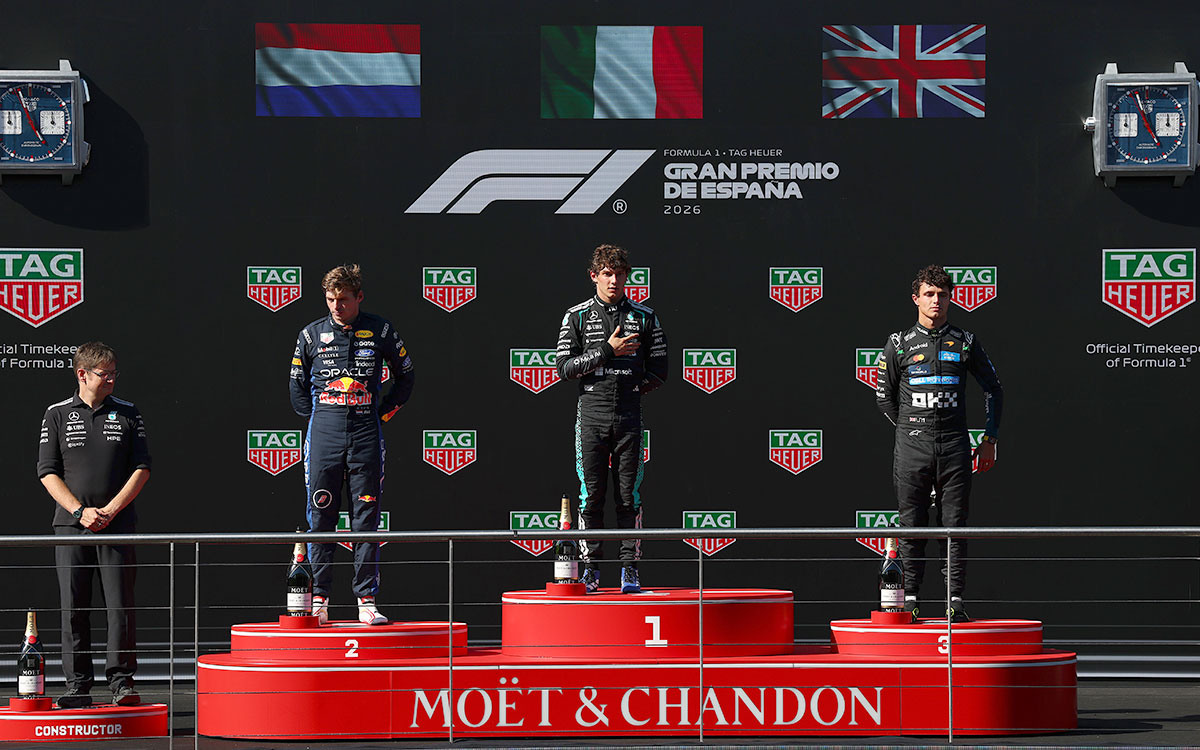
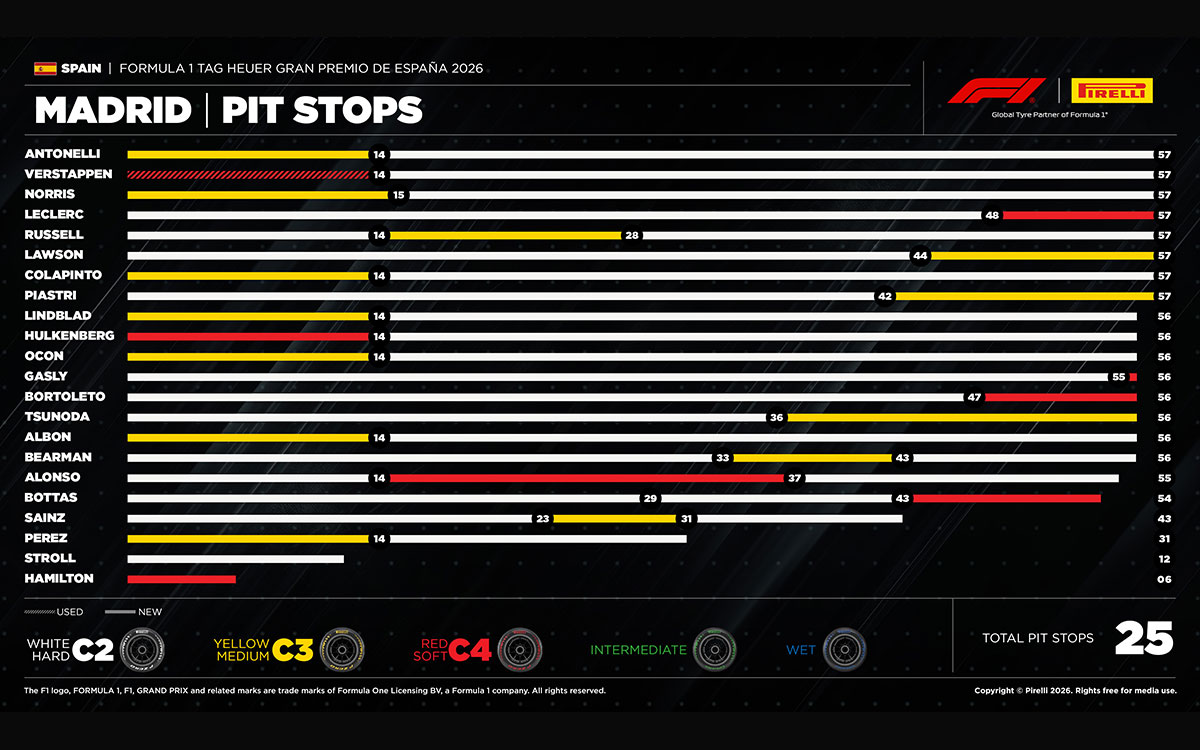
Pole-sitter Lando Norris was leading the Spanish Grand Prix on 13 September and had just passed pit entry when Lance Stroll’s stoppage brought out the virtual safety car (VSC). Kimi Antonelli, Max Verstappen and George Russell stopped under the VSC on lap 14. The race was back under green flags the next time Norris reached the entry. He stopped on lap 15 and was stationary for about seven seconds during the tyre change. He rejoined fifth and recovered to third.
The current rules allow tyre changes and leave the restart to the race director
FIA Article B5.12 requires the field to slow under the VSC and allows cars to pit for tyres during a race. Drivers who stop while their rivals are going slower on track lose less time relative to them. Norris and his rivals reached the entry at different moments, so the same VSC gave them different opportunities. When the race director judges it safe to resume, an ending message goes out and the lights turn green 10 to 15 seconds later. The race control log records deployment at 15:27 local time in Madrid and the ending message at 15:29.
What closing pit entry or extending the VSC would change
After the race, Norris suggested keeping the VSC out for at least one lap or closing the entry with exceptions for emergencies such as punctures. He also asked what would happen if rain arrived while drivers were still on slicks and had to wait until the restart to switch tyres.
Closing the entry would defer routine stops until green flags, even for drivers who happen to be near the entry when the VSC is deployed. A workable rule would have to define who could stop for a puncture, damage or sudden rain. Allowing stops for safety reasons would still leave some drivers with a different opportunity to change tyres while the race was neutralised.
INKA SPORTS Analysis and Summary: Fairness also depends on where drivers are in their tyre plans
A minimum duration would give a driver who had just missed the entry a better chance of coming round again. An opportunity to pit does not mean the tyre change makes sense for everyone at that moment. Charles Leclerc ran a long first stint on hard tyres in Madrid and stopped on lap 48. Guaranteeing a low-cost stop to drivers who had yet to pit could put those who had already paid the full time cost under green flags at a disadvantage.
Norris also had a slow tyre change. Andrea Stella said his original mediums were already graining, and staying out would still have left him needing to stop later. The two proposals change the conditions in which drivers can pit. Assessing them means specifying the exceptions for urgent tyre changes and weighing the effect on different tyre plans and the timing of a safe restart.