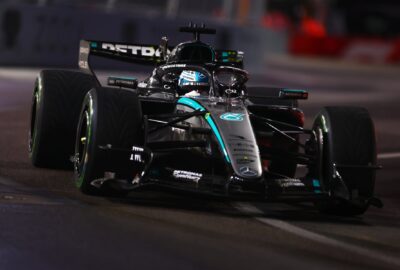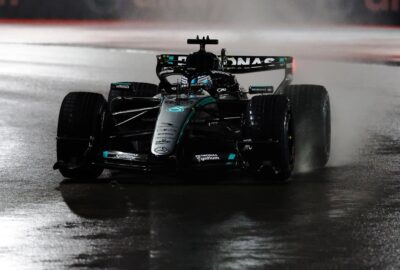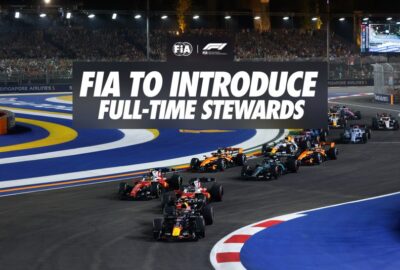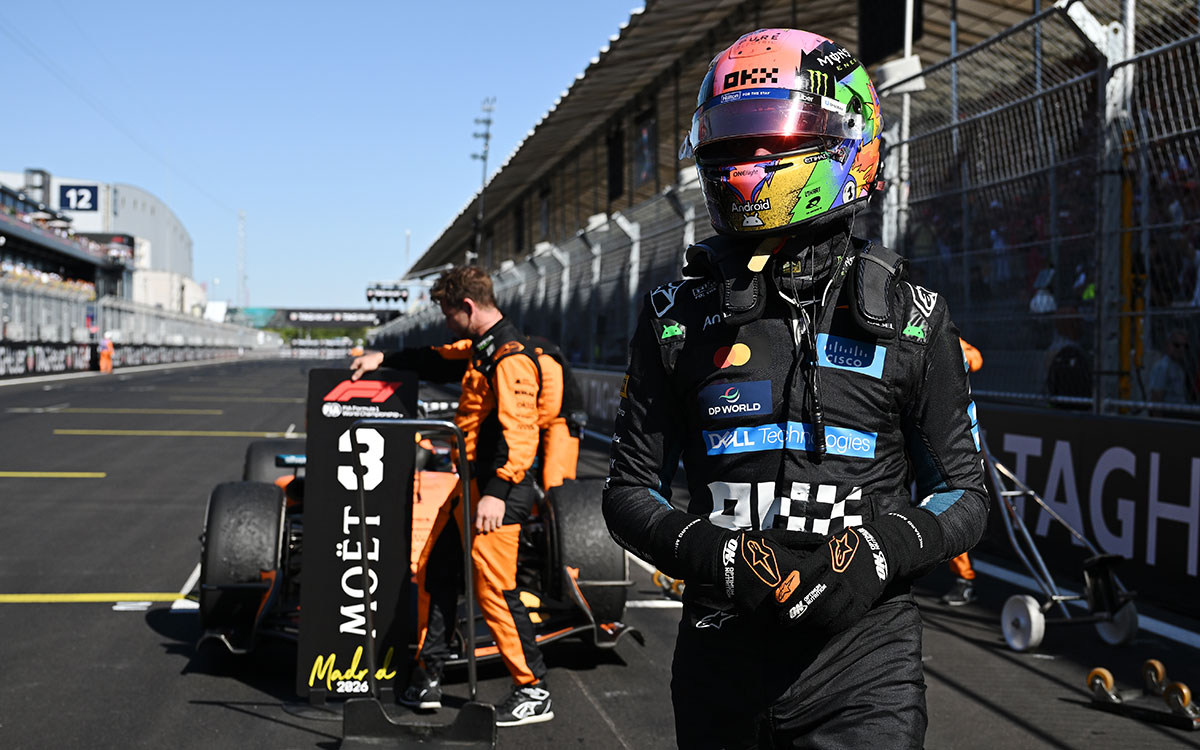
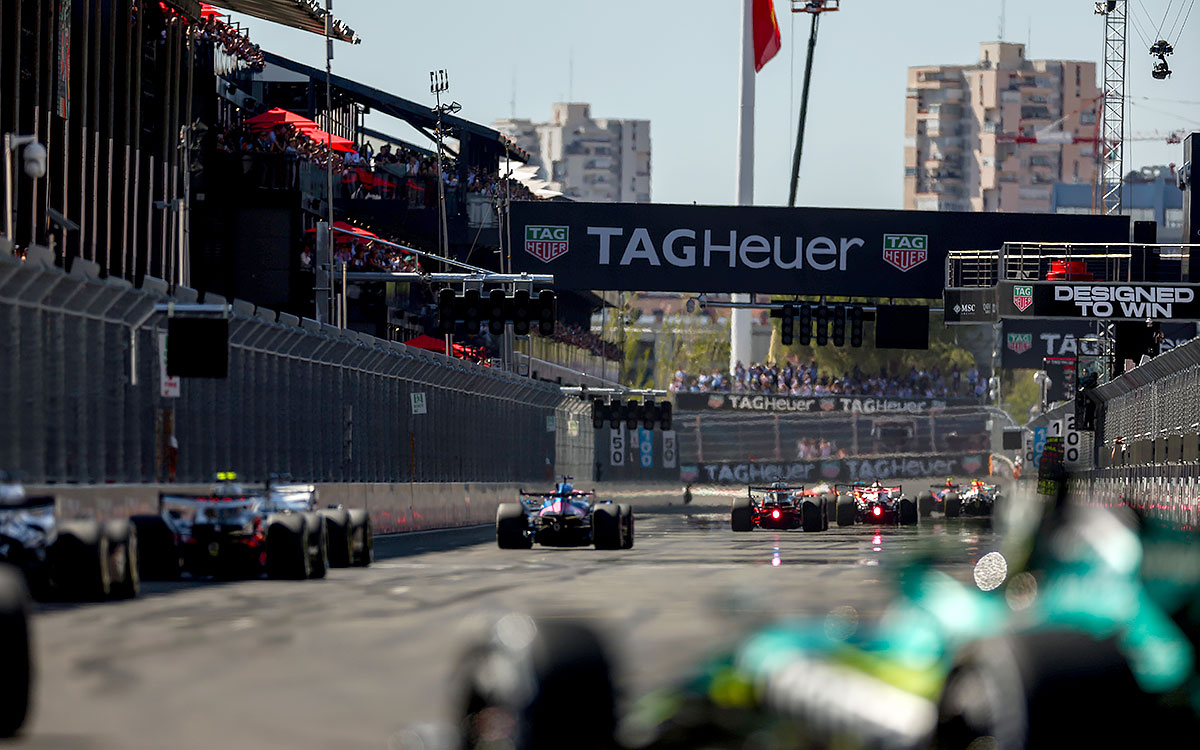
Lando Norris started the Spanish Grand Prix from pole on 13 September and built a lead of more than six seconds in the opening stint in Madrid. Aston Martin’s Lance Stroll stopped at Turn 20 on lap 13. Race control deployed the virtual safety car (VSC) at 15:27 local time, requiring drivers to slow down. Norris had just passed pit entry. Kimi Antonelli, Max Verstappen and George Russell were still approaching it and stopped on lap 14.
The race was back under green flags when Norris reached pit entry again on lap 15. He was stationary for about seven seconds while switching to hard tyres and rejoined fifth, with Charles Leclerc still to stop. Norris recovered to third and Antonelli won. McLaren said the slow tyre change warranted a review, but judged the timing of the VSC to have mattered more to its chances of winning.
The race director makes the safety decision
Article B5.12 of the FIA sporting regulations in force at the time allows a VSC when double waved yellow flags are needed and people may be in danger, but conditions do not warrant sending out the safety car. When the race director considers it safe to end the VSC, a warning goes out and the lights turn green 10 to 15 seconds later. The article sets no one-lap minimum.
McLaren team principal Andrea Stella backed the decision to manage the incident according to the safety conditions. He said that any attempt to reduce the differences created by pit timing belonged in a rules discussion. A minimum of one full lap was one possibility he raised, and he said he had yet to reach a view. Norris also acknowledged after the race that he had benefited from similar timing in the past.
INKA SPORTS Analysis and Summary: Why leading cost Norris a pit window
A stop under the VSC usually costs less race time relative to rivals who have to slow down on track. In Madrid, the lead put Norris past the entry before his rivals. They were able to change tyres while the rest of the field was still restricted. Norris had to come around again, by which time his rivals were back up to racing speed. The slower tyre change delayed him further.
A minimum duration would give a driver who has just passed pit entry a better chance of getting back there before the green flag. It could also mean keeping the field at reduced speed after the track is clear. Madrid shows how the duration changes the relative cost of pitting. A timely restart under the current rules and an equal chance to stop are separate questions.