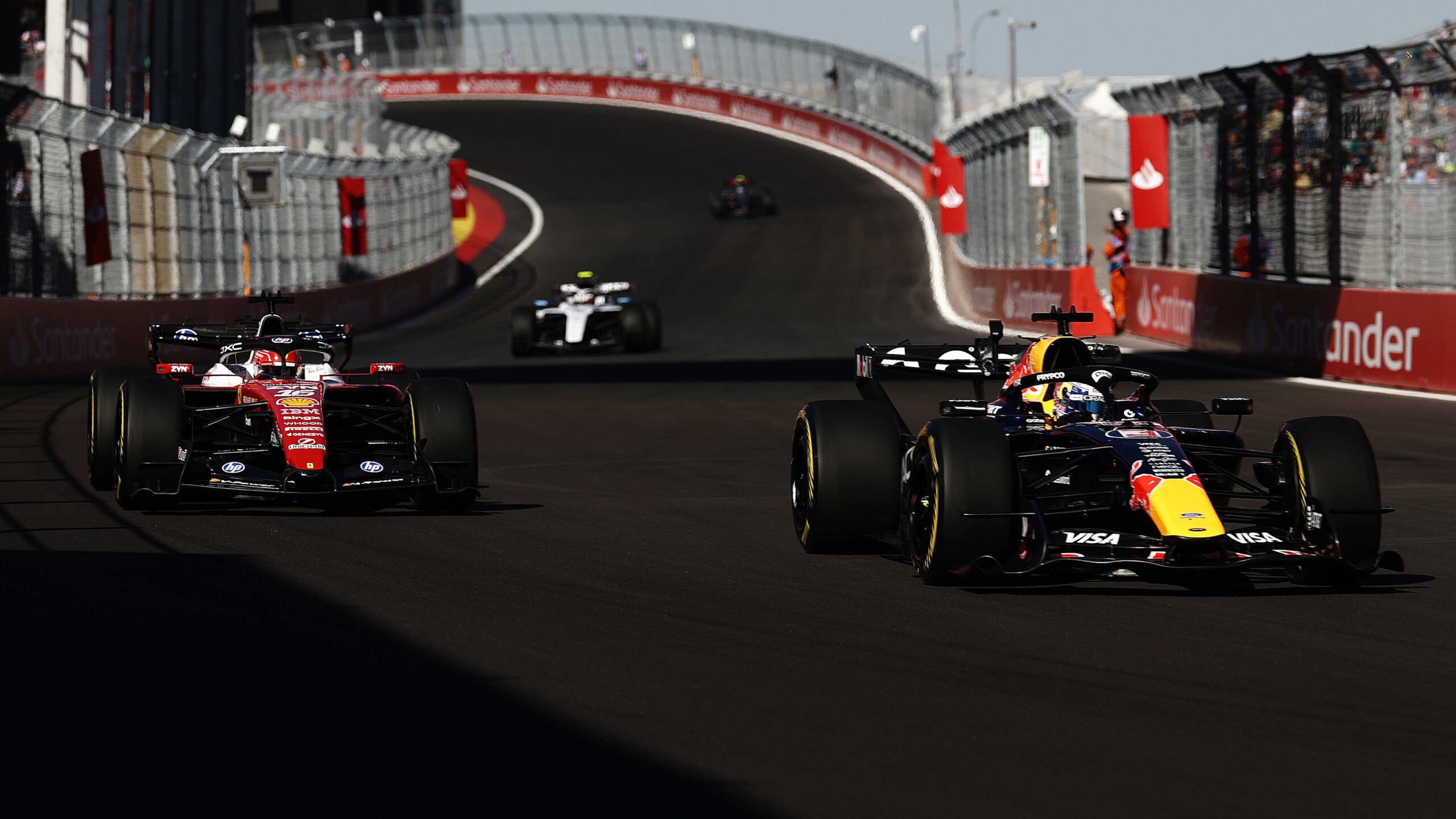
The 2026 Spanish Grand Prix concluded on 13 September with the first F1 race at the Madring. Event managing director Luis García Abad said the organiser had received recommendations from the FIA and was preparing circuit changes for 2027. He identified the area around Turns 5 to 7 as a possible focus. The specific layout changes were still to be announced.
Creating two usable lines at the end of a straight
Turn 5, at the end of the longest straight, was intended to offer a chance to pass. Drivers had to brake while turning, which made it difficult for a following car to find room alongside even after closing on the straight. Any change there needs to consider the entry, kerbs and barriers together to make sure two cars can turn in safely side by side.
Lando Norris suggested bypassing Turns 18 and 19 to create a straighter approach to the Turn 20 hairpin, and looking at more width and camber. Assessing the idea means looking at both the gap out of the preceding corner and the usable space under braking for the next one. A longer straight helps the follower close in. The lines through the corner determine whether the two cars can keep racing alongside.
Pit timing also cost Norris track position
Pole-sitter Norris was leading when the Virtual Safety Car was deployed. McLaren team principal Andrea Stella said Norris had just passed the pit entry when the speed restriction began. Antonelli, Verstappen and Russell stopped under the restriction on lap 14. Norris reached the pit entry again on lap 15, after the race had returned to green-flag conditions. Norris’s own tyre change took about seven seconds. He rejoined in fifth and recovered to third.
Stella said Norris would have struggled to retain the lead if he had stayed out on medium tyres that were already graining, a condition in which small lumps of rubber reduce grip. Two figures help assess the alternatives: the time a stop costs at normal racing speed and the time fresh tyres can recover. With a pit lane around 540 metres long and a break in its middle dictated by the venue’s buildings, an assessment should include both the time in the lane and the room to make up ground on fresh tyres.
INKA SPORTS Analysis and Summary: How to measure the second year’s changes
Circuit changes and pit strategy can each affect a position battle. The first test is whether a following car can stay alongside into the braking area. The second is the time lost in a normal stop, and whether fresh tyres leave enough laps and room to recover it. The Virtual Safety Car changed the pit window in the first edition, so stops under the restriction need to be counted separately in any comparison.
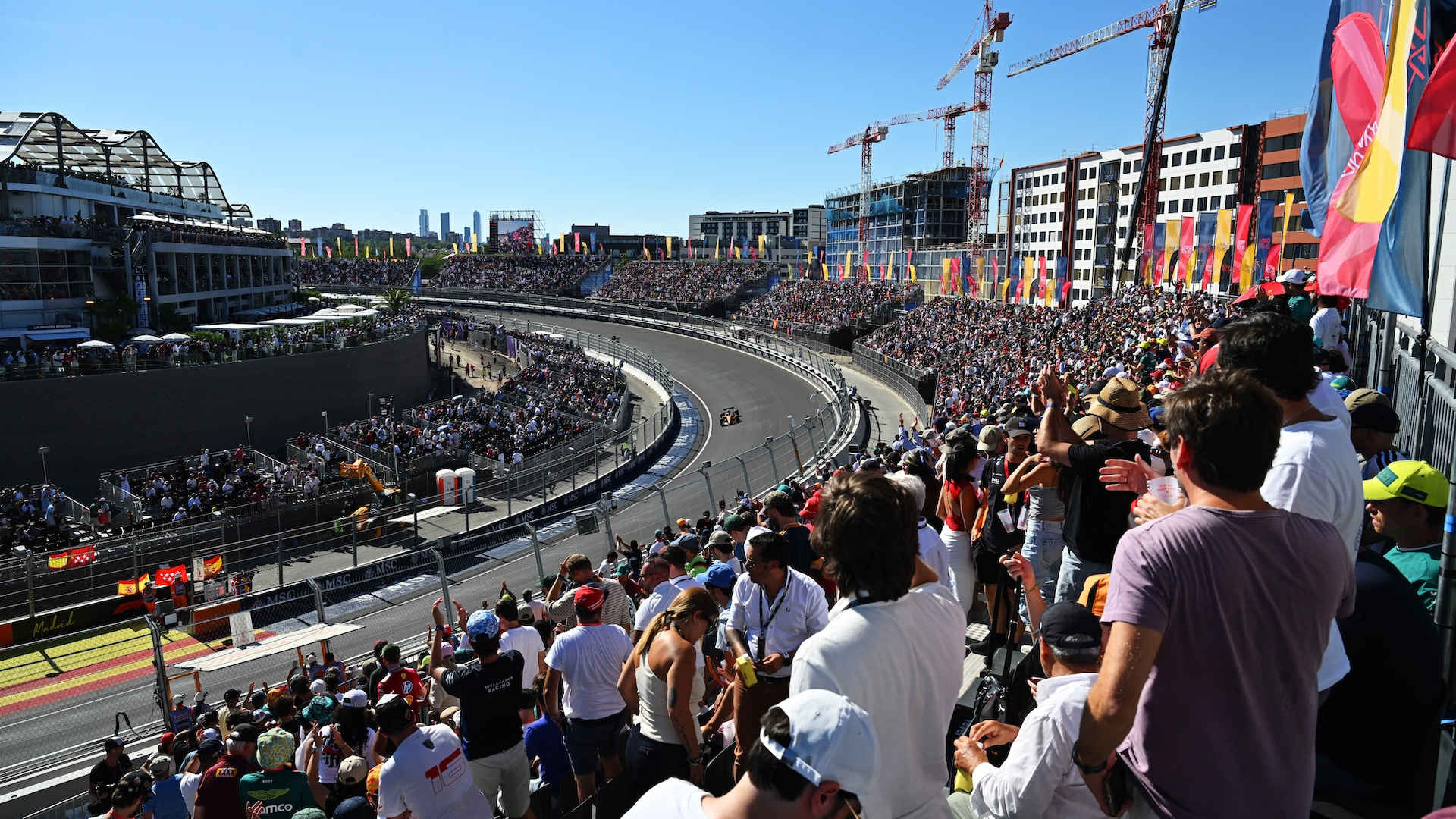
For spectators, the tests are what they can see from their seats and how readily they can get around. Some spectators reported that concrete barriers blocked their view. García Abad also pointed to space for more facilities and activities. Checking the view from each stand before tickets go on sale and mapping entry, cross-site and exit routes would show ticket holders what to expect and highlight where crowd movement needs attention. The race and the full stands are starting points for measuring improvements on and off the track.