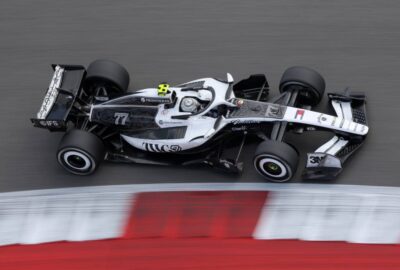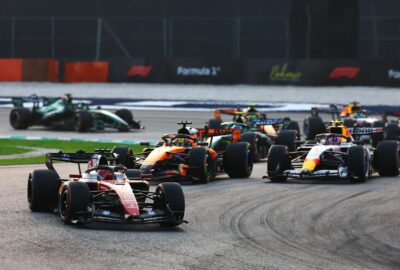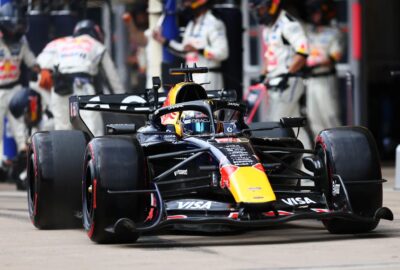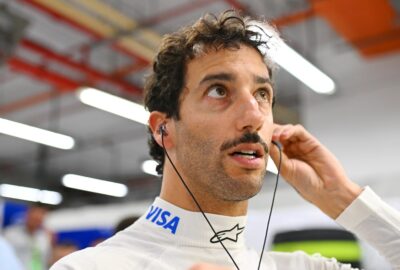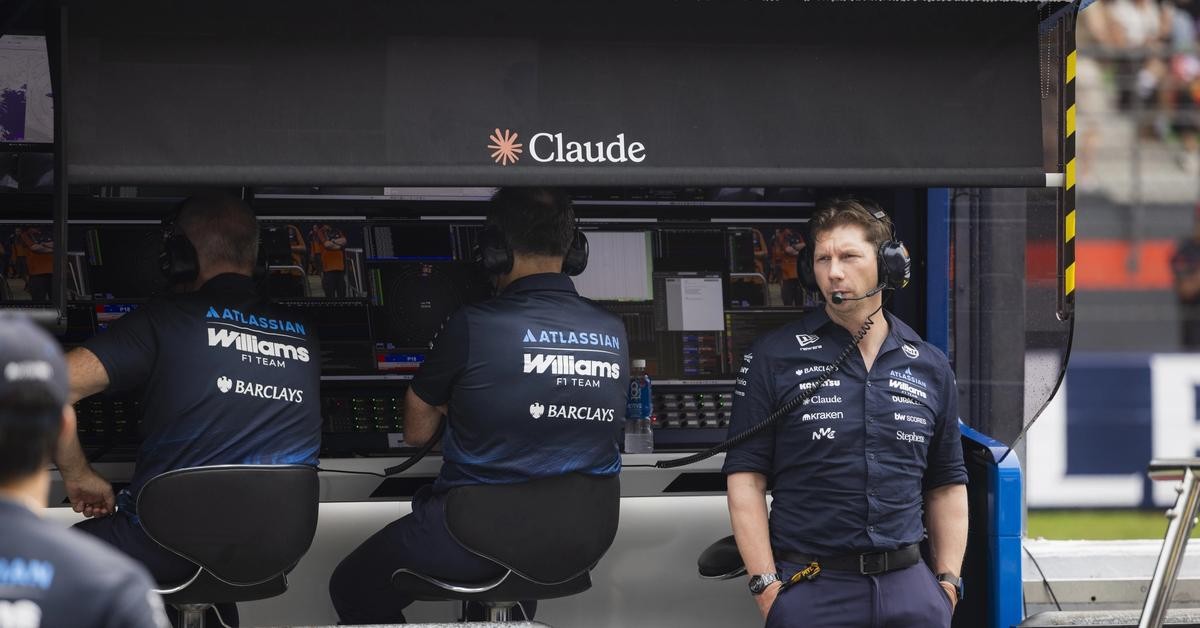
Singapore’s short straights and succession of corners present the 2026 F1 cars with a different set of challenges from high-speed circuits. In a technical briefing released by Williams on October 7, Chief Race Engineer Paul Williams identified braking over bumps, low-speed corner performance, turbo lag and torque fill as priorities. The team’s pre-event assessment suggested energy deployment here would be close to full power overall, but delivering that power to the driven wheels still required specific attention.
Undulations in the braking zones put both axles at risk of locking
Marina Bay is 4.927 km long with 19 corners and predominantly short straights, where teams usually pursue high downforce. Williams noted that undulations, cambers and bumps interfere with braking, leaving a persistent risk of locking the front or rear wheels. The briefing suggested that a rearward mechanical and aerodynamic balance generally helps reduce front-wheel locking.
That requirement extends setup work to how the car behaves over the surface. In an interview published by the official F1 website that day, Alpine Racing Director Dave Greenwood said there were relatively few different rear-wing specifications available this year. Alongside seeking downforce, teams therefore had to manage the car’s attitude over bumps and kerbs, and front- and rear-wheel grip in the middle of low-speed corners.
Ample energy deployment still requires lag and torque-fill management
Williams compared the circuit’s energy-deployment characteristics with Monaco and assessed lap-time sensitivity to energy as relatively low. The team nevertheless stressed that turbo lag and torque fill were a major challenge, with the allocation of energy recovery also important. Torque fill supplies the required driving force when engine response is insufficient; it addresses a different question from how much energy can be used over an entire lap.
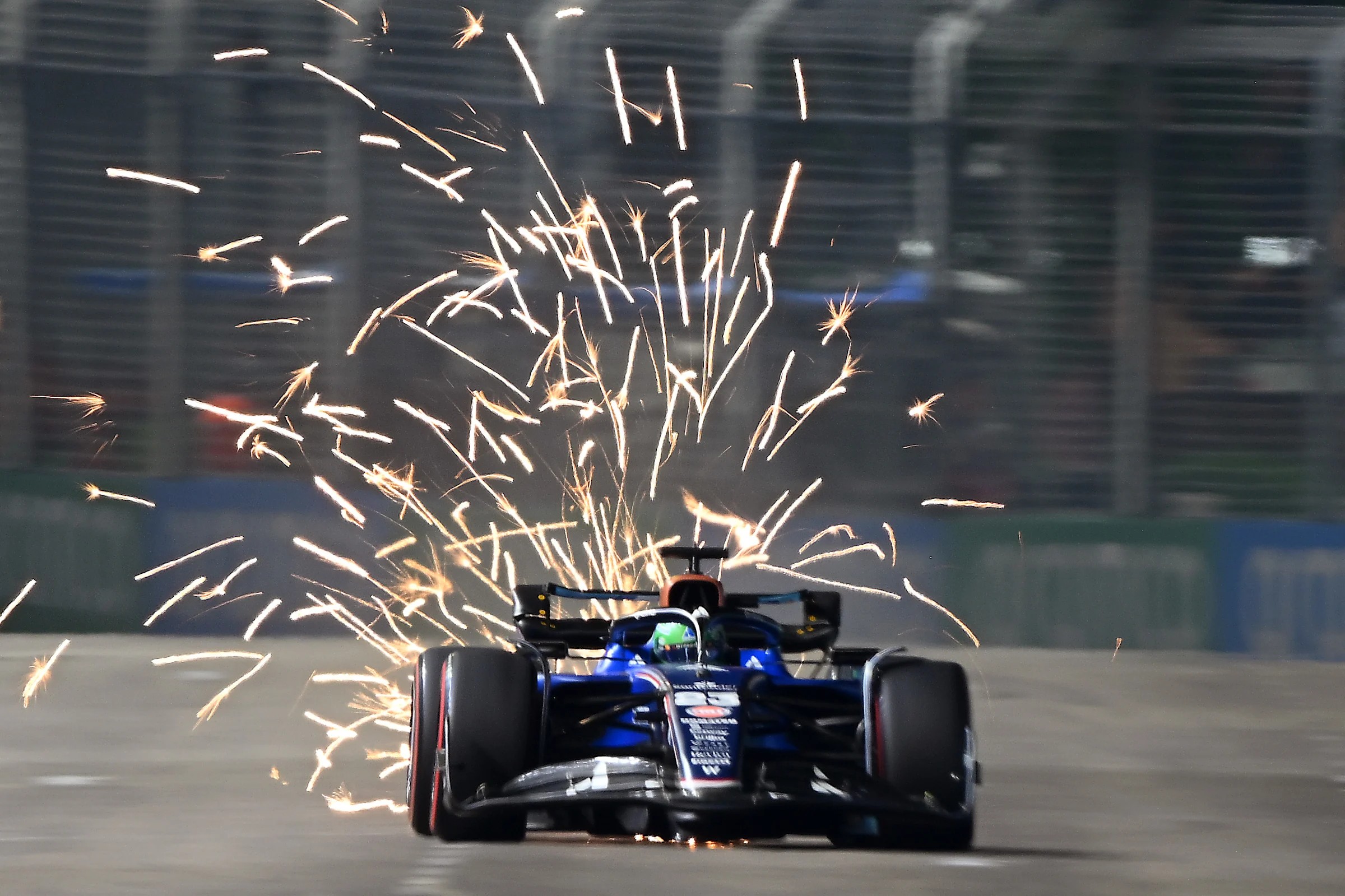
Greenwood’s assessment also emphasized mechanical performance. With energy a relatively less sensitive factor, low-speed grip, adaptation to the surface and driver confidence merit greater attention. Singapore is holding a Sprint weekend for the first time, leaving teams just one free-practice session. How quickly simulation preparation can be matched to the real surface will therefore directly affect setup efficiency.
INKA SPORTS analysis: Why full deployment does not remove power lag
The two sets of engineering feedback point to the same distinction: the energy deployable over a lap and the timely delivery of suitable torque at a particular corner exit need separate attention. Short straights reduce the overall lap-time impact of energy allocation, but repeated low-speed corners demand repeated transitions from deceleration to acceleration. In Williams’ assessment, managing the link between lag and torque fill remains part of turning power into lap performance.
Braking stability and exit response sit at opposite ends of the same corner. The car first needs to remain controllable over bumps before turn-in, then have enough grip mid-corner, before suitable driving force is applied on exit. Engineering preparation here should therefore address continuous performance throughout the low-speed corner: high downforce is one element, while surface adaptation and power delivery have their own specific roles.
Conclusion
The pre-event feedback from Williams and Alpine indicates that Singapore requires aerodynamic performance, mechanical grip and power response to be set up together. If braking stability or the transition on corner exit remains deficient, ample energy deployment cannot solve those problems alone. Free practice will first test whether the simulated setup suits the actual bumps, establishing a working foundation for the Sprint and Grand Prix.