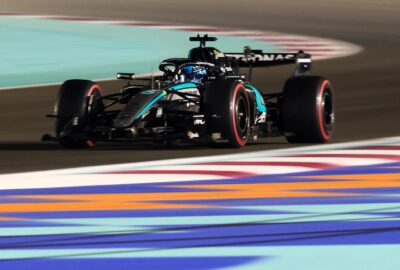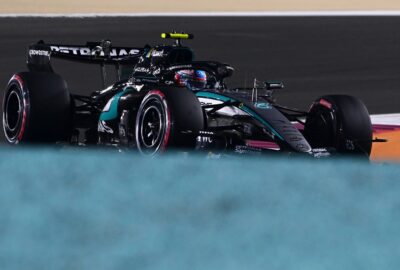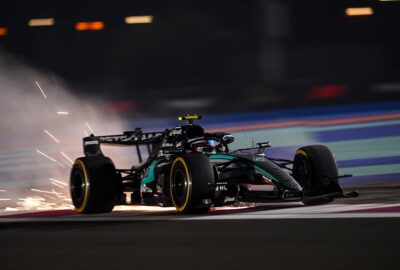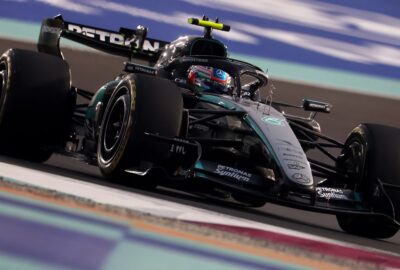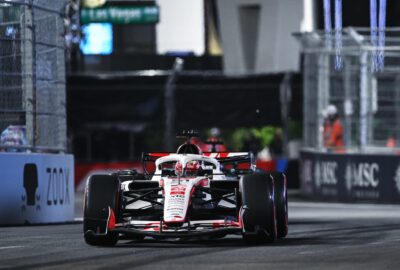
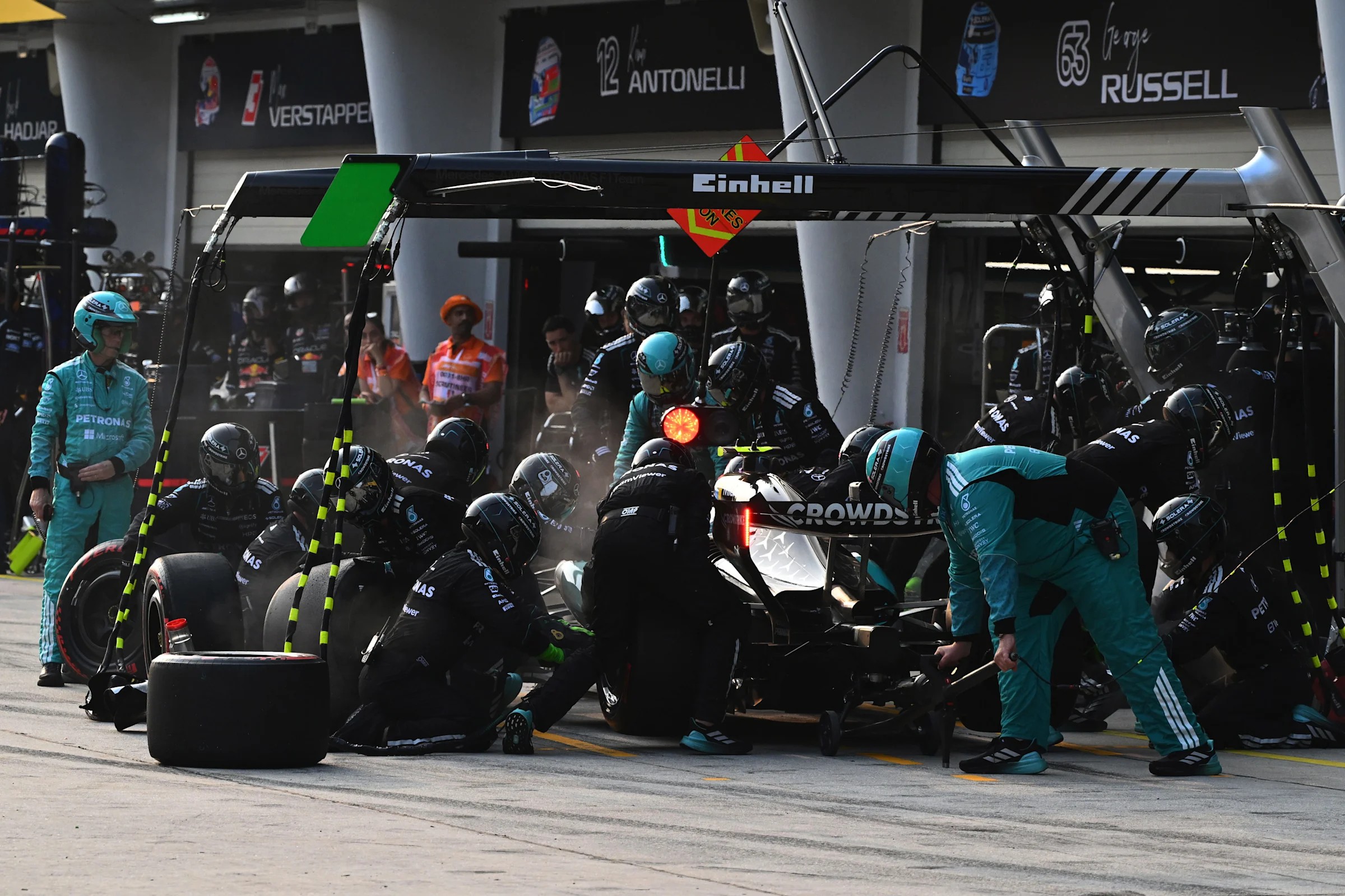
The 2026 Singapore Grand Prix, Round 17 of the Formula 1 season, took place on October 9–11 as Marina Bay hosted its first Sprint weekend. Pirelli selected the C3, C4 and C5 dry compounds, with each driver receiving 12 dry sets rather than the usual 13. The C5 Soft, highlighted before the event, went on to handle long stints in the Grand Prix.
How the 12 dry sets were allocated
The C3 was the Hard, the C4 the Medium and the C5 the Soft, matching the previous Singapore selection. Those labels describe the relative hardness of the three compounds chosen for this event. A tyre called Hard at one race need not use the same compound as the Hard at another.
Each driver received two Hard, four Medium and six Soft sets, making 12 dry sets in total. A Sprint weekend includes practice, two qualifying sessions and two races, across which teams must plan their dry-tyre use. The allocation describes the available quantities; it does not mean that all three compounds must be used in a race.
From the forecast to the races
Before the event, Pirelli still expected the Hard and Medium to be the main Grand Prix options. However, the C5’s low degradation in Budapest, Monza and Baku encouraged it to consider a wider role for the Soft. It favoured a one-stop Grand Prix and suggested the Soft might feature in the Sprint. One stop means a single visit to the pits to change tyres; these forecasts depended on the eventual weather and track conditions.
Rain affected the October 10 Sprint, leaving some sections wet while others dried. Drivers started on Intermediates, designed for transitional wet conditions, and retained them to the finish. The short race therefore provided no C5 race sample from which to judge the dry tyre’s suitability for a longer stint on Sunday.
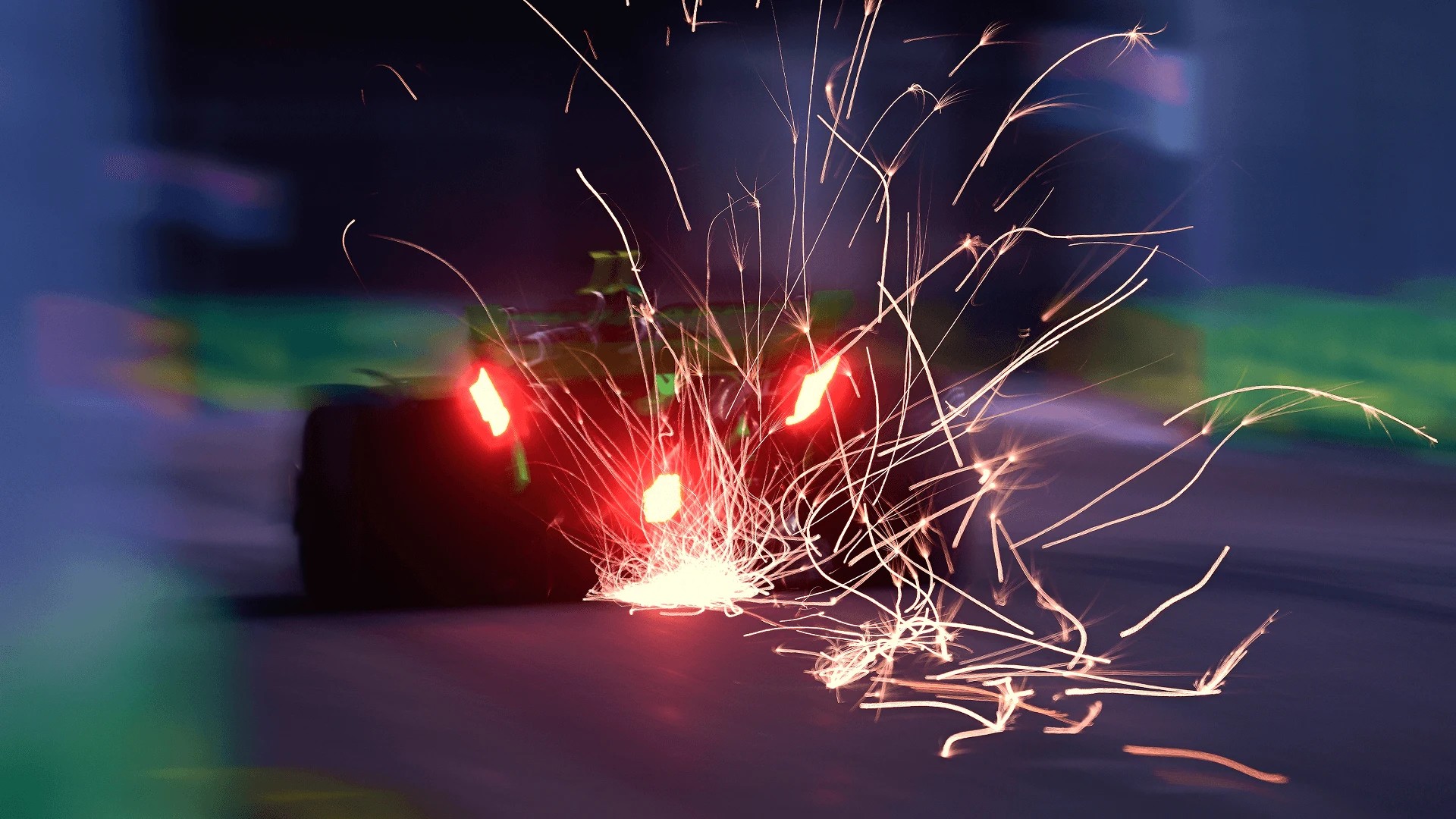
The October 11 Grand Prix was different: only the C5 Soft and C4 Medium were used, with no driver choosing the C3 Hard. Pirelli Motorsport Director Dario Marrafuschi said the C5 maintained performance over long stints, while the C4 showed very little degradation. The C3 offered less grip without a useful strategic gain in a one-stop race. He considered a Soft–Medium one-stop the strongest option.
| Tyre at this event | Compound | Dry sets per driver |
|---|---|---|
| Hard | C3 | 2 |
| Medium | C4 | 4 |
| Soft | C5 | 6 |
| Total | Three compounds | 12 |
INKA SPORTS Analysis and Summary: Separating allocation from performance
The 12-set limit governs how teams distribute the tyres they have; it does not by itself explain why the C5 suited this Grand Prix. Using another new Soft set in qualifying leaves one fewer unused set for later. Yet having more sets of a compound left does not make that compound faster. Availability and performance must be considered together, rather than treating the allocation as a measure of suitability.
The Hard’s problem was that additional durability offered no corresponding strategic reward. If the Medium can cover the required distance with little degradation, a harder tyre may not save a pit stop, while still costing grip. Marrafuschi’s assessment points to the C5’s ability to run long and the C4’s suitability for the remaining distance as the basis for the Soft’s role. Losing one dry set from the weekend allocation did not itself turn the Soft into the preferred race tyre.
The Grand Prix supported the expectation of a wider role for the C5, but not the earlier view that the Hard and Medium would dominate. The wet Sprint also showed why race length alone cannot determine tyre choice. Singapore’s lesson was to establish which tyre type suited the surface, assess the compounds against the required distance, and then plan around the remaining sets. The Soft’s success here does not make the same strategy appropriate everywhere.