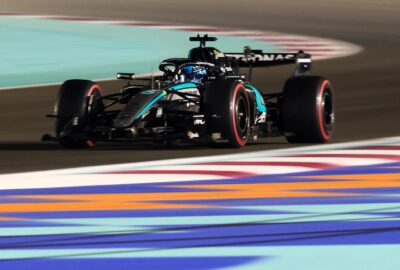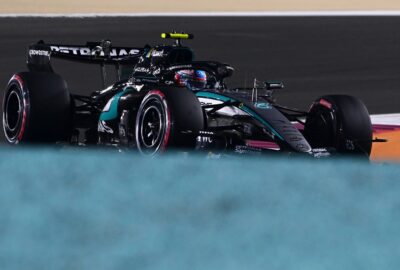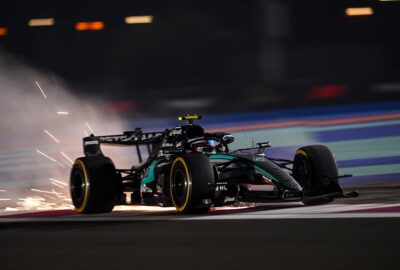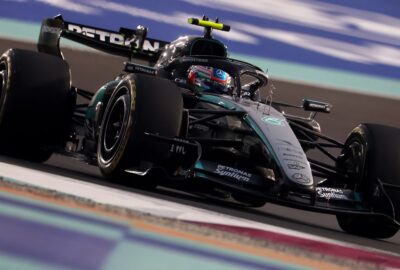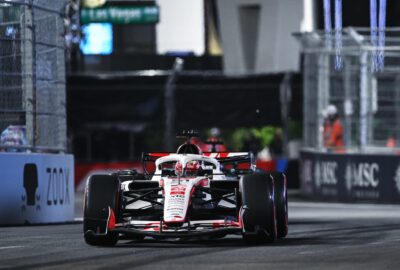
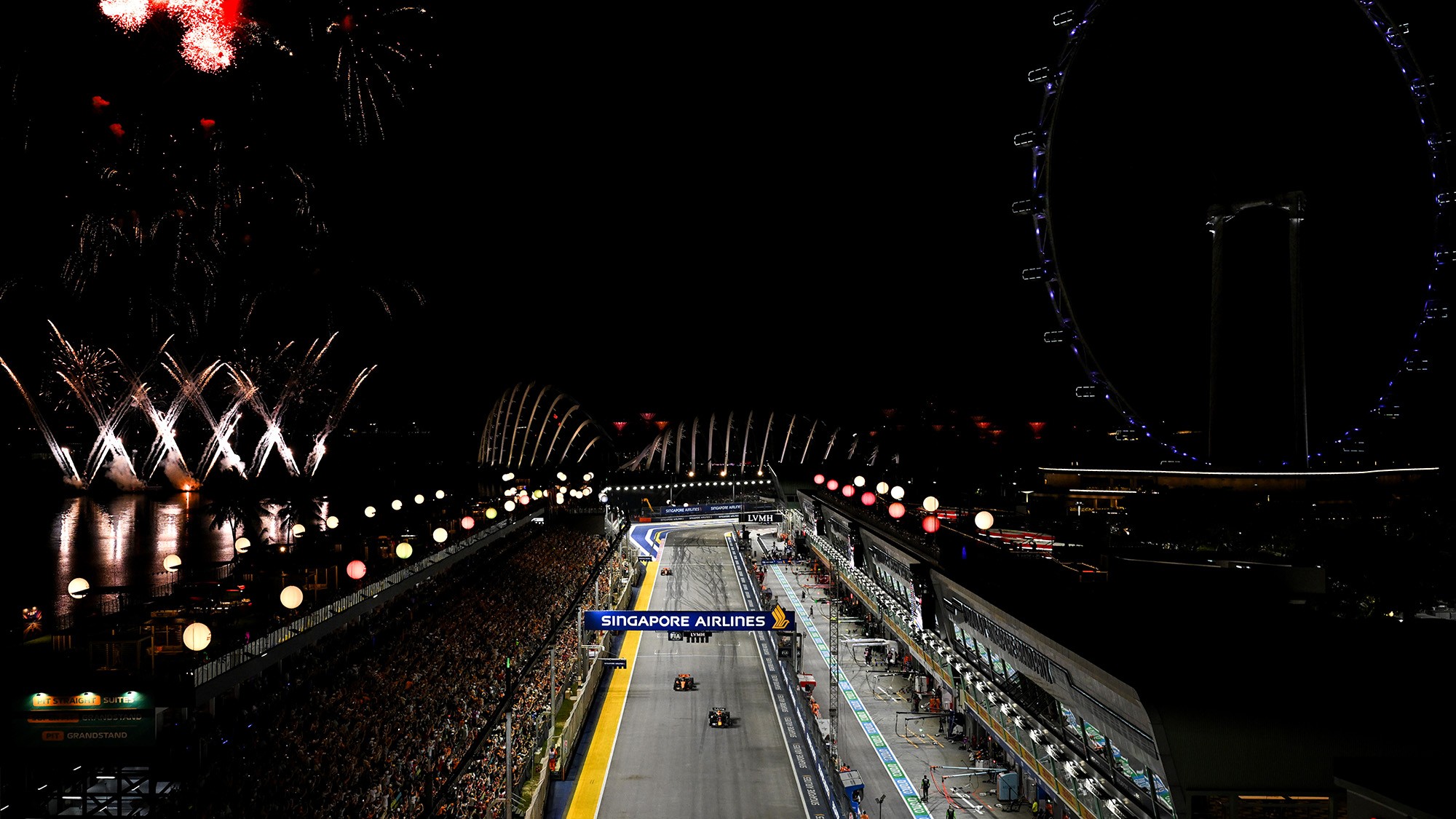
McLaren published its Singapore Grand Prix preview on 6 October 2026. Marina Bay hosted its first Sprint weekend on 9–11 October. After Azerbaijan and the Bahrain Grand Prix held in Malaysia, the team wanted to extract more performance from the MCL40, with cooling, bumps and slow right-angle corners central to its preparation.
Cooling and ride performance shape the setup
Neil Houldey, Technical Director, Applied Engineering, highlighted the cooling demands on the engine, gearbox, brakes and driver. Racing at night still required thermal preparation, with the setup needing to keep these elements working throughout the race.
Houldey also described the balance between keeping the car in its aerodynamic operating window and riding bumps and kerbs effectively. The car’s height and attitude affect airflow, while an uneven surface disturbs that attitude. Both demands have to be addressed within the same setup.
He acknowledged that McLaren had left performance untapped at the previous two events and that Marina Bay’s slow, 90-degree corners might prove less suitable for the MCL40. Lando Norris had finished ninth and Oscar Piastri sixth at the previous round. Analysing those races and extracting the existing car’s potential formed the team’s approach to Singapore.
Ride height helps explain the compromise. Running the car lower can aid aerodynamic downforce, while suspension compression at speed and through corners reduces the clearance further. Sudden bumps or kerbs can then bring the underside into contact with the track, known as bottoming out. The setup has to accommodate the actual surface.
The Sprint format provided just one hour of free practice before Sprint Qualifying. Houldey therefore emphasised preparation before arrival, with a clear plan and the flexibility to respond to track evolution, Safety Cars and incidents.
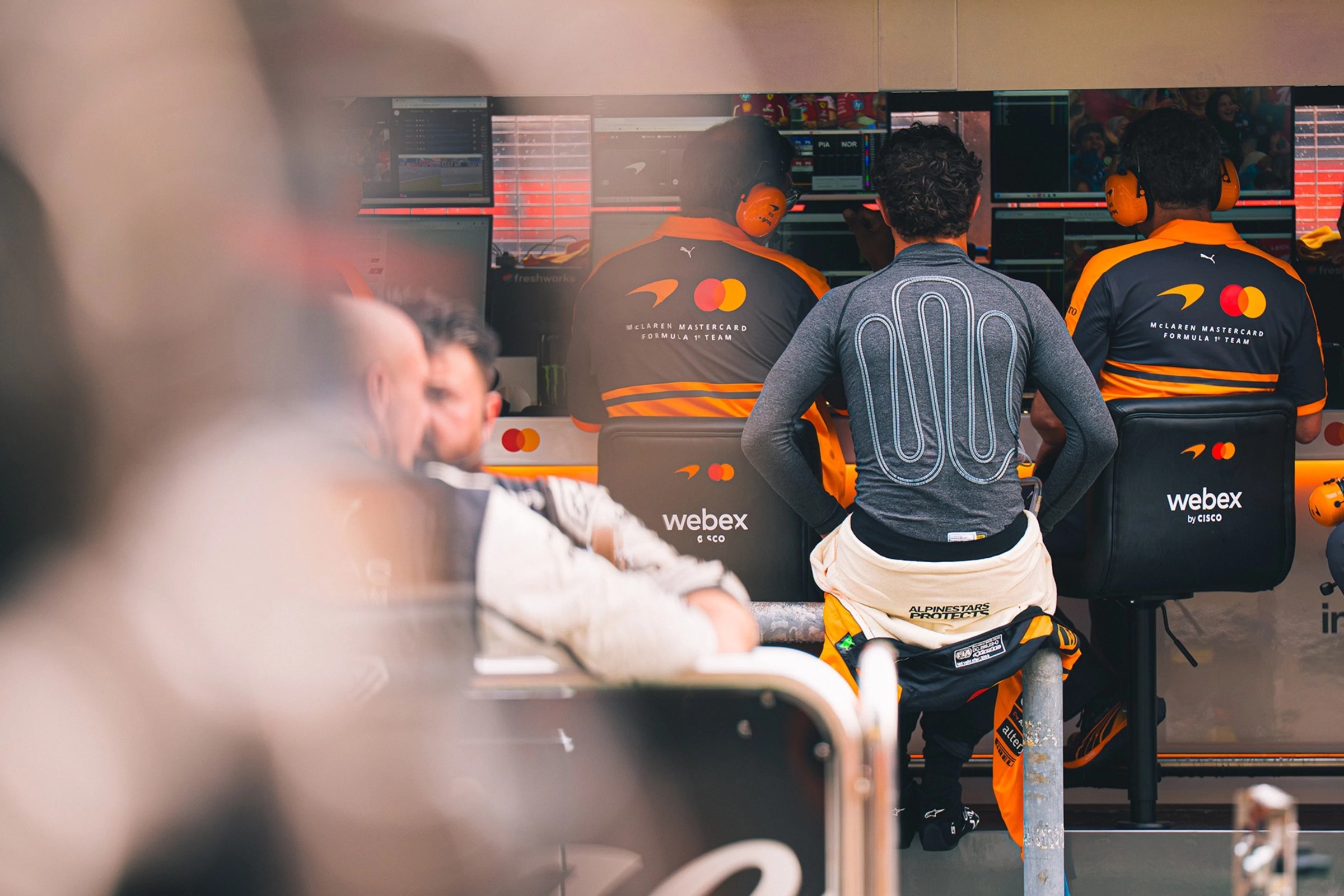
The planned schedule and qualifying-time change
Beijing and Singapore both use UTC+8. The table shows the planned times and the later change. On 10 October, the stewards issued the third timetable version, moving Grand Prix Qualifying from 21:00 to 21:30.
| Date | Session | Beijing time, including later change |
|---|---|---|
| Friday 9 October | Free Practice | 16:30 |
| Friday 9 October | Sprint Qualifying | 20:30 |
| Saturday 10 October | Sprint | 17:00 |
| Saturday 10 October | Grand Prix Qualifying | 21:00 → 21:30 (changed 10 October) |
| Sunday 11 October | Grand Prix | 20:00 |
Driver feedback after the 11 October race
In the Grand Prix on 11 October, Norris started fifth and finished fourth. Piastri started sixth and finished fifth. Each gained one place relative to his starting position.
Norris still found the car difficult to drive. Piastri welcomed his improving comfort in the car across the triple-header, while saying it still needed a substantial pace gain to fight for podiums and wins.
INKA SPORTS Analysis and conclusion, setup choices and outright pace
Providing more clearance for bumps and kerbs also changes the conditions in which the aerodynamic surfaces operate. Clearance and aerodynamic performance therefore need to be assessed together. Houldey’s balance calls for a car attitude that accommodates the uneven surface while allowing the driver to use the available grip consistently.
A single practice session reduces the time available to compare setups. Pre-event analysis must help establish a baseline and priorities for running, which can then be refined through track feedback. Houldey’s emphasis on both planning and adaptability reflects the changing conditions that still have to be addressed within that limited running.
The feedback focused the development task. Piastri’s improving comfort across the triple-header coexisted with a need for greater pace in Singapore. Driveability and outright speed both remained priorities for the MCL40.