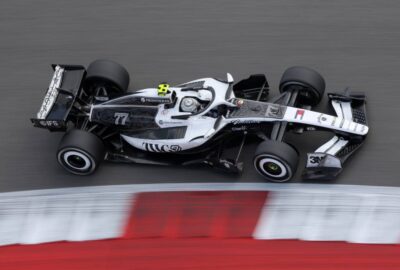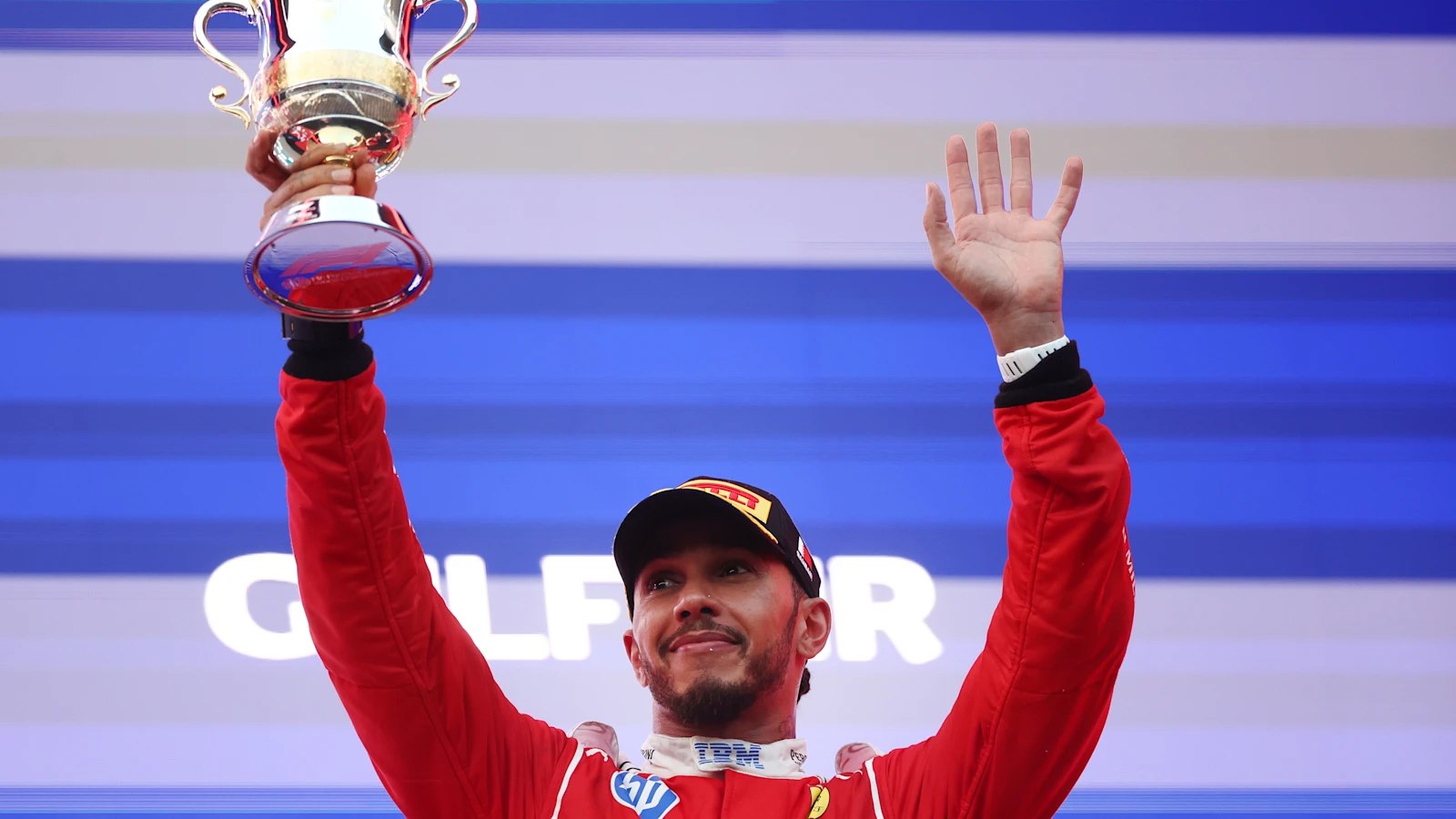
Both Ferraris paid for starting on softs in the F1 Bahrain Grand Prix at Sepang, Malaysia, on October 4, but followed different recovery paths. Hamilton started second, fell as low as 17th and eventually reached the podium. Leclerc dropped to last after contact, a puncture and front-wing repairs, then recovered to fourth. Their combined 27 points rescued the result while leaving decisions and car performance to be reviewed separately.
Hamilton: staying out after falling back, while accepting the soft start was wrong
According to his post-race interview on the F1 website, the track remained too slippery at the actual start, leaving Hamilton around a minute behind the leading group on the first lap. The team proposed changing tyres, but he chose to stay out and wait for the track to dry. Starting on softs and subsequently persisting with them were two successive decisions. Hamilton admitted the opening choice was wrong, while still believing the gamble worth continuing once he had fallen behind.
Hamilton described third as bittersweet: the result was welcome, but he had not fully exploited the opportunity of qualifying second. He was more positive about his feel for the car and weekend preparation, praising the engineers, mechanics and pit-stop execution. He considered it one of his better weekends since joining Ferrari and hoped to carry that form forward.
Leclerc: a front-wing repair as well as a tyre change
In his post-race feedback, Leclerc explained that first-lap contact with Hulkenberg caused a puncture and front-wing damage. His stop involved both fitting intermediates and replacing the wing, and he rejoined last. Beyond the initial tyre judgment, he had damage that required attention. Staying out to wait for a drying track could not substitute for that repair.
Leclerc felt repeated problems in the first half gave way to a more favourable second half, with fourth the best available result. He did not equate the recovery with a good feeling in the car, however: its performance lacked consistency, making it difficult to use its full potential continuously. That contrasted with Hamilton’s more positive assessment.
Why gamble on slicks, and how did the recovery unfold?
Published on the F1 website on October 5, Vasseur’s post-race review added context to the starting decision. Ferrari expected the surface to dry quickly and weighed an estimated pit-stop loss of about 26 seconds. Drying proved slower than expected, increasing the cost of remaining on slicks. Vasseur admitted intermediates would have been better at the start. The 26 seconds referred to his estimated pit-stop time loss; Leclerc also had the separate front-wing repair.
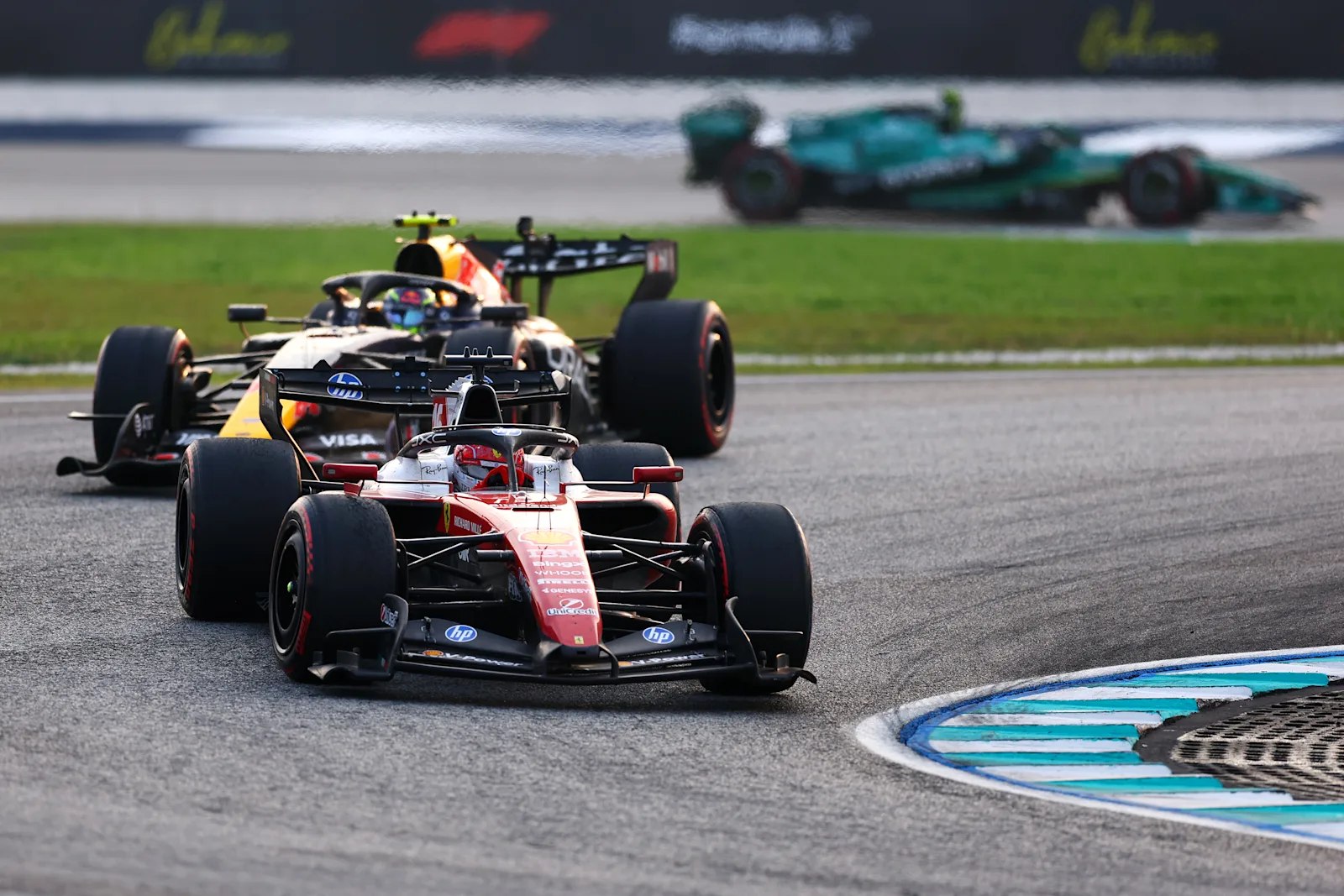
Vasseur also praised Hamilton’s soft-tyre management, saying he could still produce good lap times at the end of the opening stint. He noted that track temperatures had been about 60°C in practice and were around 30°C lower in the race, a major change in conditions. That was the team principal’s description of the day’s environment and also suggests assessing front-running qualifying and race pace within their respective conditions.
According to the official F1 race report, Hamilton had already caught Hadjar to fight for fourth before the final Safety Car. Russell subsequently retired, leaving Hadjar third at the restart with both Ferraris directly behind. Hamilton passed him at Turn 1, and Leclerc followed at the start of the next lap. The official race results confirmed third and fourth brought Ferrari 15 and 12 points respectively.
Comparing the two Ferraris’ recoveries
| Driver | Main early loss | Finishing result |
|---|---|---|
| Hamilton | Fell to 17th after starting on softs; chose to stay out | Third, 15 points |
| Leclerc | Puncture and front-wing damage after contact; last after repairs | Fourth, 12 points |
INKA SPORTS analysis: separating recovery ability from the opening mistake
The starting gamble’s reward depended on the surface drying soon enough to suit softs; a pit-stop loss of about 26 seconds was only one side of the calculation. Ferrari underestimated the wet phase’s duration, making the opening judgment wrong. Once Hamilton was already behind, whether staying out could help recover the loss still depended on subsequent drying and tyre performance. Leclerc first had to repair his car, leaving the drivers with different options. Third and fourth cannot retrospectively prove the initial choice correct or directly rank their recovery approaches.
Ferrari’s recovery involved its own speed and changed conditions for the closing battle. Hamilton had caught Hadjar before the Safety Car, showing the pursuit was not solely a product of the field regrouping. The Safety Car and Russell’s retirement then put both cars directly into a fight for third at the restart. In his post-race feedback, Hadjar also mentioned low energy in the first two laps making defence difficult. Those factors combined to enable the final two passes. The podium cannot be credited entirely to persisting with softs.
Hamilton’s positive feeling, pace late in the first soft stint and pursuit before the Safety Car support Ferrari having the race speed needed to recover. Leclerc, however, reported inconsistency despite taking fourth, showing that improved results and both drivers performing consistently are different things. A more meaningful comparison is whether both cars can deliver repeatedly in the same race phase, rather than simply finishing in adjacent positions.
Conclusion
Ferrari’s positives from Sepang are recovery pace after setbacks and Hamilton’s long-stint tyre management, both supported by actual performance. It needs to improve its initial judgment of drying speed and the consistency with which Leclerc can use the car’s potential. Third and fourth recovered points without solving those two problems. Further review should separately examine the basis for wet-start decisions and both cars’ sustained performance, to establish whether that recovery ability can produce races with fewer losses.