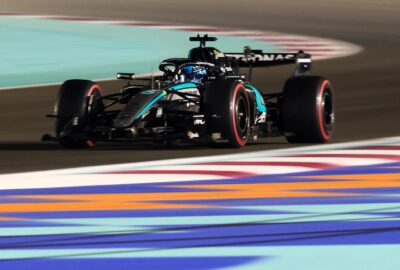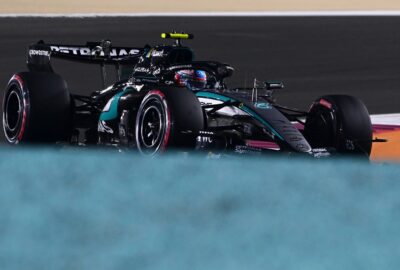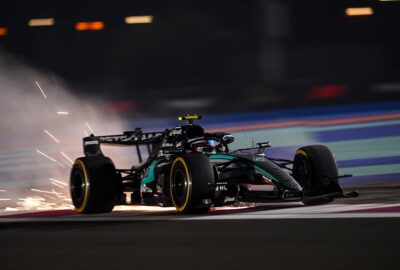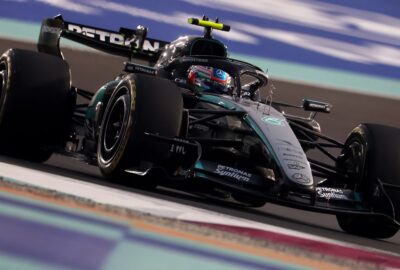
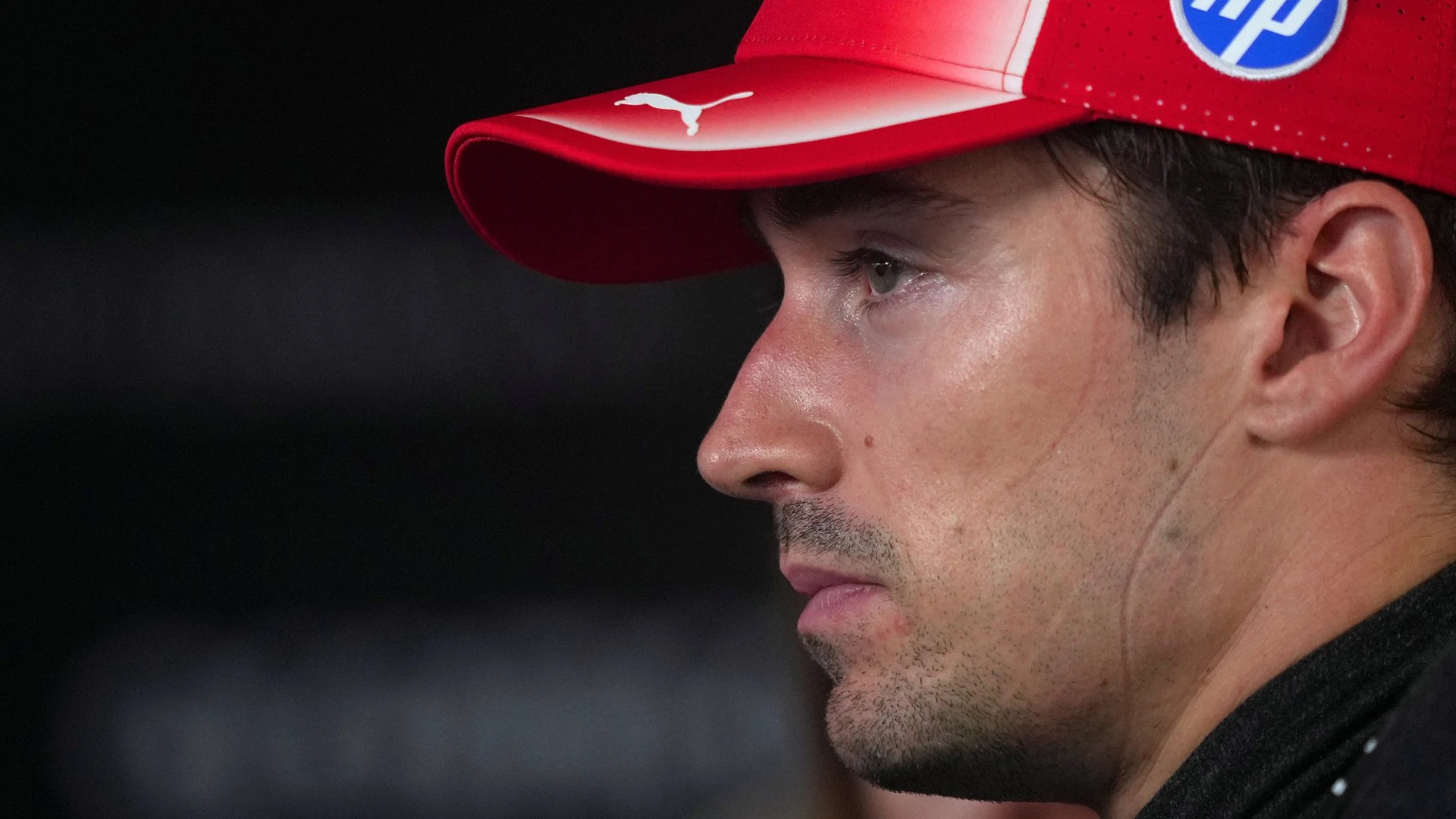
Reviewing the Bahrain Grand Prix, Round 16 of the 2026 F1 season held at Sepang in Malaysia on 4 October, Charles Leclerc described a driving concern that remained after the software fix. Once the pre-start failure to accelerate had been addressed, he remained concerned about power response on normal corner exits, meaning how the car accelerates after a throttle input. He said it sometimes delivered more or less power than expected, making driving harder in a wet race when the car ahead was obscured.
Slowing in spray was initially interpreted as tyre warming
Leclerc recalled that spray prevented him from seeing the Safety Car. He initially thought Max Verstappen was dropping back to warm his tyres. Radio messages then suggested the car ahead might have a problem. After Verstappen resumed, Lewis Hamilton slowed. Only when Leclerc pressed his own throttle did he discover that the No. 16 Ferrari also could not accelerate normally. He recalled travelling at about 20km/h and realising that several cars had the same problem.
The low-speed software fault and the update at the circuit
FIA single-seater director Nikolas Tombazis explained that a software bug trapped some cars in a loop that prevented renewed acceleration after they slowed to very low speeds on the formation lap. He said there had been little actual wet-weather testing that year, and this combination of conditions exposed an issue they had previously missed.
Tombazis said the personnel at the circuit quickly identified the problem, prepared a software update and issued it for teams to install. The race subsequently resumed, and Leclerc finished fourth. The response is covered in our report on the FIA explanation.
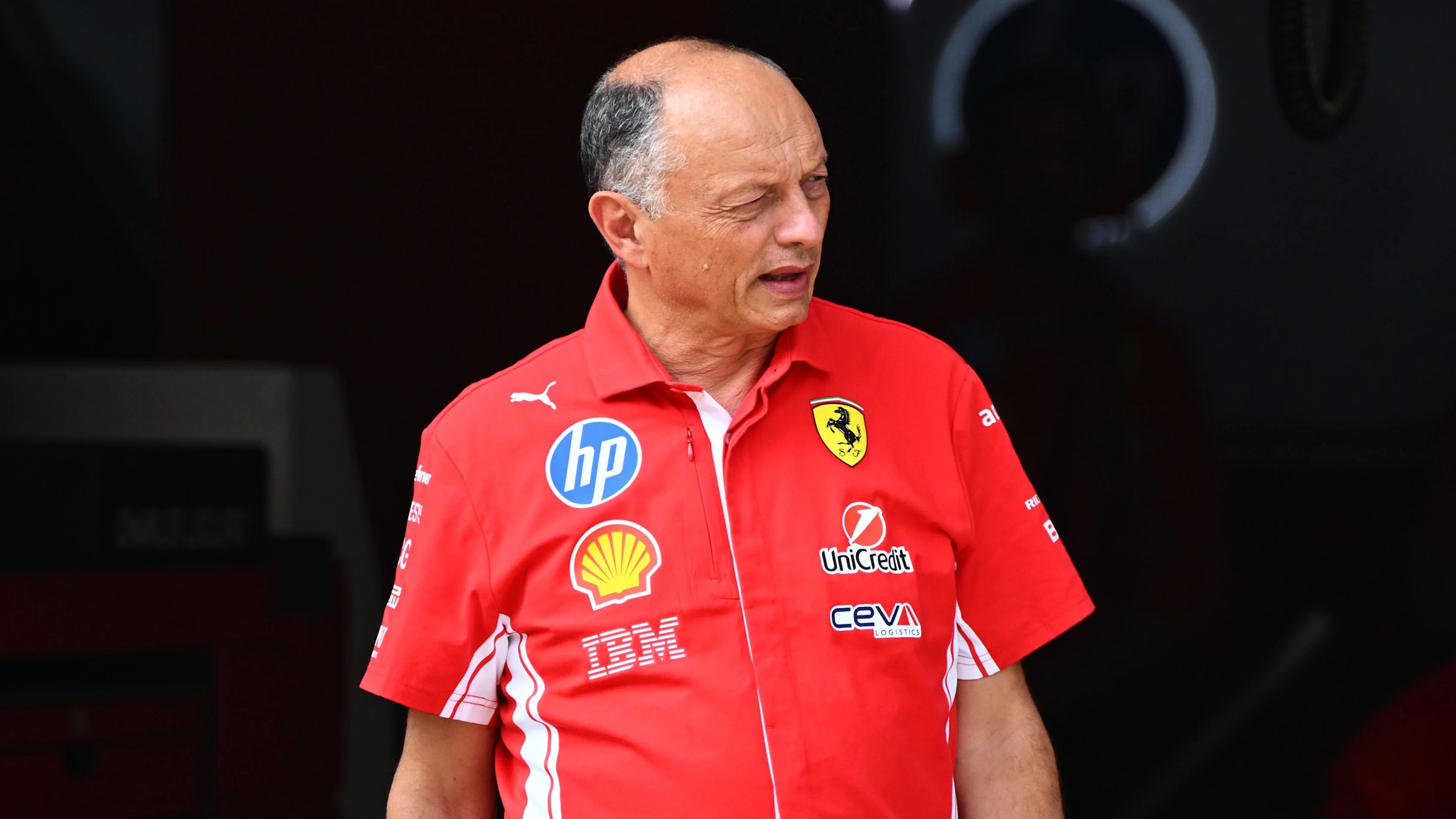
Power on normal corner exits could still differ from expectations
Discussing normal corner exits, Leclerc said the car could deliver more or less power than he expected, leaving the driver without complete control of the power available. He connected that feeling with poor visibility and the risk of a serious collision in spray like that at the start.
Asked whether the incident confirmed his concerns about the power-unit rules, Leclerc said he wanted the issues resolved while choosing his words carefully. In his view, the deeper problems stemmed from decisions made earlier, so changing them would take time and would be difficult to accomplish in the short term.
INKA SPORTS Analysis and conclusion, why spray makes predictable acceleration more important
When spray hides the road ahead, drivers need their sense of acceleration to control the gap. More power than expected could close the distance to the car ahead faster. Less could allow the following car to approach more quickly. Leclerc initially interpreted the slowing ahead as tyre warming before discovering the acceleration fault. That sequence illustrates how restricted vision and an unexpected car response can make judging relative movement more difficult.
Leclerc wanted the car to accelerate as expected when he pressed the throttle. The update restored running after this particular fault, and his subsequent feedback brought attention back to the power variation on each corner exit. Heavier spray increases the need to estimate distances without a clear view of the car ahead, making predictable acceleration especially important.