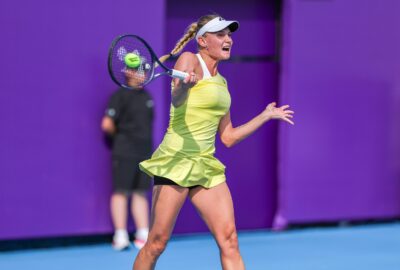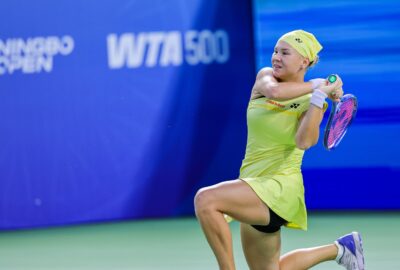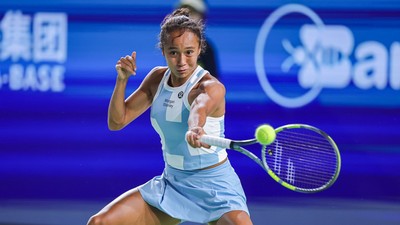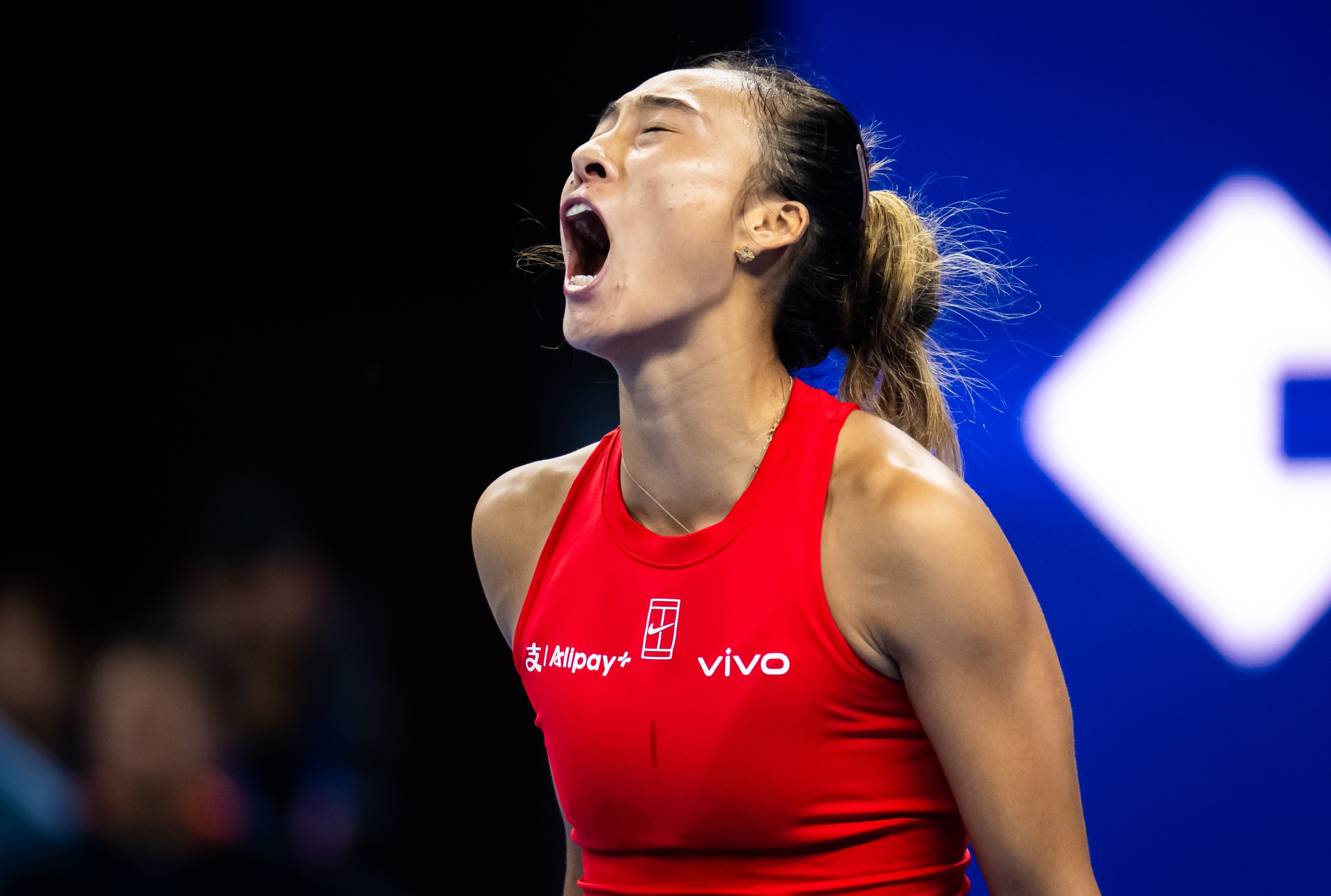
Zheng Qinwen defeated sixth seed Elina Svitolina 6–3, 7–6 in the China Open women’s singles quarter-finals on October 9, winning in one hour and 47 minutes. Later, Elise Mertens beat eighth seed Iga Świątek 7–6, 6–3. Zheng and Mertens will meet in the semi-finals.
Zheng seals victory with an 8–6 tie-break
Zheng broke serve early to take a 2–0 lead and went on to win the first set 6–3. Both players held every service game in the second set, taking it to a tie-break, the short game used to decide a set when the score reaches 6–6. Zheng won it 8–6, converting her second match point to close out the match.
In a post-match interview published by the WTA, Zheng said she had continued to play boldly at the important moments and was pleased to have hit plenty of winners. She also linked her recent form to a period of intensive training before the US Open. She felt that dealing with demanding physical and mental requirements meant accepting the situation and focusing on the present. She has now won 12 of her past 13 tour matches.
This is Zheng’s fourth career WTA 1000 semi-final and her third at an event of that level in China, after Beijing and Wuhan in 2024. Playing this year’s China Open on a wild card, she carried the momentum from her three-set victory in the previous round into the quarter-finals.
Mertens faces no break points as she continues her run against Grand Slam champions
Mertens and Świątek held serve throughout the first set before Mertens won the tie-break 7–0. In the second set, Mertens broke for a 3–1 lead and then held to make it 4–1. Although she fell 0–30 behind in the final game, she won four consecutive points to complete the victory in one hour and 50 minutes.
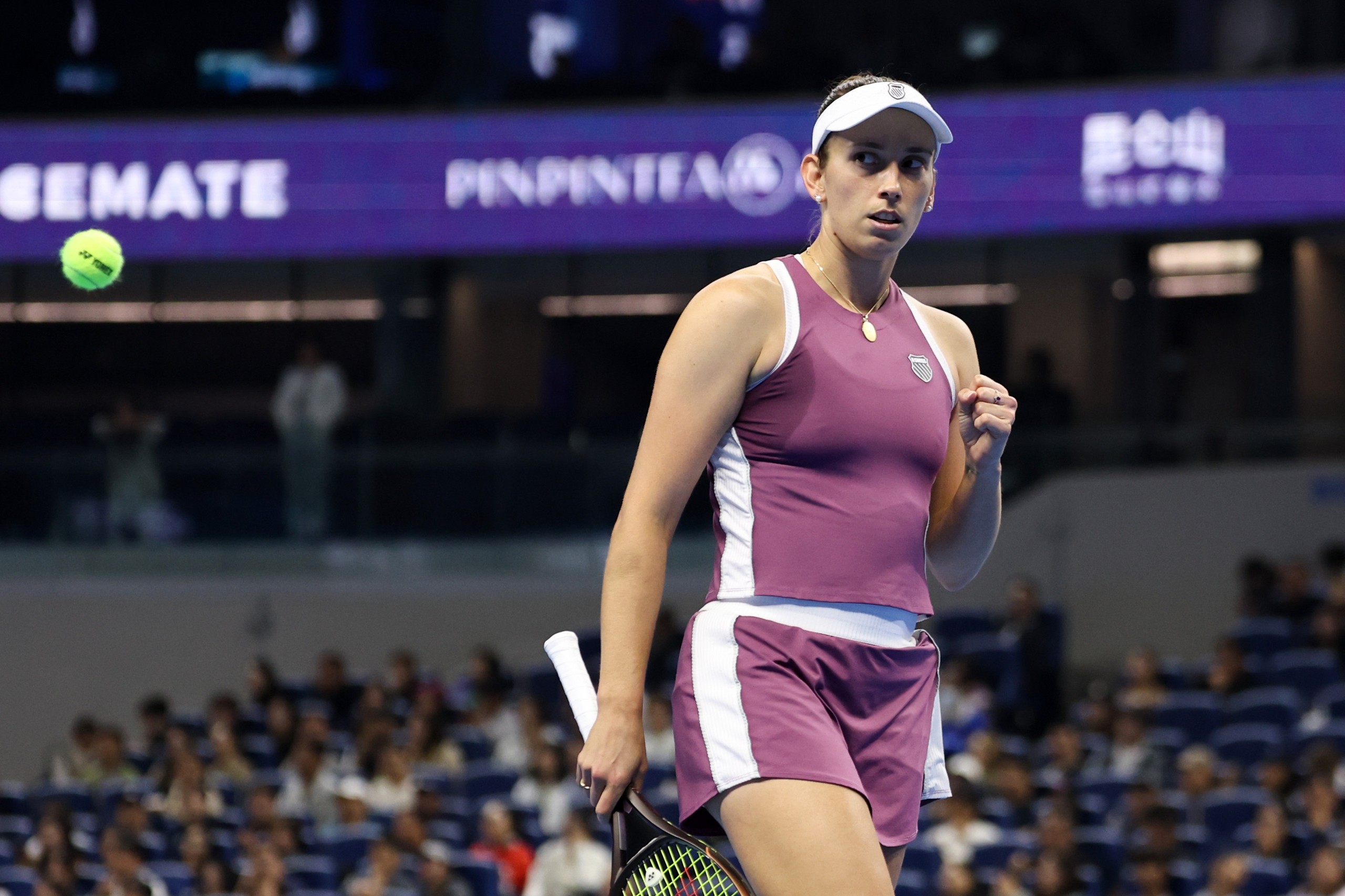
In the victory, Mertens won approximately 87% of her first-serve points, taking 33 out of 38. She hit 24 winners and made only 11 unforced errors, without allowing her opponent a single break point. A break point is an opportunity for the receiving player to win the opponent’s service game by taking the next point.
Mertens had already beaten Ostapenko and Gauff in successive rounds. Defeating Świątek meant she had eliminated Grand Slam champions in three consecutive rounds to reach the China Open semi-finals for the first time. She and Zheng had met once before, in a three-set match at Charleston in 2025 that Zheng won.
Results of the two quarter-finals on October 9
| Winner | Opponent | First set | Second set | Duration |
|---|---|---|---|---|
| Zheng Qinwen | Elina Svitolina | 6–3 | 7–6 (tie-break 8–6) | 1 hour 47 minutes |
| Elise Mertens | Iga Świątek | 7–6 (tie-break 7–0) | 6–3 | 1 hour 50 minutes |
INKA SPORTS analysis: reliable service games leave a few key points to decide the outcome
Both matches included a full set without a break of serve, but the tie-breaks played different roles. Having already won the opening set, Zheng took the second-set tie-break 8–6 to finish the match and avoid a deciding set. Mertens won the first-set tie-break 7–0 but still needed a break of serve in the second set to establish a lead and turn her one-set advantage into a match victory.
The more revealing question for the semi-final is whether Zheng can create opportunities in her return games against Mertens’ recently dependable serve. Against Świątek, Mertens won approximately 87% of her first-serve points, 33 out of 38, and faced no break points, showing how few openings she gave the returner in that quarter-final. If Zheng can take more return games to deuce or earn break points, Mertens will face a different challenge from the one she encountered in that quarter-final.
Conclusion
Zheng returned to the China Open’s last four with a straight-sets victory, while Mertens used reliable serving and strong play on key points to secure a third consecutive important win. The semi-final will show how Zheng’s recent willingness to attack on crucial points holds up against the ability to hold serve that Mertens has demonstrated.