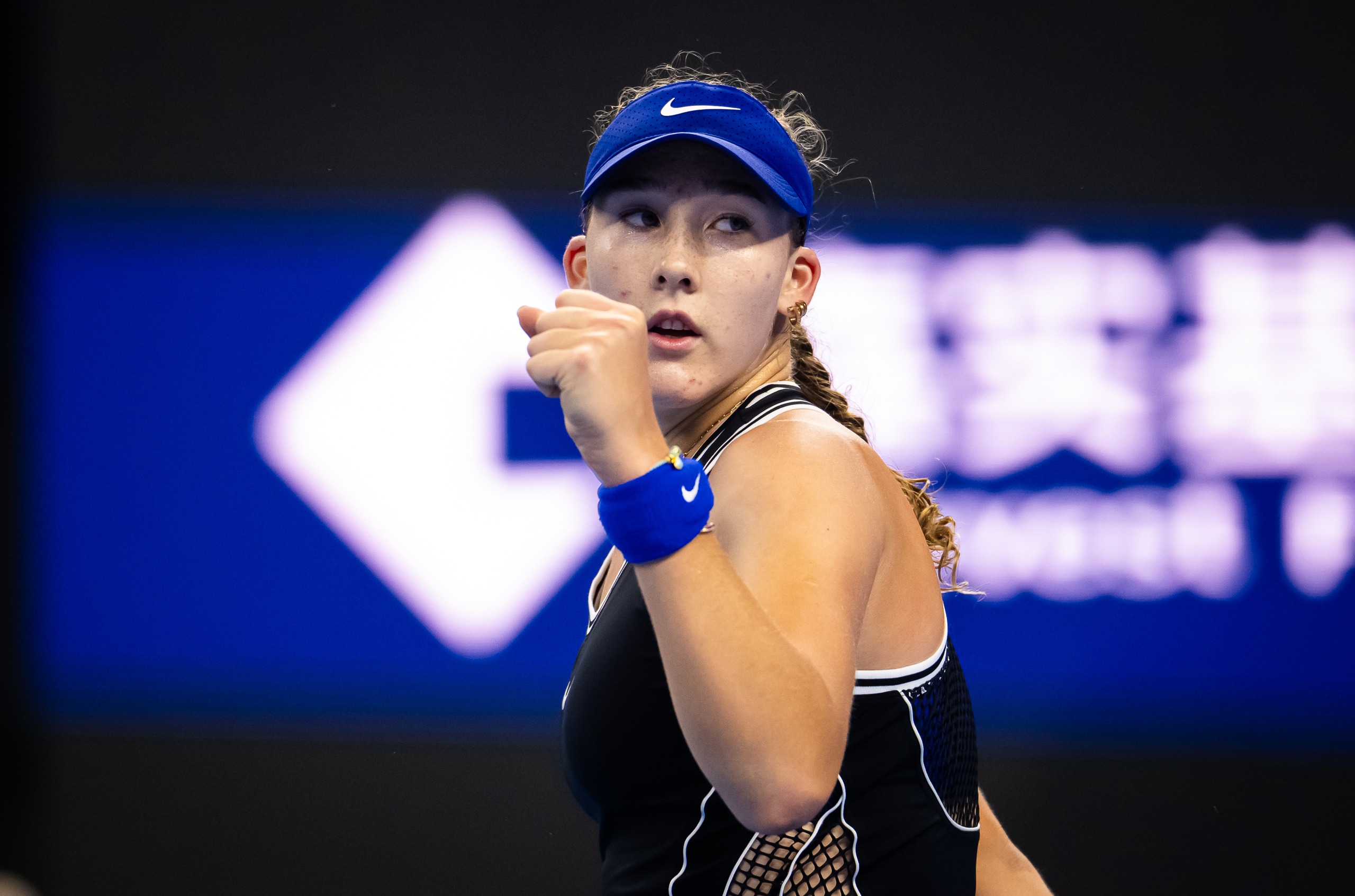
Fourth seed Mirra Andreeva beat 26th seed Nikola Bartunkova 6–2, 6–2 in 1 hour 14 minutes in the China Open women’s singles semi-final on October 10, reaching the final for the first time. The WTA confirmed that the victory would also take her to a career-high world number three in the following week’s rankings.
Five conversions from ten chances make returning decisive
Andreeva hit 16 winners and made 10 unforced errors, converting five of ten break-point opportunities. A break means winning a game on the opponent’s serve. Repeated success in that area built the advantage behind the identical 6–2 set scores.
Speaking to the media afterwards, she said she and her team had worked consistently on returning recently, aiming to pressure the server even against good serves. She felt the practice was gradually paying off and identified it as one of the priorities encouraged by her coach.
According to WTA statistics, Andreeva had broken serve 301 times in tour-level main draws this season, the highest total at that point.
A fifth final of the season, with a career-high ranking confirmed
This was also Andreeva’s 50th tour win of the season, matching Pegula’s total. Her fifth final of the year would put her level with Rybakina, Sabalenka and Pegula for the most. She had already secured qualification for the season-ending Finals the day before.
The other women’s singles semi-final pitted Zheng Qinwen against Elise Mertens, with the winner to face Andreeva for the title on Sunday. In her post-match preview, Andreeva noted the different styles of her potential opponents and said she and her team would prepare accordingly.
Women’s singles semi-final result
| Player | First set | Second set | Result |
|---|---|---|---|
| Mirra Andreeva | 6 | 6 | Won; advances to final |
| Nikola Bartunkova | 2 | 2 | Lost; eliminated in semi-finals |
INKA SPORTS analysis: winning five of eight return games
The two sets comprised 16 games. Andreeva won 5 of her 8 return games, taking more than half her opponent’s service games. The ten break opportunities count individual break points; multiple break points can occur within the same game.
Conclusion
Andreeva earned a place in the final through sustained return pressure, adding to her season win total and securing further ranking progress. World number three will be reflected in next week’s rankings, while the China Open title must still be earned in the final. Whether she can keep creating enough break opportunities against a new opponent will be a point to watch.