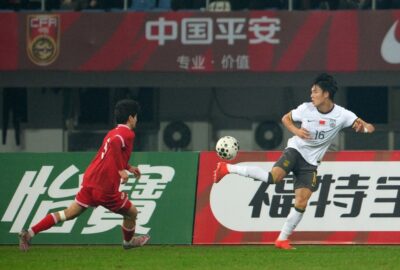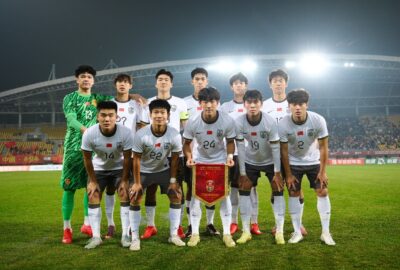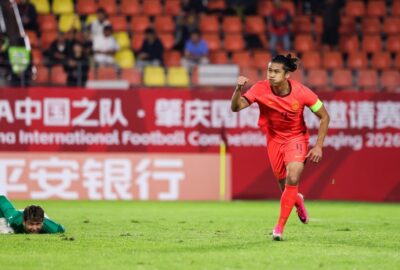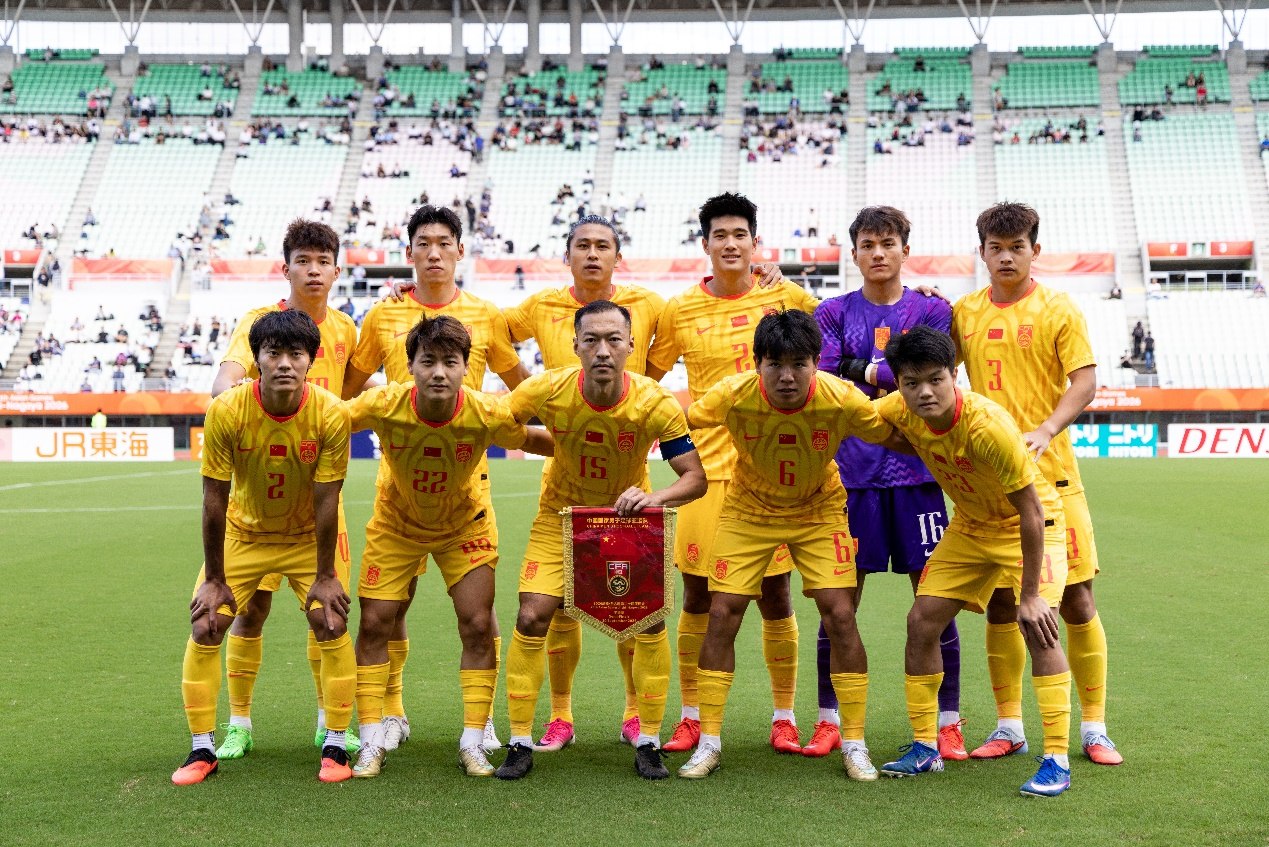
China lost 2–1 to South Korea in the men’s football semi-final of the 2026 Aichi-Nagoya Asian Games. The match kicked off at Nagai Stadium in Osaka at 3 pm local time on September 30. Wang Yudong put China ahead, but South Korea scored twice with headers. Mao Weijie suffered a left ankle ligament injury according to a preliminary diagnosis and was expected to miss the bronze-medal match.
China reach the last four and take the lead
China beat North Korea 2–1, drew 0–0 with Iran and the United Arab Emirates, and topped their group with five points. They then beat Thailand 3–0. It was China’s first Asian Games men’s football semi-final in 28 years and their first since the tournament introduced age limits.
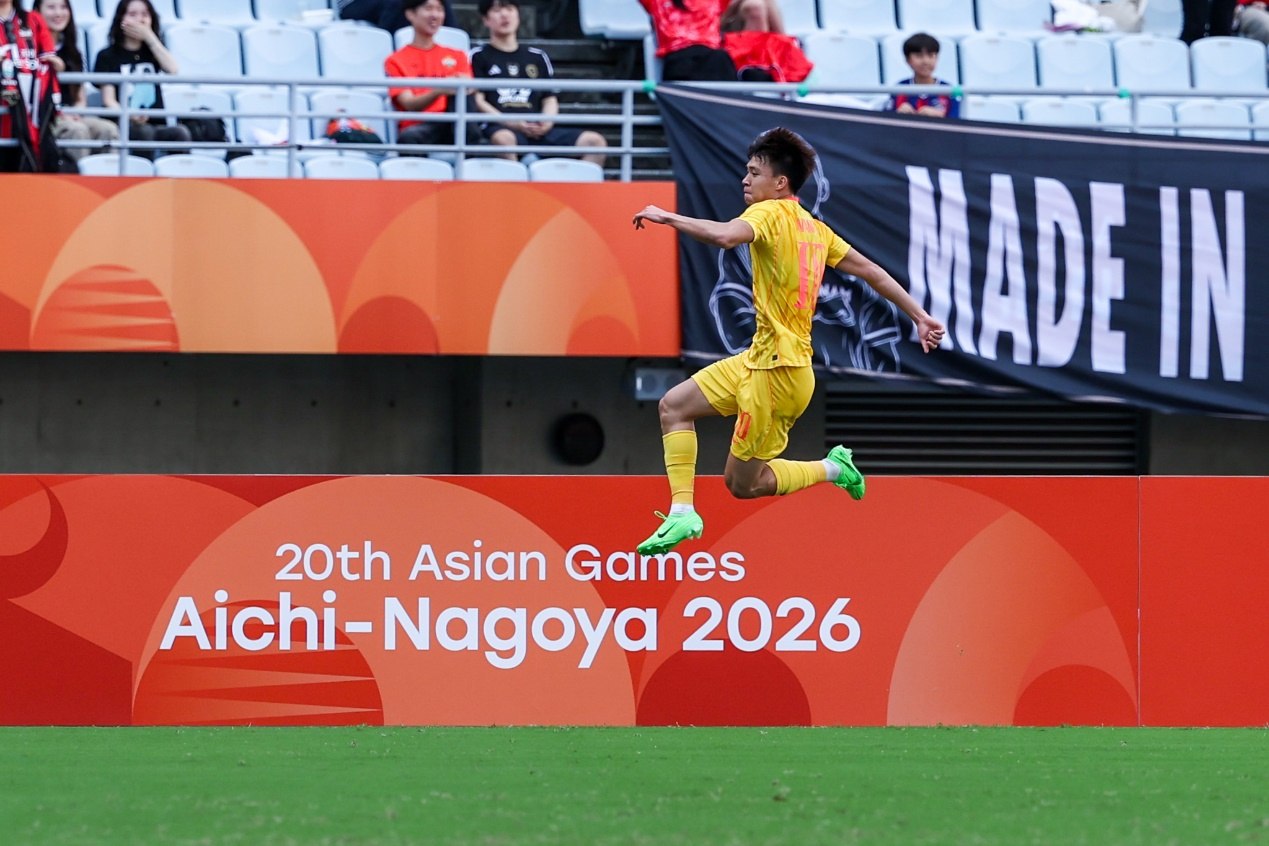
Li Hao saved a header from Lee Hyun-ju in the 16th minute. Six minutes later, Mao played a long pass from the centre circle. Wang controlled it on his chest and beat goalkeeper Kim Jun-hong with a low shot from the left of the box.
Two deliveries from Eom turn the match
South Korea equalised in the 33rd minute. Eom Ji-sung swung in a corner from the left and Lee Young-jun headed in off the inside of the left post from the edge of the six-yard box. It was 1–1 at half-time. After the break Kim stopped Wang twice, in the 47th and 65th minutes. A cross from Mutellip Iminqari then nearly forced an own goal.
In the 82nd minute, Eom crossed from the inside-left channel and Bae Jun-ho headed the winner from the right side of the six-yard box. China sent on Yimulan Maimaiti and Behram Abduweli, but the score stayed 2–1.
Where the two headers came from
| Minute | Delivery | Finishing position | Scorer |
|---|---|---|---|
| 33rd | Eom Ji-sung corner from the left | Edge of the six-yard box | Lee Young-jun |
| 82nd | Eom Ji-sung cross from inside left | Right side of the six-yard box | Bae Jun-ho |
Mao’s injury and the bronze-medal match
Mao went off after being injured in a challenge. A local hospital’s initial diagnosis was damage to the ligaments in his left ankle. China said on October 1 that he was expected to miss the bronze-medal match on October 3 at 3 pm Japan time. In the other semi-final on September 30, Japan and Uzbekistan were level at 1–1 after extra time. Japan won the shootout 9–8, leaving Uzbekistan to face China for bronze. Coach Antonio Puche said the immediate priority was helping his players recover before they played for a medal.
INKA SPORTS analysis: The same flank, two different targets
Both deliveries came from the left, but they reached different parts of the goalmouth. Lee attacked a corner at the edge of the six-yard box. Bae met a cross in open play on the far side. China could set their positions before the corner. For the second goal, the defence had to shift with play and keep track of a runner away from the ball.
Mao’s pass and Wang’s finish showed how China could connect midfield to the penalty area. Against Thailand, Hu Hetao had followed up an aerial challenge and Zhang Yuning had converted Zhu Chenjie’s headed pass. With Mao expected to miss the next game, the question for China was how to maintain the link between forward passes and runners arriving in front of goal.