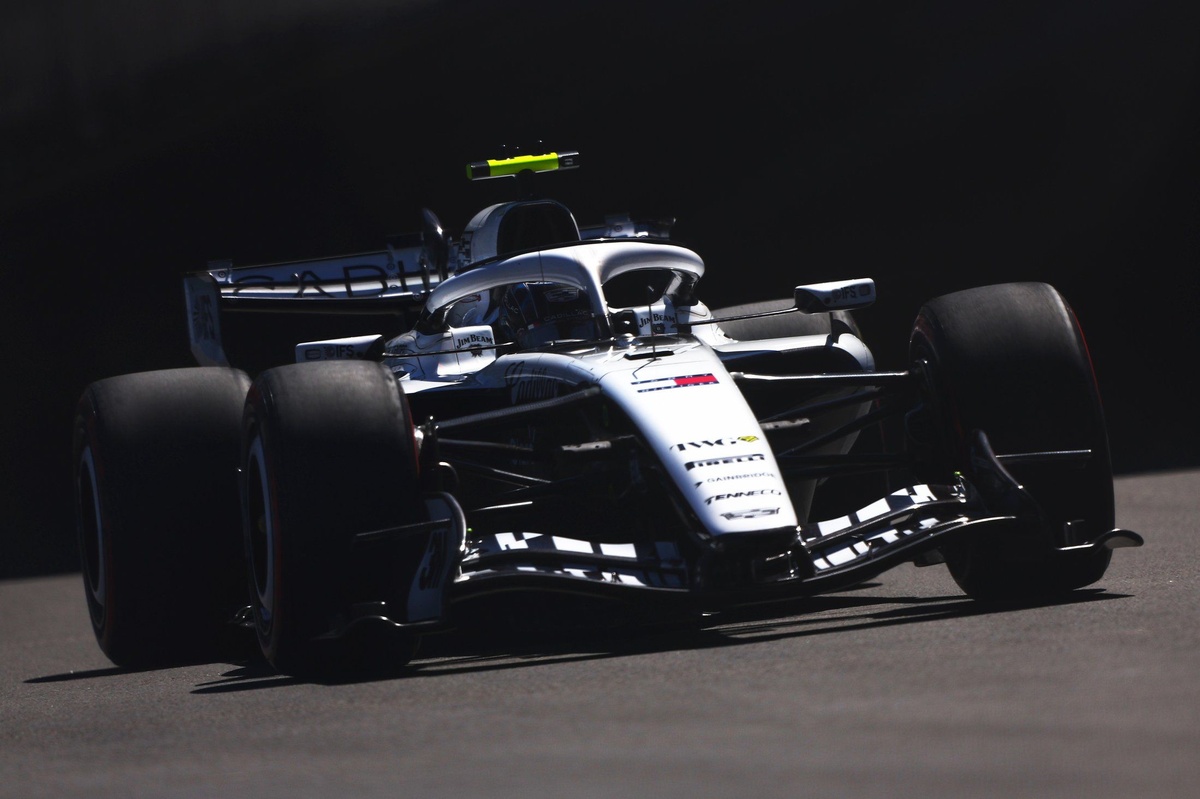
The Formula 1 Spanish Grand Prix on September 13 offered Cadillac an encouraging signal: Sergio Perez believed he could stay with Alex Albon and was faster in the second tyre stint. Yet Perez did not finish, and team-mate Valtteri Bottas was less positive about his tyres and brakes. Assessing whether the teams were becoming comparable requires a distinction between pace over a short run and the outcome of a full race.
The advantage was in selected laps
Perez and Albon followed the same tyre sequence, starting on mediums and switching to hards during the Virtual Safety Car. Their comparison used 11 representative laps from the first stint and eight from the second. Perez averaged 0.403 seconds a lap slower in the first sample and 0.351 seconds faster in the second. These were averages of selected laps, not of the complete stints.
Perez said he had generally stayed within one or two seconds of Albon before his problem, pushing both car and brakes to their limits. A technical issue and blue flags requiring him to let lapping cars through subsequently affected his pace. He retired with a suspected water-system problem; the official result recorded 31 completed laps and a DNF, preventing him from sustaining the earlier performance to the finish.
Two Cadillacs and a limited benchmark
Bottas completed 54 laps in 18th place, three laps behind the winner. He felt his tyre degradation was worse than that of his rivals and had to manage brake temperatures throughout, repeatedly lifting off before braking and coasting. This reduces the braking demand but also means the driver cannot always follow the ideal attacking rhythm.
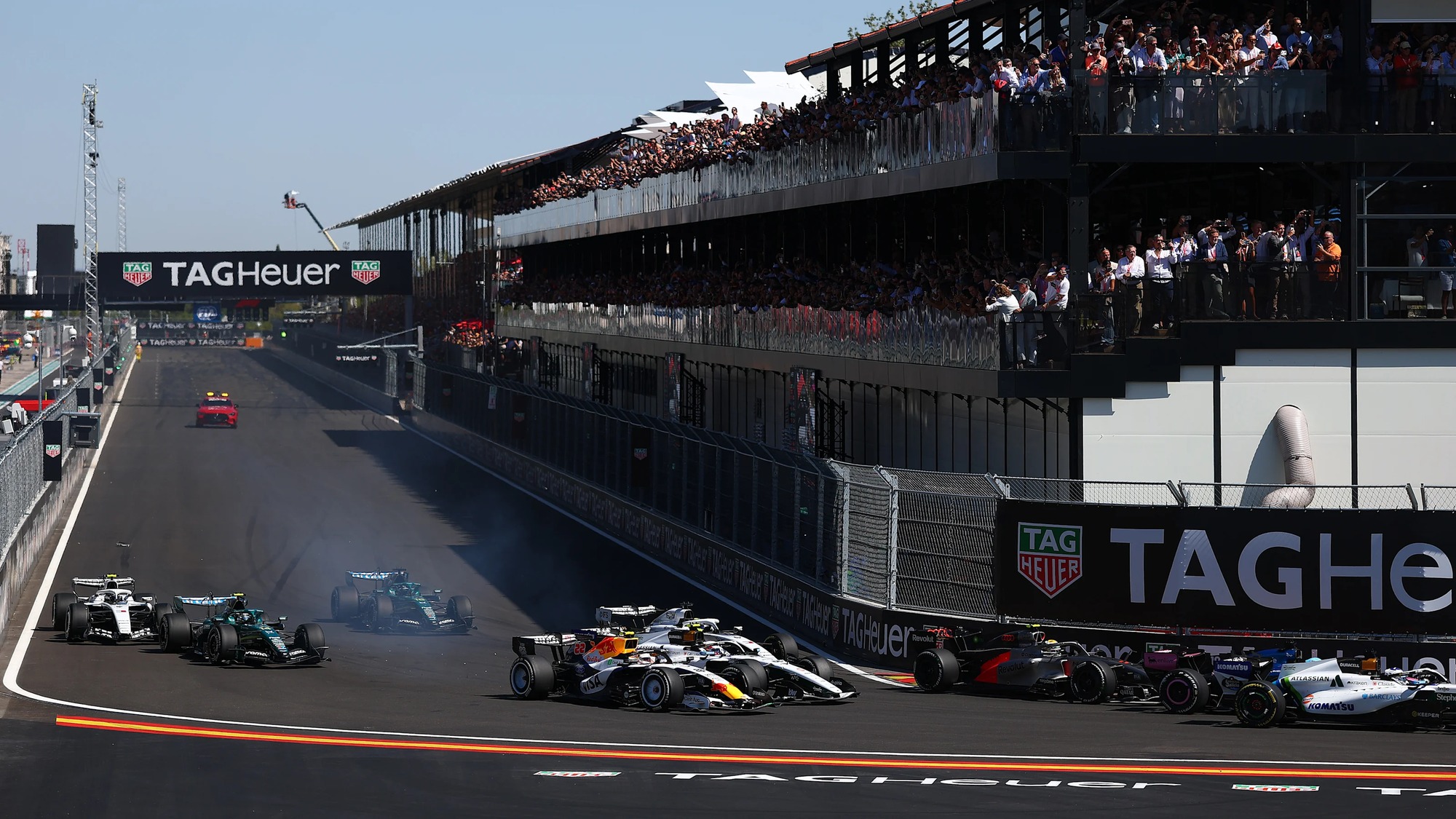
Albon finished 15th and acknowledged that Williams remained behind the midfield. Team principal James Vowles also said the car lacked pace that weekend. Perez was therefore matching a Williams that was struggling at this particular event; the comparison does not itself establish that Cadillac had caught other midfield teams.
INKA SPORTS Analysis and Summary: Why a quicker spell is not parity
Matching tyre sequences and pit windows remove some differences from the comparison, making the samples more informative about those phases than finishing positions alone. The change from a deficit to an advantage supports the view that Perez could compete with Albon over the selected hard-tyre laps. The same strategy does not, however, guarantee identical tyre condition, traffic or set-up. Samples of 11 and eight laps neither represent the full stints nor isolate the performance benefit of the hard compound.
A separate test is how long that pace can last. Perez later faced a technical problem and blue flags; Bottas finished while managing temperatures and feeling his tyres deteriorate. Their circumstances differ and cannot substitute for one another or diagnose a single fault. Both nevertheless illustrate why converting a handful of quick laps into useful race-long performance requires consistency and reliability.
Madrid showed Cadillac could challenge Albon during parts of the race, without establishing parity between the teams overall. Further comparisons need complete long runs under similar conditions, particularly the later gaps and management demands. If an early advantage disappears or failures still end races prematurely, a favourable opening sample cannot demonstrate that Cadillac has caught up.