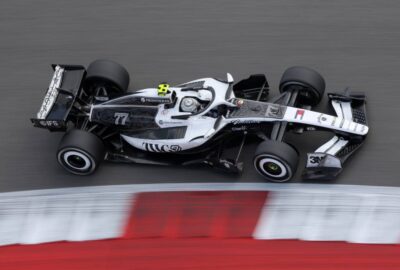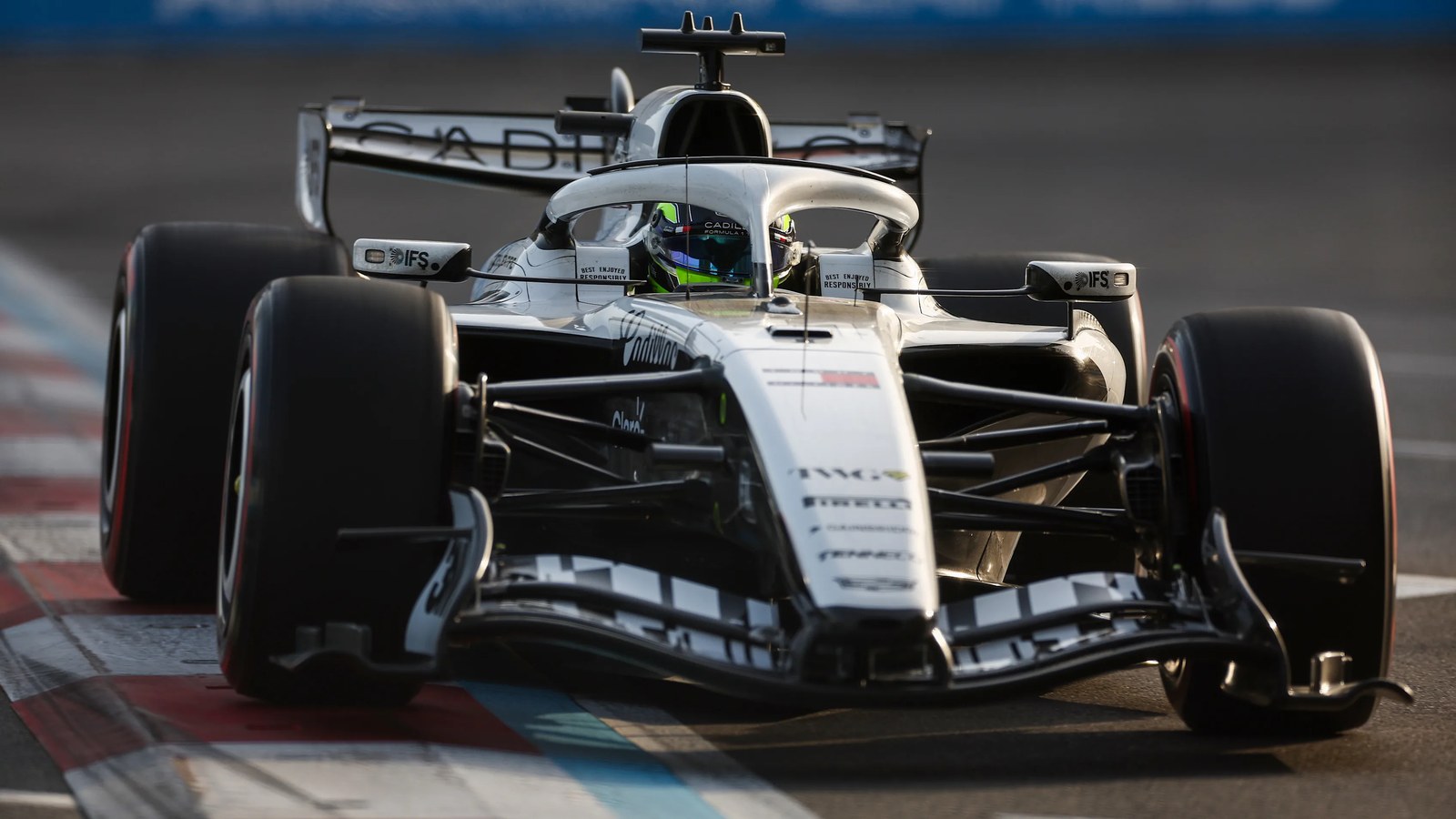
Cadillac F1 announced three technical appointments on 24 September: Craig Skinner will become Chief Development Engineer, Eric Blandin will become Head of Aerodynamics, and Tim Lean will become Chief Engineer for Aerodynamic Modelling and Simulation. The three will join over the coming months. For the team making its debut in 2026, the appointments cover the car-development process, the aerodynamics department and modelling and simulation, with distinct responsibilities for each recruit.
What the three roles cover
Skinner previously spent around 20 years at Red Bull, serving as Chief Designer and contributing during its run of championship success from 2021 to 2024. At Cadillac, his task will be to strengthen the links between car concept, design, analysis and delivery, focusing on how a development proposal moves through those stages to become a tangible result.
Blandin spent more than 11 years in total at Mercedes and Aston Martin, serving respectively as Chief Aerodynamicist and Deputy Technical Director. Aerodynamics examines the effects of airflow around the car; he will lead that department at Cadillac.
Lean will focus on aerodynamic modelling and simulation. He has worked at McLaren and Red Bull and spent around five years in aerodynamics at Ferrari. Unlike Blandin, who will lead the whole aerodynamics department, Lean’s new role centres on the specialist field of modelling and simulation in support of studying and evaluating design proposals.
From rapid recruitment to better coordination
The appointments follow a management change, with Marcin Budkowski having replaced Graeme Lowdon as team principal. Cadillac’s technical organisation had already expanded quickly. A General Motors factory report on 19 January quoted Chief Technical Officer Nick Chester as saying that the aerodynamics department had only 6 people when he joined around three years earlier, but had grown to more than 100 engineers by the time of the report.
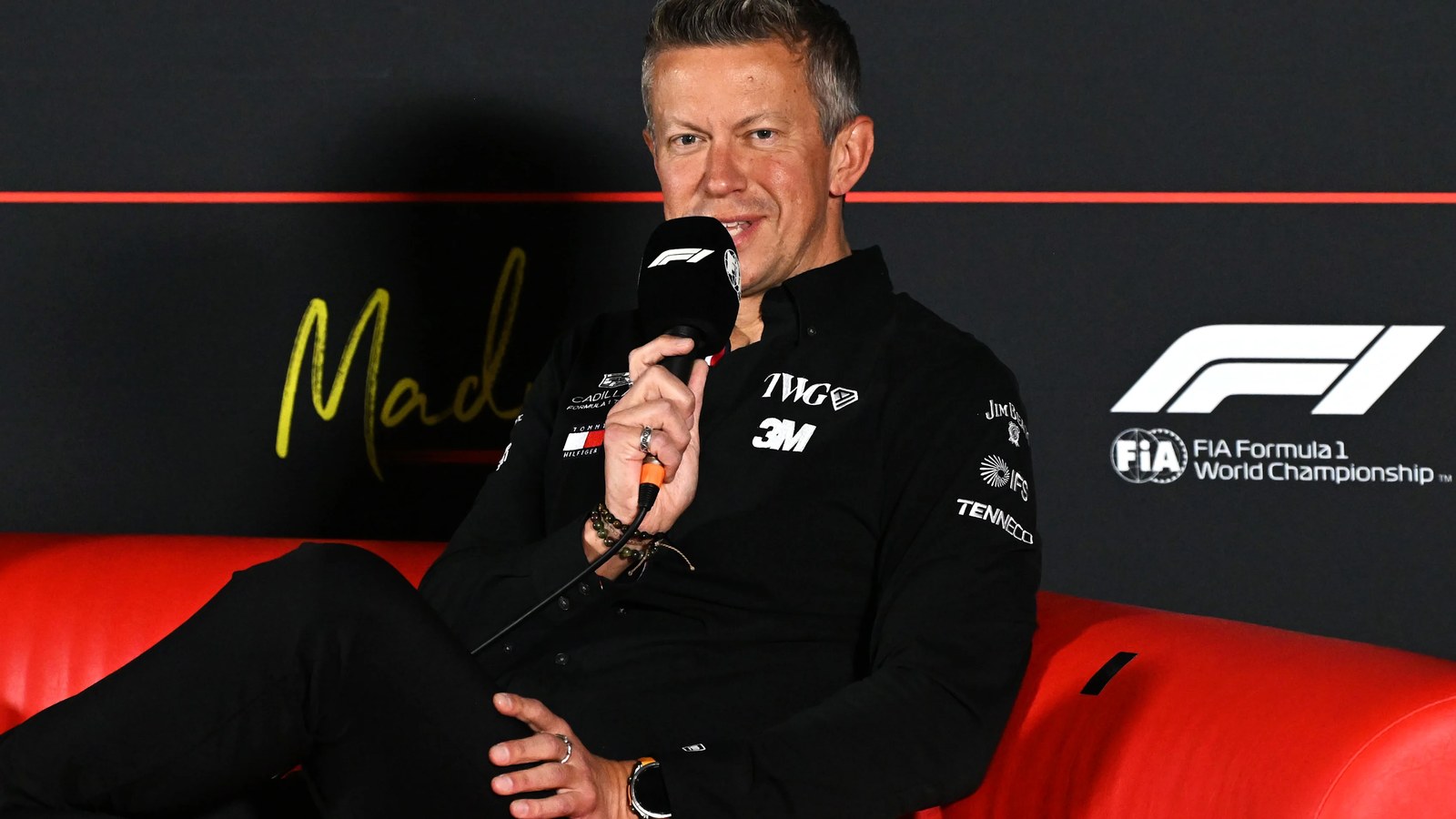
In an interview published on F1’s website on 17 September, Budkowski said the team had achieved much in assembling the operation quickly, though some shortcuts had inevitably been taken. Reliability and operational efficiency needed attention in the short term. On the new appointments, he said combining development, aerodynamics and modelling experience was intended to create a more closely integrated technical organisation and improve track performance. The team’s statement likewise emphasised technical depth, collaboration and clear accountability.
INKA SPORTS analysis: connecting specialist teams into a development process
The link between the appointments is that they cover both specialist work and the connections between disciplines. Blandin will lead aerodynamics, Lean will focus on modelling and simulation within that field, and Skinner will connect concept, design, analysis and delivery. Read through their announced responsibilities, the additions are about more than recruiting experienced people: they are intended to integrate specialist research into a complete car-development process. That aligns with Budkowski’s aim of bringing the technical organisation together.
Growth in headcount and maturity of working practices are different things. An aerodynamics department of more than 100 people in January shows that Cadillac had built a substantial workforce before its debut. Budkowski’s September comments about shortcuts during rapid formation and operational shortcomings show that coordination and execution remained tasks after recruitment. These appointments target that longer-term development. The three have yet to join, so their impact must be observed in future development delivery and track operations.
Summary
Cadillac’s additions give car development, aerodynamics management and modelling and simulation distinct roles, with collaboration as their shared aim. The three recruits will arrive over the coming months. The next points to follow are their individual start dates and how development work aligns with the reliability and operational improvements sought by the team principal. Whether specialist experience becomes effective collaboration is the question these appointments must answer.