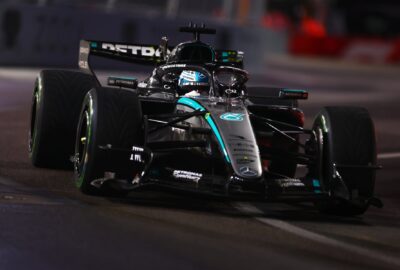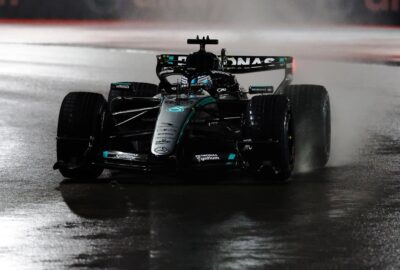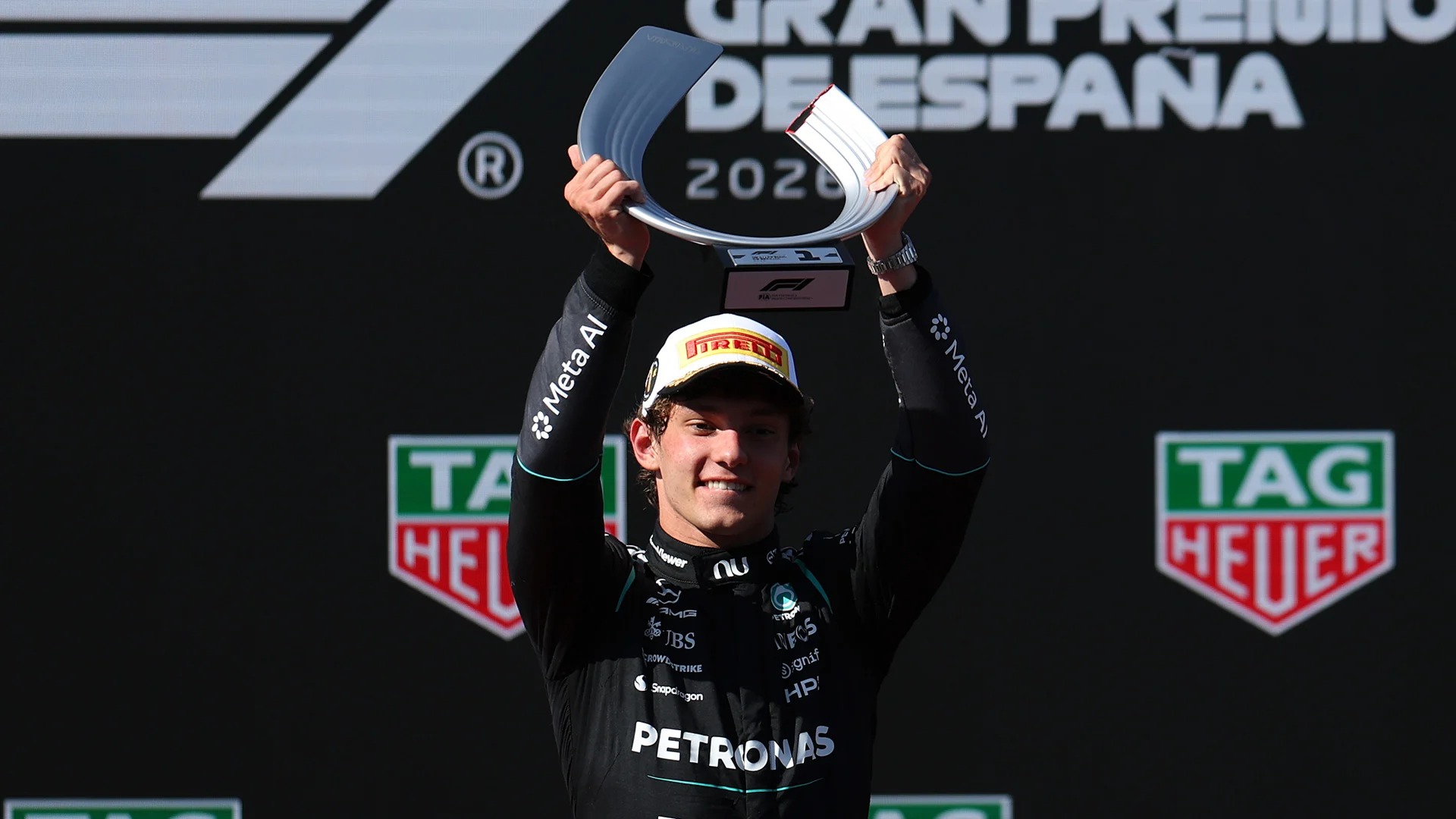
Kimi Antonelli won the Formula 1 Spanish Grand Prix in Madrid on September 13. Race Control deployed a Virtual Safety Car (VSC) on Lap 13 after Lance Stroll stopped at Turn 20. Antonelli pitted on Lap 14 after race leader Lando Norris had already passed the pit entry. Antonelli said afterwards that he deliberately lifted to give the signal time to appear before he reached the entry.
Slowing under yellow and a three-second message
When Stroll’s stopped Aston Martin brought out a yellow flag, Mercedes’ strategists judged that clearing the car might require a further reduction in racing speed. Race engineer Peter Bonnington warned Antonelli that a VSC could follow. A VSC requires the field to slow against a prescribed reference time; a tyre stop during this period generally costs less time relative to cars remaining on track than a stop at racing speed.
Antonelli was still in the final sector. He said Bonnington’s advance warning prompted him to ease off deliberately and see whether the VSC would appear before he reached the entrance. When it did, he pitted immediately. He rejoined behind Charles Leclerc, who had yet to stop, and ahead of the drivers who had already changed tyres.
Toto Wolff described the strategists identifying that Stroll’s car might not be cleared quickly, passing that assessment to Bonnington, and Bonnington checking it before informing Antonelli. The whole communication chain took about three seconds. That figure described how quickly the message travelled, not a three-second slowdown or a three-second pit-stop saving.
Hard tyres carried the benefit to the finish
Antonelli started on mediums and switched to hards during the VSC. Mercedes concluded that the hard tyre was more durable than expected, with low degradation, allowing him to run to the finish. He took the outright lead when Leclerc stopped and eventually beat Max Verstappen by 4.351 seconds, with Norris third.
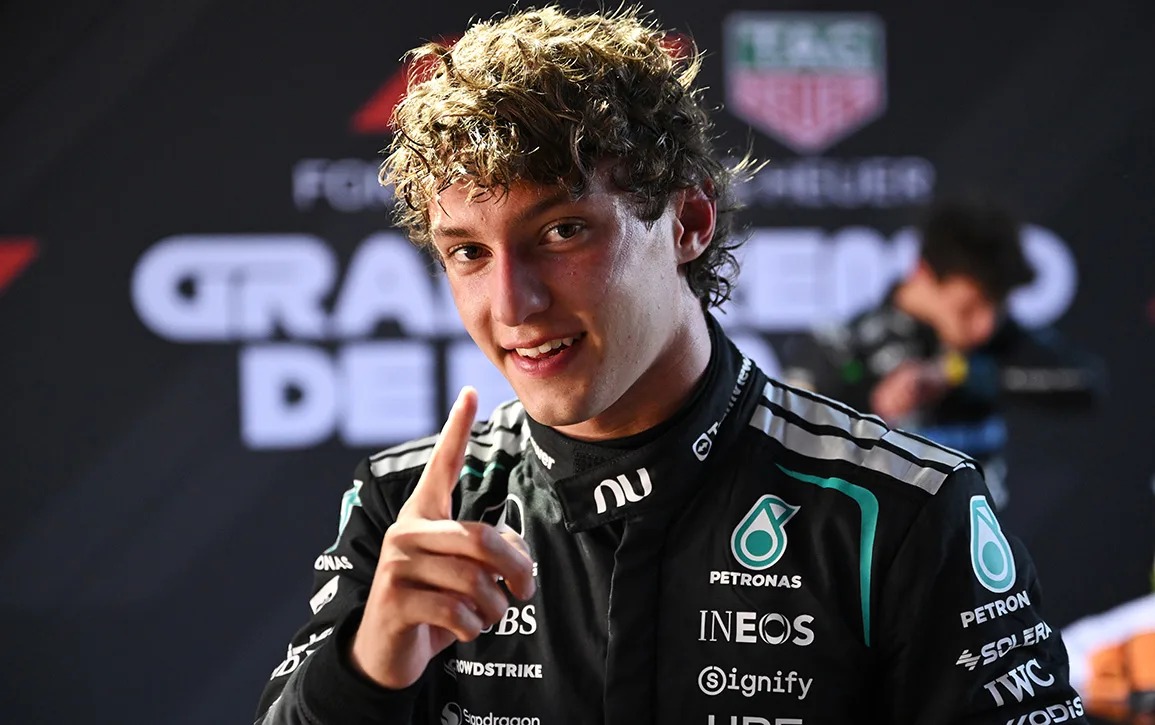
Antonelli acknowledged that the VSC timing had been fortunate and that Norris had controlled the race ahead of him. Mercedes Trackside Engineering Director Andrew Shovlin praised the readiness of the drivers and pit crew and their execution of the stops. Their accounts describe both the opportunity and the work needed to exploit it.
INKA SPORTS Analysis and Summary: Why time before pit entry mattered
The essential point was to assess the situation before the option disappeared. Once Norris passed the entrance, he could no longer take the immediate opportunity. Antonelli’s earlier lift delayed his arrival and preserved the choice. Advance communication also meant he did not have to wait for the official signal before learning what the team expected. Both improved his ability to react, without controlling when Race Control would deploy the VSC.
What happened after the stop mattered too. A cheaper stop delivers an immediate positional gain; a hard tyre capable of lasting the remaining distance spared Antonelli the time cost of another stop. The victory therefore cannot be reduced to a single pit instruction, nor can Wolff’s three seconds be treated as the total strategic benefit.
Mercedes’ useful lesson from Madrid was to identify the incident early, pass on the assessment and act while the option remained available. The fortunate element was a VSC deployed at a favourable location. The sequence explains how the team converted that window into victory, but does not isolate how much Antonelli’s lift contributed to the outcome or establish that he would otherwise have lost.