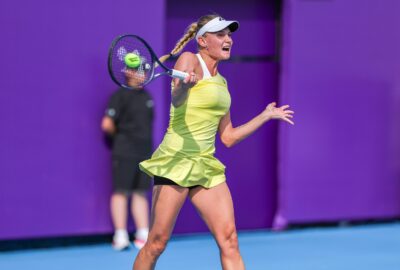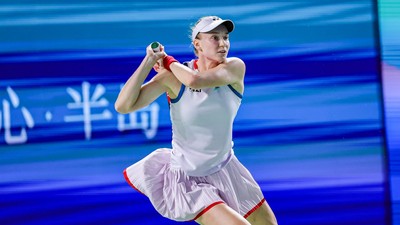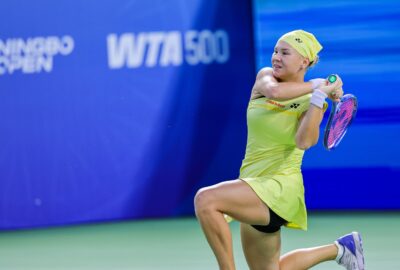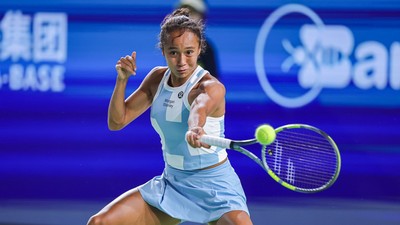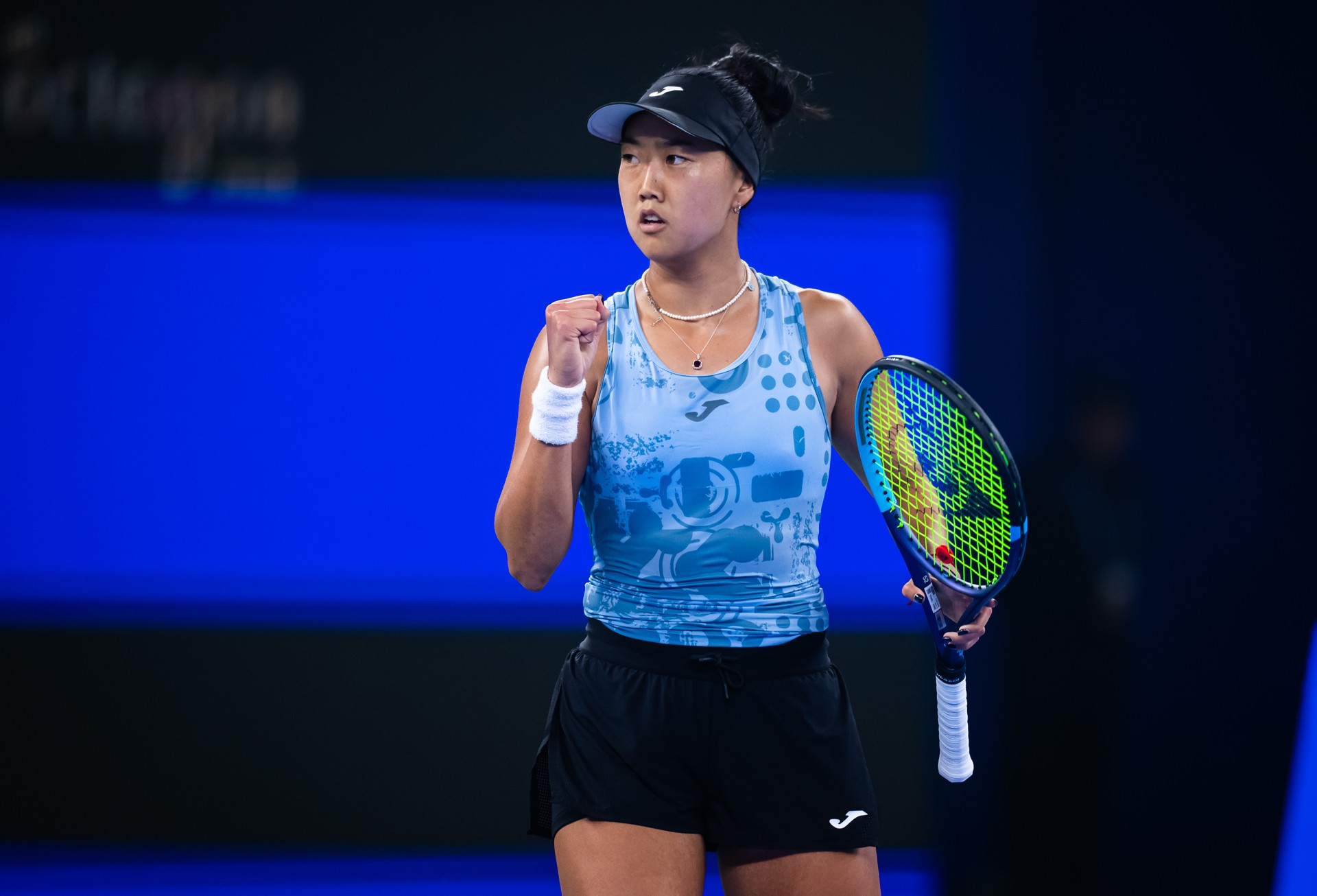
Wuhan's second round produced successive comebacks on October 14: American Ann Li eliminated top seed Sabalenka 3–6, 6–4, 7–6(5), while Ostapenko beat second seed Pegula 2–6, 7–6(7), 6–3. Both endured match-point exchanges but faced different circumstances.
Li converts her tenth match point
WTA reported Li recovering from 2–4 in set two to 5–2 in the decider. Sabalenka saved five match points serving at 2–5 and two more serving at 4–5 to reach 5–5, then another two in the tie-break. Li finally converted number ten with a forehand winner after two hours 27 minutes.
Li said at her post-match press conference that some match points featured excellent opponent play and she had to continue point by point. Her attacking shot on the final point allowed her to end a match she had struggled for so long to close out.
Ostapenko saves match points before completing the comeback
Her test came in the second-set tie-break. WTA said Pegula netted a volley on the first match point, before Ostapenko saved the next two with a second-serve winner and drop shot. The comeback took two hours 23 minutes.
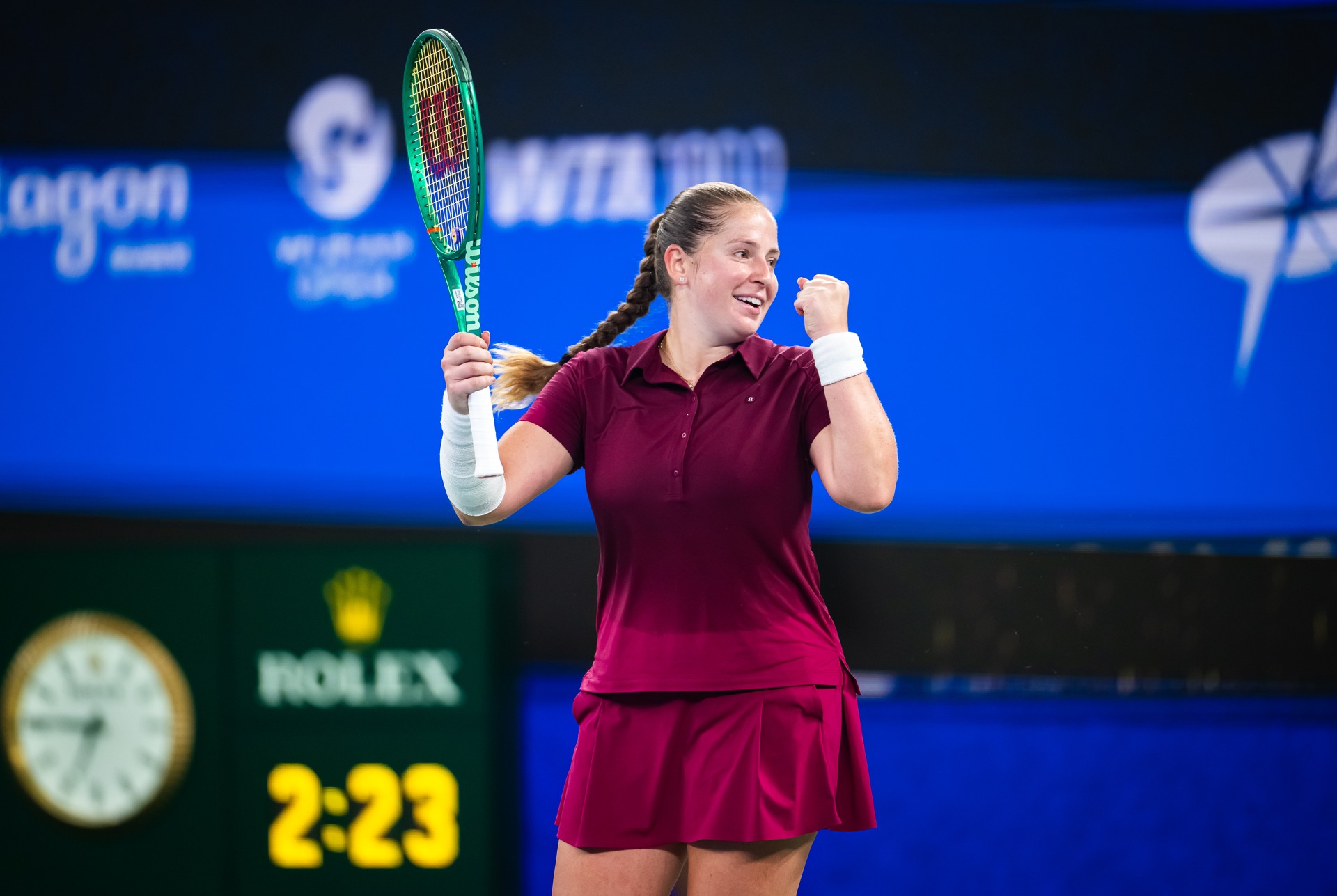
After being broken while serving for the match from 30–0 in the decider, she broke next with two return winners. She said at her press conference that some rallies involved keeping the ball in until a better attacking chance. WTA counted two points won in rallies beyond four shots in set one and 23 across the final two. These are point totals over one set versus two.
Two women's second-round results
| Winner | Opponent | Score (winner first) | Duration |
|---|---|---|---|
| Ann Li | Aryna Sabalenka | 3–6, 6–4, 7–6(5) | 2 hours 27 minutes |
| Jelena Ostapenko | Jessica Pegula | 2–6, 7–6(7), 6–3 | 2 hours 23 minutes |
INKA SPORTS analysis: Regaining initiative after opportunities disappear
Li's first seven match points came in return games, with Sabalenka twice holding to survive. A 5–2 lead did not directly yield victory. Li created further tie-break chances and finished actively with the forehand. Once her game advantage vanished, she still rebuilt point-level opportunities.
Ostapenko survived three chances in different ways before carrying attack into the decider. Pegula's error supplied the first escape, her own shots the next two; breaking after failing to serve out required another response. Her timing explanation corresponds with longer-rally points, but totals over unequal sets are not winning percentages.
Conclusion
Both regained initiative after reversals: Li finally closed, while Ostapenko overcame a failed service game after escaping defeat. Match points and the last games show attacking points and opponent mistakes jointly shaping results. Stronger pressure handling alone would omit each turning point.