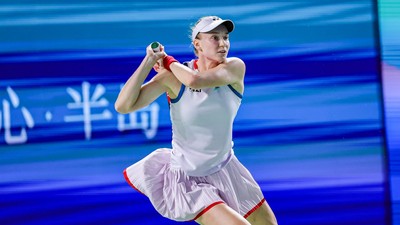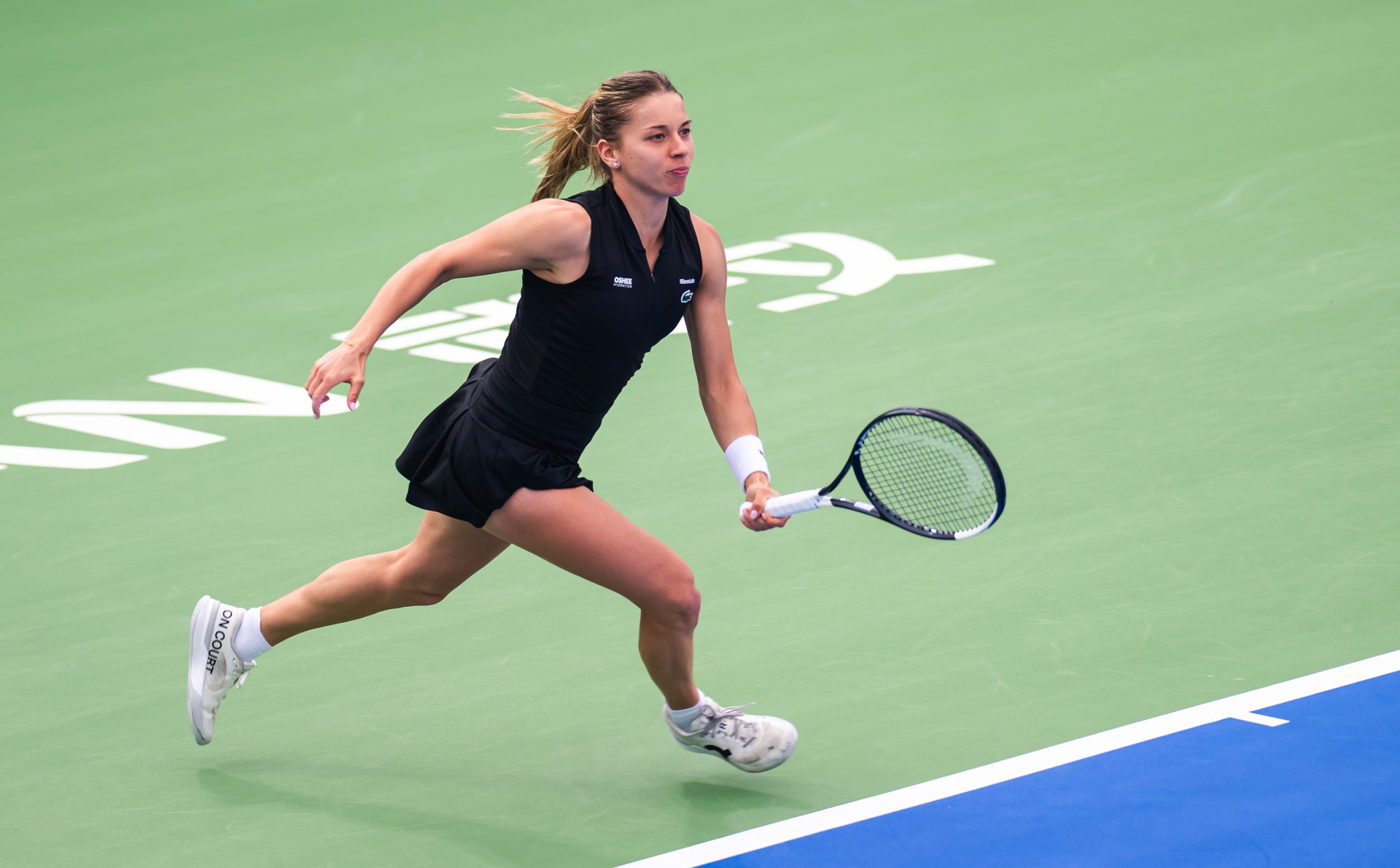
Diana Shnaider beat Karolína Muchová 7–5, 6–3 and Maja Chwalińska defeated Iva Jovic 6–4, 6–1 in the Wuhan Open's third round on October 15. Both reached the quarter-finals in straight sets, but their advantages were not identical.
Chwalińska limits errors and pulls away in set two
Chwalińska broke in the ninth game of set one and held to finish it. After an opening hold each in the second, she won five straight games to end the match in one hour 49 minutes. Defeating world No. 11 Jovic was her best career win by opponent ranking.
Chwalińska hit seventeen winners—shots directly ending the point—and fifteen unforced errors, mistakes not forced by strong opponent pressure. Jovic had more winners, 23, but also 31 unforced errors. Chwalińska next faces Maria Sakkari.
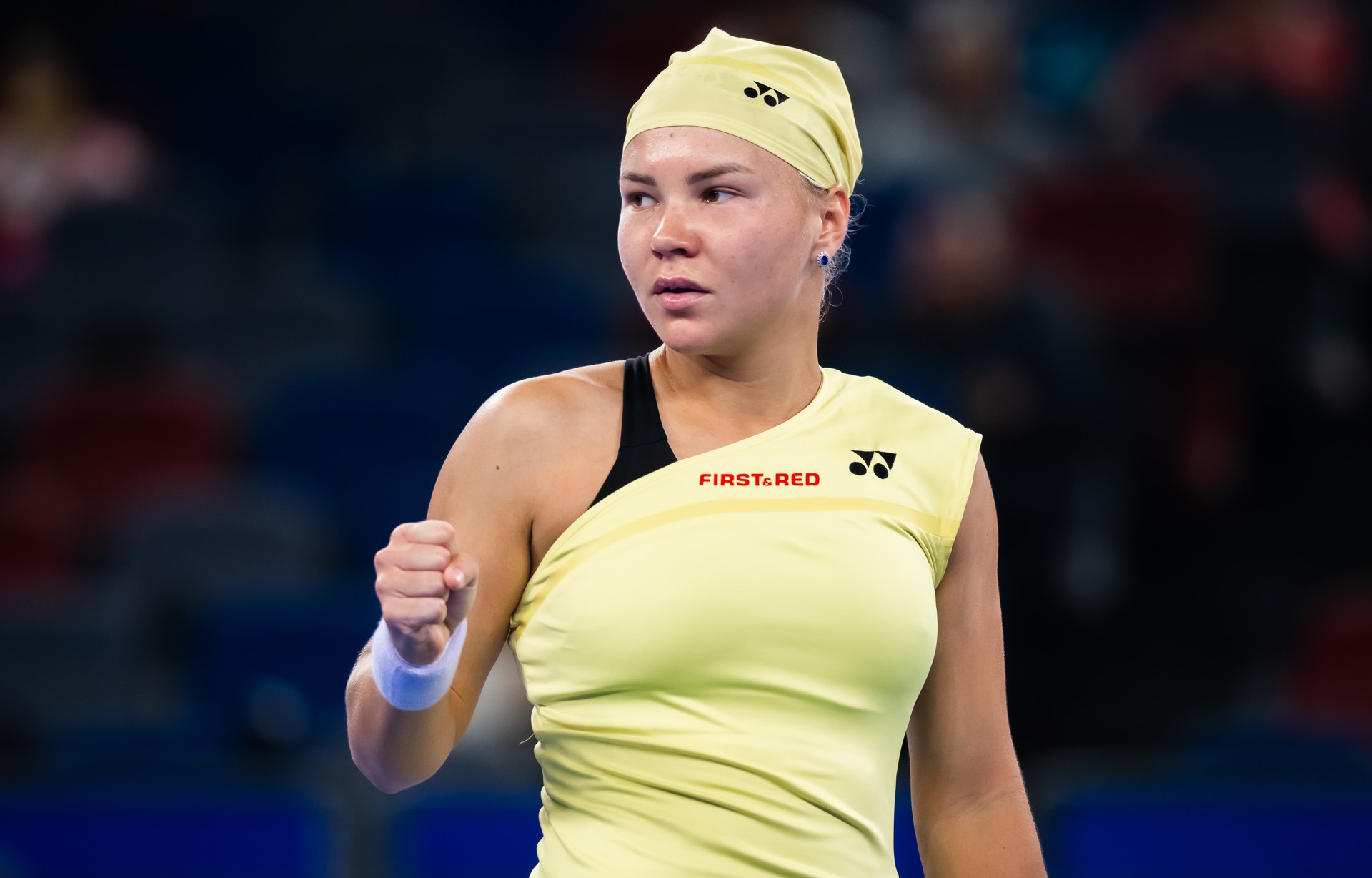
Shnaider brings team support into repeated close games
The victory gave Shnaider her fourth career top-ten win and third this season. All her Wuhan singles wins so far were straight sets. She told WTA her work with Sascha Bajin covered tactics and staying engaged for the next point through repeated deuces. They have worked together since August 2025, with fitness and hitting support gradually strengthened.
Women's singles third-round results
| Round | Winner | Loser | Score |
|---|---|---|---|
| Women's singles third round | Diana Shnaider | Karolína Muchová | 7–5, 6–3 |
| Women's singles third round | Maja Chwalińska | Iva Jovic | 6–4, 6–1 |
INKA SPORTS analysis: Fewer winners can still produce a two-set win
Chwalińska had six fewer winners but sixteen fewer unforced errors. Jovic's direct scoring came at a greater error cost, so attacking finishes alone do not explain the result. She protected her first-set lead after breaking in the ninth game, then won five consecutive games from 1–1 in the second. Full-match figures show fewer errors overall, not their game-by-game distribution, and cannot independently explain each pivotal game.
Shnaider describes another form of consistency: repeated deuce means the previous point has not ended the game, requiring another placement choice and shot. Tactical and mental discussions help maintain engagement. Statistics for Chwalińska and Shnaider's account separately explain error control and competitive focus.
Conclusion
Both wins show consistency in avoiding donated points and remaining engaged when games will not end. Fewer winners can accompany better error control; team support can help repeated-deuce focus. Winner totals and straight-set scores tell only part of these results, supplemented by specific errors and feedback.