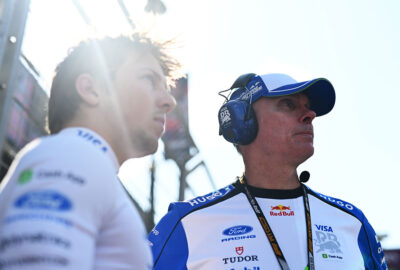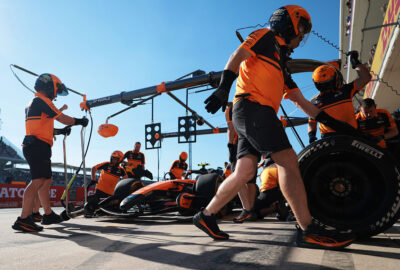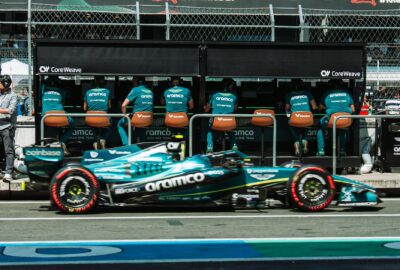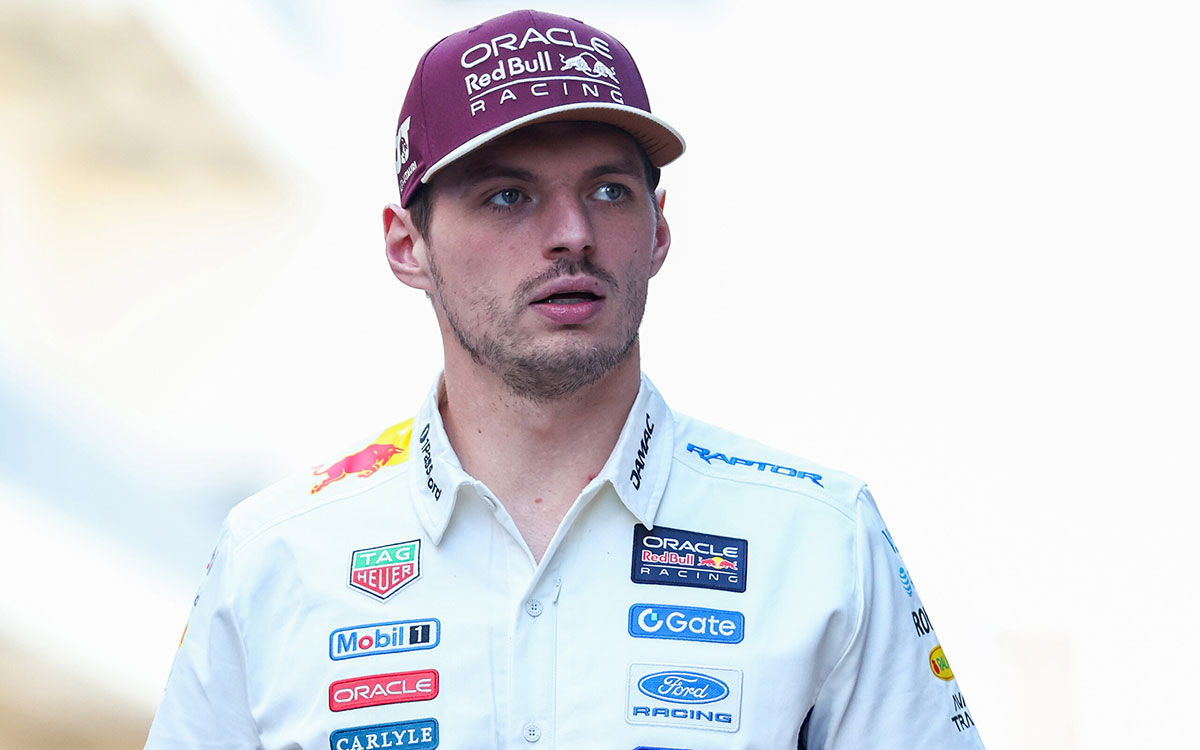
Max Verstappen arrives in Brazil second in the drivers’ standings, a position that still surprises him. At the FIA press conference in São Paulo on November 5, he credited Red Bull’s recovery to continued work on the car, a better understanding of the power unit and a determination to keep scoring when the team lacked front-running pace.
The official standings after Mexico put Verstappen on 261 points and Lewis Hamilton on 259. George Russell follows on 250, with Charles Leclerc on 245. A two-point advantage leaves the contest for second place tightly balanced.
Making the most of sixth or seventh
Verstappen said Red Bull faced substantial difficulties early in the season. The car fell short of expectations, and the team still had lessons to learn about its power unit. He believes its competitiveness has improved considerably. His own approach was to secure the best available result even when sixth or seventh was the limit.
That provides a useful comparison with his priorities before Mexico. He had stressed helping Red Bull finish third in the constructors’ championship while improving the car for 2027. Victory in Mexico subsequently gave the team a points cushion and moved him ahead of Hamilton.
Two separate standings battles
Red Bull now has 382 constructors’ points, 17 more than fourth-placed McLaren. That is a larger cushion than Verstappen’s two-point drivers’ advantage, but both positions still need defending. The individual championship and the combined contribution of two cars measure different contests.
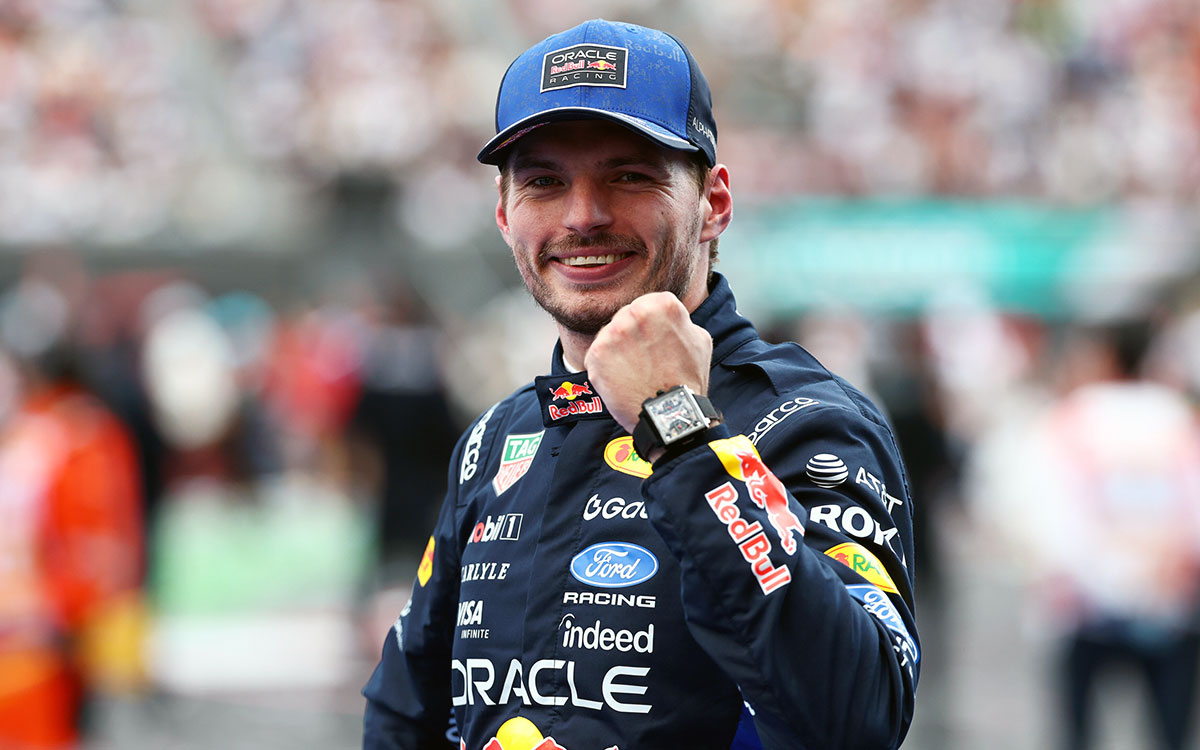
The recovery has not ended the work on small details. Verstappen told the same press conference that radio communication was much better in Mexico and that the team could hear him well, although a few settings still needed attention. His repeated feedback about gear changes, he explained, was intended to keep the team searching for lap time.
More practice time in Brazil
São Paulo returns to a conventional format of three practice sessions, qualifying and the race. Verstappen noted that this offers more time to adjust the car than a Sprint weekend. With the leading teams closely matched, however, set-up and energy deployment can influence the order, and he stopped short of predicting Red Bull’s position.
INKA SPORTS Analysis and Summary: recovery and fine-tuning can coexist
Verstappen’s two types of feedback explain why a recovery in the standings can coexist with further adjustments. His assessment of the car’s competitiveness and the team’s power-unit understanding concerns progress across the season. His comments on the radio and gear changes are more specific. In Mexico, he said the team could already hear him clearly, with only small settings left to refine. His shift feedback, meanwhile, was framed as a continuing search for lap time. These are different areas of improvement.
Improved results and continued requests for changes can therefore occur together. Red Bull’s greater competitiveness is Verstappen’s assessment of the overall package; refinement of operating details reflects his wish to extract more from it. Extra practice time in Brazil offers more scope to work on set-up, but with the leading teams closely matched, he still linked the order to this weekend’s set-up and energy deployment rather than treating victory in Mexico as a guarantee of an advantage in Brazil.
Mexico also shows how quickly positions can change. Verstappen scored 25 points to Hamilton’s 18, a seven-point swing that took their pre-race totals of 236 and 241 to 261 and 259. A five-point deficit became a two-point lead. The recovery has delivered a concrete change in position; the next task is to keep combining competitiveness with execution while protecting a narrow advantage.