MotoGP Deputy CEO Carlos Ezpeleta explained in an interview with Motorsport.com that the changes to the 2027 weekend format were first proposed by the teams. Manufacturers also wanted reduced track time to lower the accumulated mileage of some components.
Teams seek improvements as manufacturers focus on component use
Ezpeleta believes the new arrangements will improve the weekend’s competitive structure and make it more entertaining. He also said Friday activities would start a little later, another change sought by manufacturers.
Total track-session time over the weekend will be cut by 35 minutes, including the removal of the existing standalone warm-up. The new generation of 850cc motorcycles will also be introduced in 2027.
Less practice, with a separate contest for Sprint grid positions
The Grand Prix Commission’s decision announced on October 7 specifies 45 minutes of FP1, 30 minutes of FP2 and 15 minutes of Sprint qualifying on Friday. All riders will enter Sprint qualifying, with separate grids established for the Sprint and Grand Prix. All riders will also take part in Saturday’s Grand Prix Q1, with the top 12 advancing to Q2.
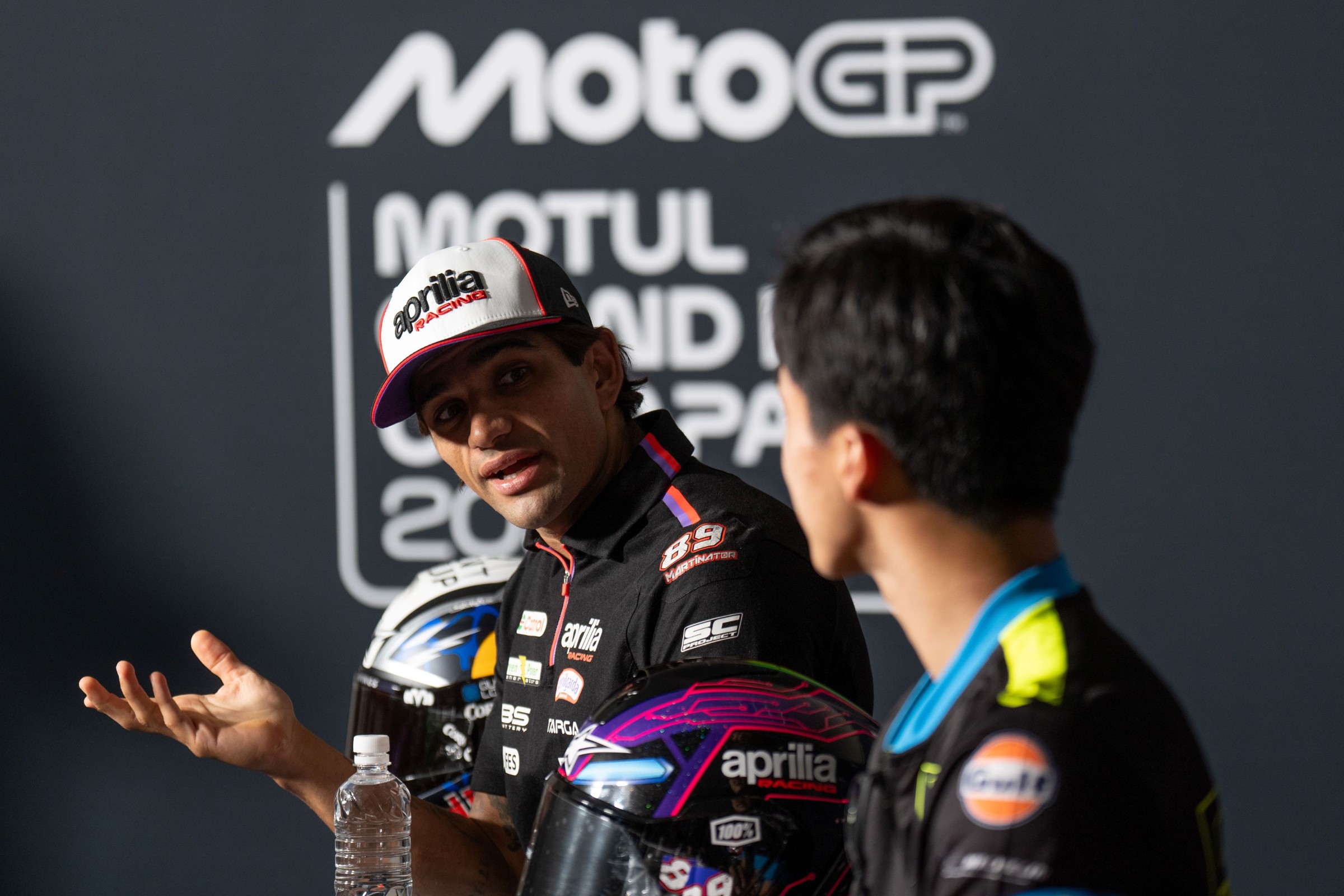
Sunday’s standalone ten-minute warm-up will be replaced by a ten-minute opening of the pit-lane exit before the Grand Prix, allowing riders to make multiple sighting laps toward the grid. The replacement of the separate warm-up therefore still leaves an opportunity to check the bike before the start, but places it within a different operating procedure.
INKA SPORTS analysis: How reduced mileage changes the weekend workload
The interview and the formal decision show manufacturers focusing on component use, teams proposing improvements to weekend organization, and riders facing a new contest for Sprint grid positions. Shorter total sessions can still come with more separate timed tasks. Practice time used to confirm a setup serves a different purpose from time in which a result must be delivered immediately, so the total number of minutes alone cannot determine whether preparation becomes easier for riders.
Adding Friday Sprint qualifying also tests the results of practice against grid positions earlier. Teams will need to establish a usable setup more quickly during the day’s two practice sessions before entering all-rider qualifying. This compresses the time available for testing and places greater demands on preparation efficiency. Whether the shorter sessions deliver the mileage reduction manufacturers expect will still require observation of actual lap counts and component-use records.
Conclusion
The new information disclosed by Ezpeleta concerns how the teams’ proposal and manufacturers’ mileage objectives entered the format discussion. The formal rules have established standalone Friday Sprint qualifying and all-rider Saturday Q1, while the organizers’ hopes for greater entertainment will be tested in competition. The specific change to watch in 2027 is how teams prepare in less practice time and apply that preparation to two separate qualifying contests.