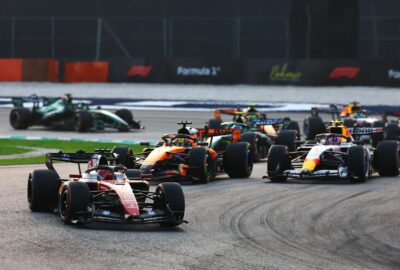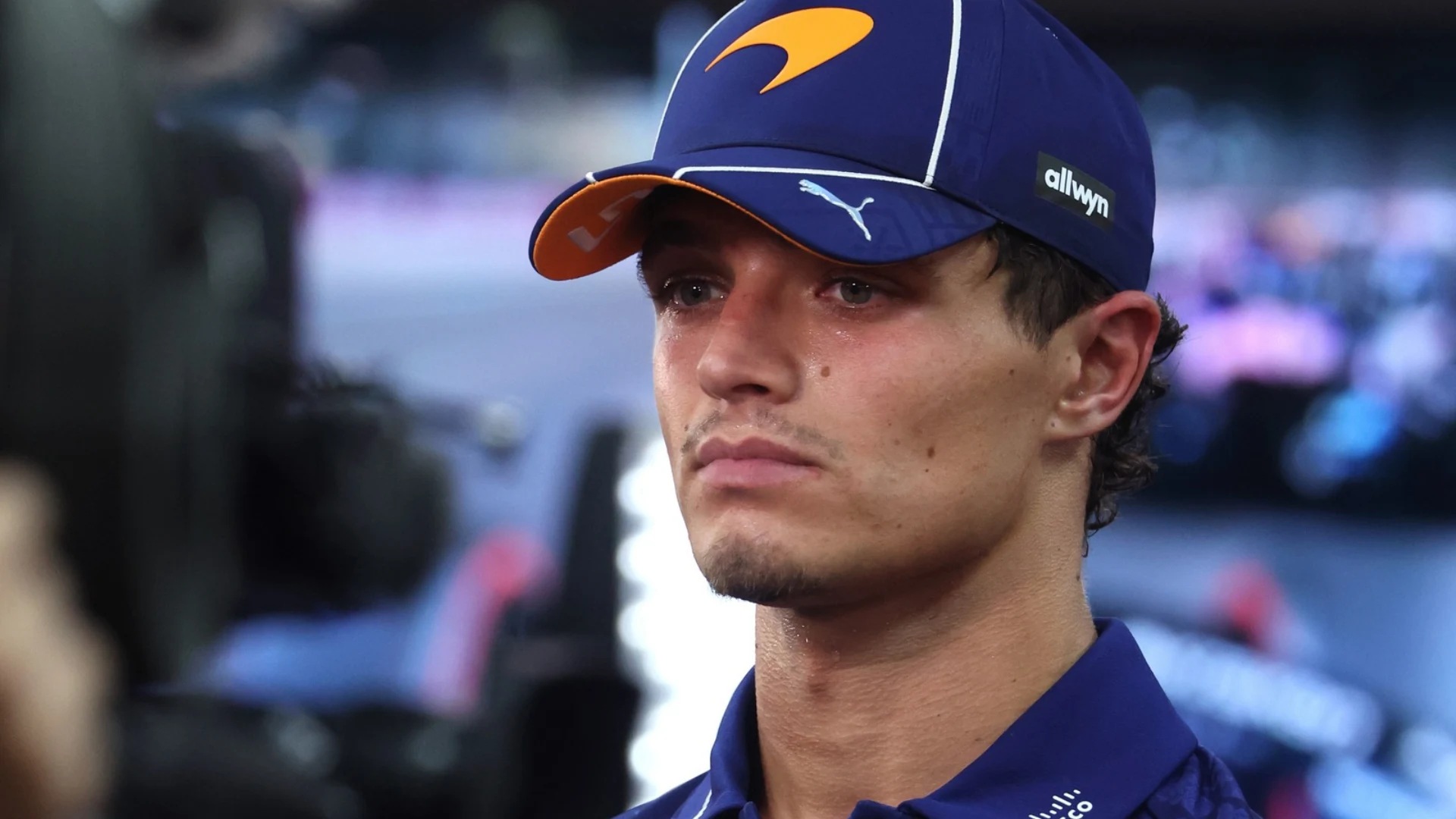
At the F1 Singapore Grand Prix on October 11, Norris and Piastri started fifth and sixth and finished fourth and fifth. Both gained one place, but Norris wants podiums and wins rather than satisfaction with fourth. A long-stint opportunity did not remove the leading-car pace deficit.
Extended soft stint meets a VSC benefiting rivals
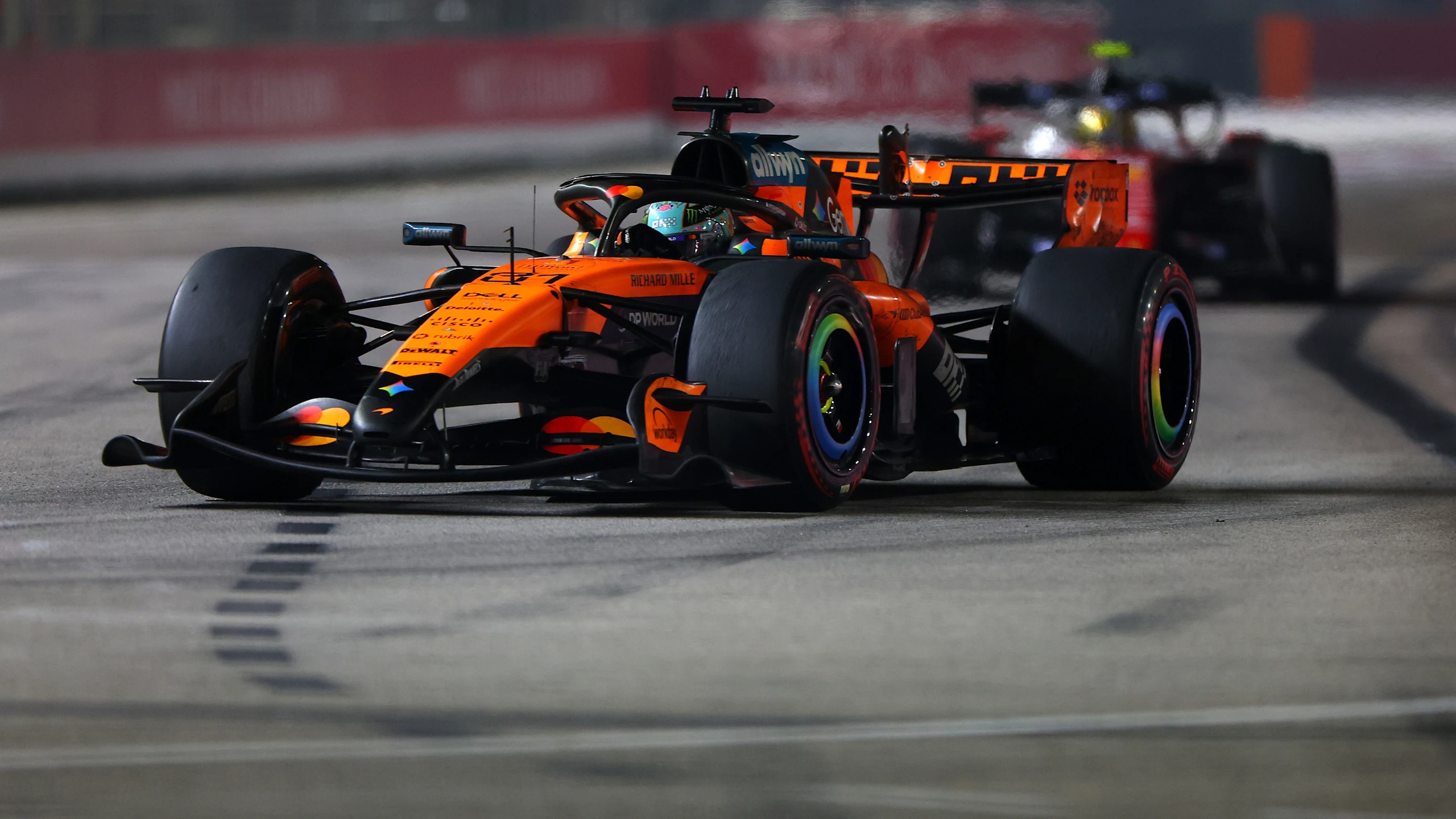
McLaren explained in its official post-race report that it stayed out after Hamilton, Antonelli and Leclerc stopped, continuing on their starting soft tires in less disturbed air while waiting for a possible Safety Car opportunity. Norris and Piastri switched to mediums on laps 32 and 33 and returned fifth and sixth.
They initially had fresher late tires than some rivals. A lap-39 VSC reduced relative pit losses; Leclerc and Antonelli stopped again. Leclerc remained ahead of Norris, Antonelli emerged between the McLarens and used fresh tires in the podium fight.
Piastri's slow front-right puncture forced used softs on lap 41, but a midfield gap preserved sixth. He passed fading Hamilton on the penultimate lap for fifth. Norris ran wide at Turn 1 attacking Hamilton on lap 54, opening Antonelli's chance, before passing the Ferrari on lap 55.
Points welcomed, but fourth is not the goal
Norris told F1 he could have handled the Hamilton attack better, with positioning and the excursion aiding Antonelli. He rated McLaren fourth-fastest and wanted upgrades. Piastri could not match Verstappen or Leclerc and also rated Antonelli faster. These are driver assessments.
Stella said in the team report that fourth and fifth broadly reflected current pace and qualifying. He did not rule out Norris third but prioritized upgrades and renewed podium contention.
INKA SPORTS analysis: Why the planned late advantage did not last
Extending stint one gives fresher tires against older rivals, but later rival stops change that. After lap 39, Norris pursued old-tire Hamilton while defending new-tire Antonelli, turning one-direction pursuit into a two-sided fight.
Norris' error affected that local battle without independently explaining the whole-race gap to Verstappen and Leclerc. Both drivers cited pace and Piastri had another stop. Execution, tire route and car competitiveness need separating: a better pass can improve one result, while sustained wins require a quicker car.
Conclusion
Both scored, but rivals' VSC stops weakened the extended-stint advantage and Norris' error further affected third. Better overtaking execution improves individual chances; the shared pace concern remains central to recurring victory contention.