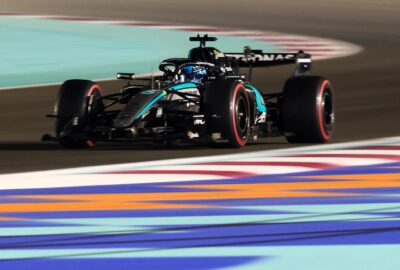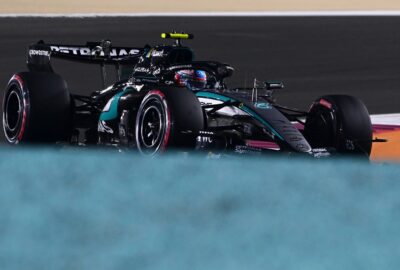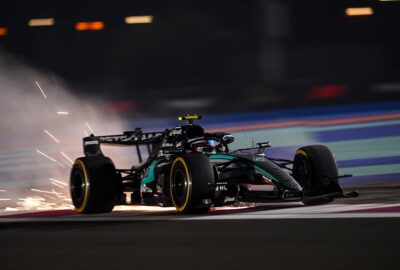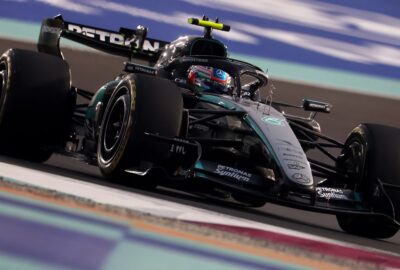
McLaren spent Friday at Sepang continuing to assess the MCL40 upgrade it introduced in Baku. Its technical briefing for the October 2 running put the emphasis on how the parts worked with the setup. With Malaysia hotter than Baku, McLaren was also preparing a more open bodywork configuration for the higher temperatures.
From Baku’s street corners to Sepang’s back-to-back straights
Lando Norris felt the Baku upgrade was doing its job, although losses elsewhere on the car had obscured some of the progress. He hoped the faster corners at Sepang would suit McLaren better and identified long straights as a weakness. Baku had put a premium on building driver confidence. Sepang gave the engineers a broader range of corners in which to assess the same package.
Some of the medium- and lower-speed entries require braking and turning together, putting a premium on front-end response. The track surface and corner geometry also inform the choice of mechanical and roll stiffness. The layout has stayed the same since F1 last visited in 2017, but the condition of the asphalt and the way the 2026 power units deploy electrical energy have changed. Two long straights in succession made deployment another item to work through.
McLaren expected enough spares, while the simulator helped the drivers learn the lap
Norris lost some of the upgraded parts in his Baku accident. McLaren expected its stock of spares to cover the running planned for Sepang. The team was still keeping an eye on its supply because teams carry little surplus under the cost cap.
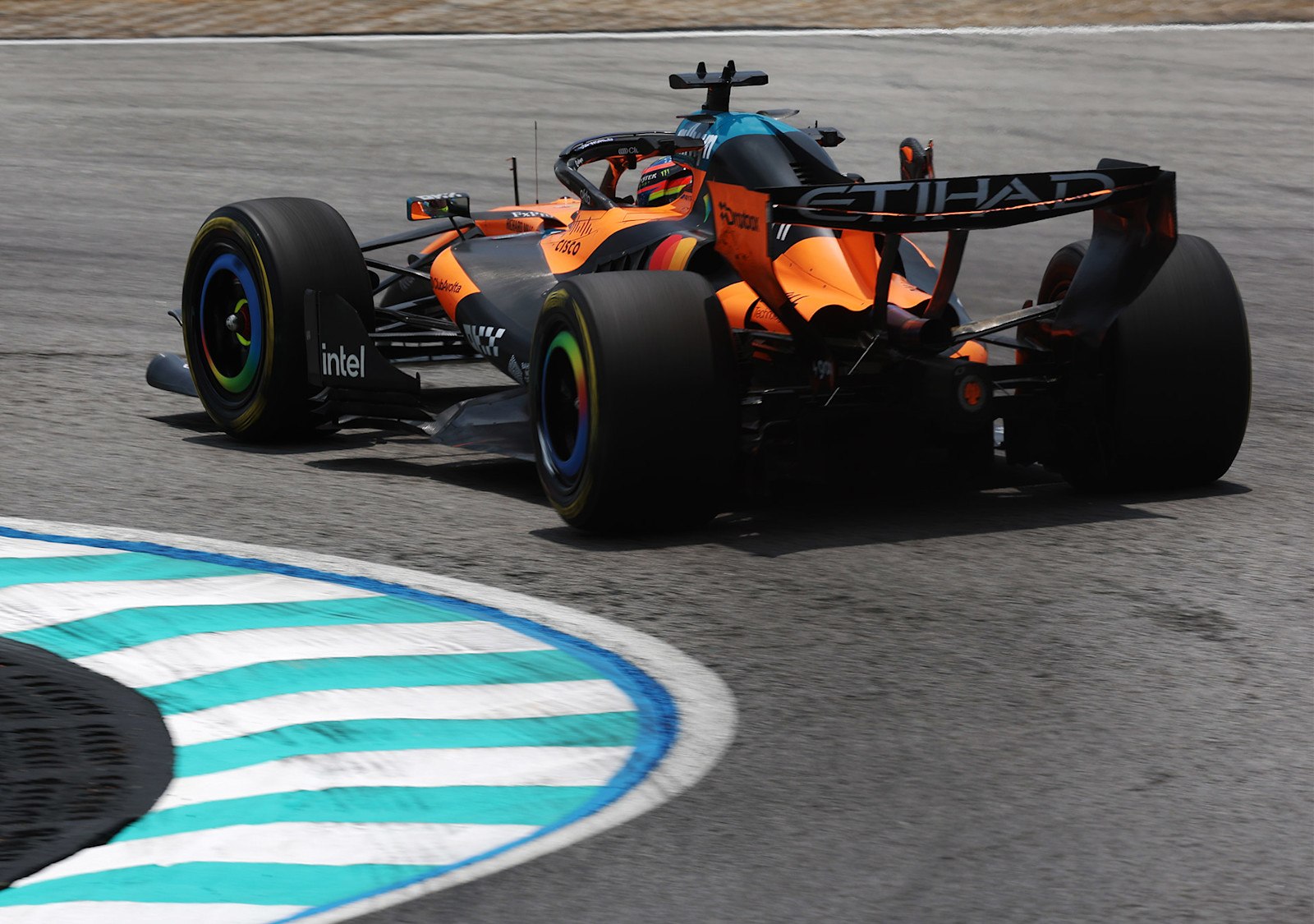
Oscar Piastri said the simulator could help with braking points, gears and corner speeds. More simulator laps did not bring a proportional gain in understanding the finer details of the car and its power unit. The first run on track generally gave a useful reference for braking points, after which he would keep adjusting for changes in grip and fuel load.
INKA SPORTS analysis: What a pit stop costs depends on what the tyres can give back
McLaren wanted an accurate measure of the time lost by pitting and an understanding of how C2, C3 and C4 tyres held up over a stint. An extra stop only pays if the fresh tyres return the time lost in the pit lane. Fewer stops require the tyres already on the car to hold their pace for longer. Those measurements also inform which sets the team keeps for later in the weekend.
Norris completed 25 laps in FP2 and was third on a 1:37.665. Piastri ran 26 and was sixth on a 1:37.899. They trailed by 0.137 and 0.371 seconds respectively. The times show where McLaren stood over one lap on Friday. The value of the new package across different corners and the payoff from an extra stop called for a look at the longer runs.