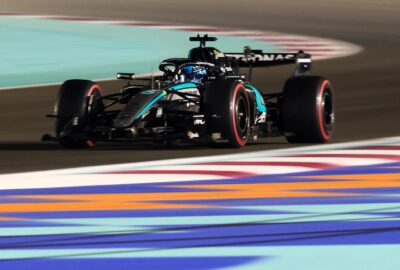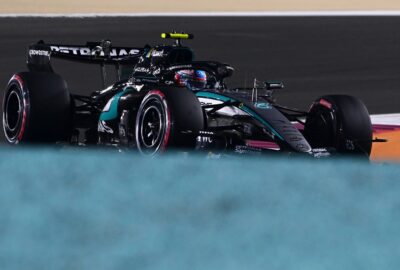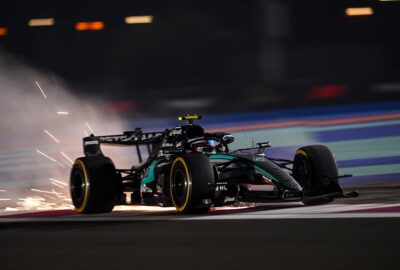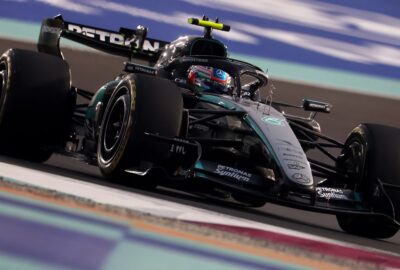
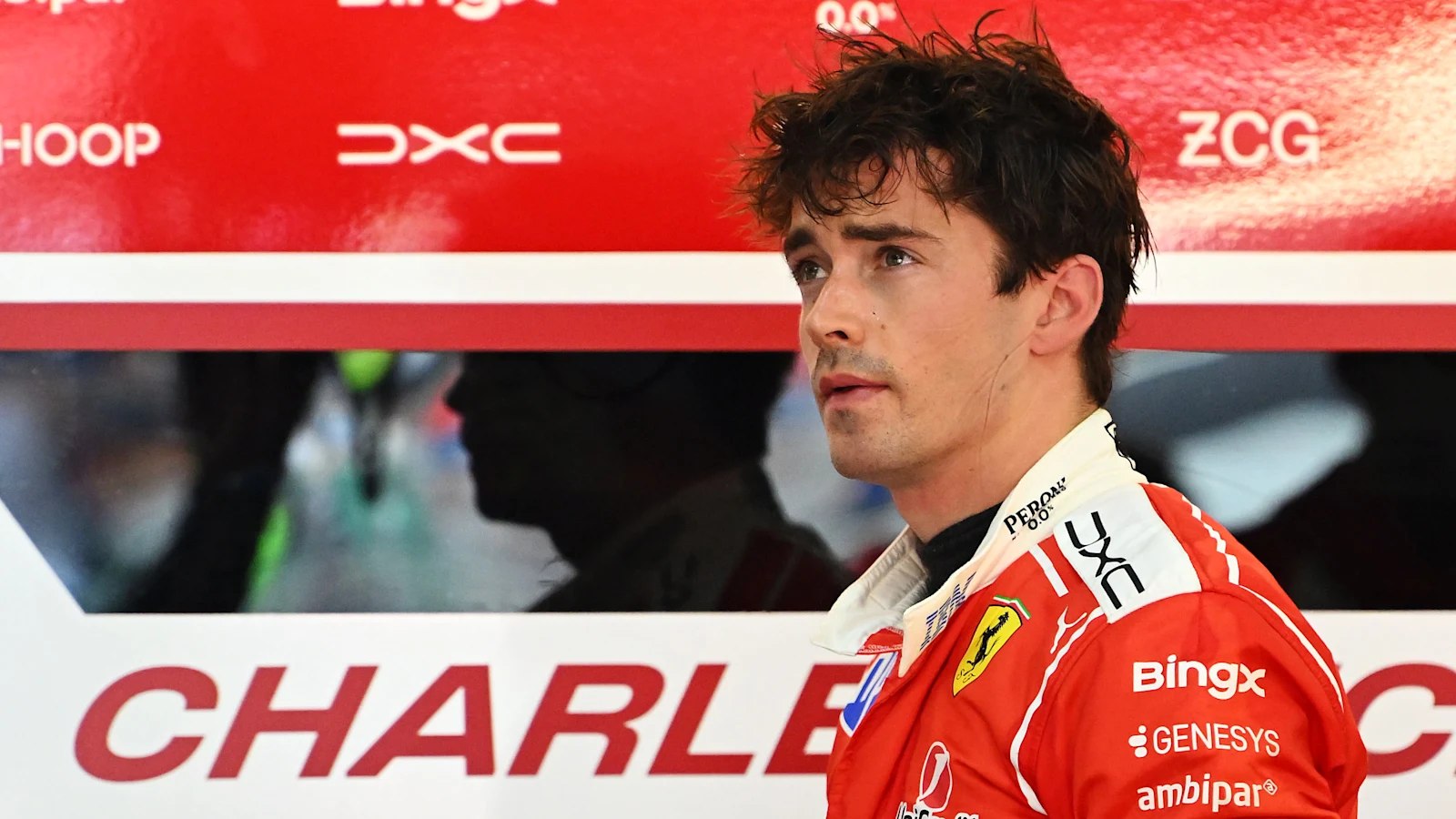
Charles Leclerc went from fourth in first practice to the top of FP2 at Sepang on October 2, clocking 1:37.528 for Ferrari at the Bahrain Grand Prix in Malaysia. Asked who looked strongest, though, he singled out Red Bull. Isack Hadjar was only 0.099 seconds behind in second, and Leclerc thought the Red Bull driver had made mistakes in the final part of his lap.
Red Bull spends Verstappen’s running time on the medium
Max Verstappen was fourth in FP2 on 1:37.785, 0.257 seconds behind Leclerc. He set that time on the medium tyre. Red Bull explained that rain had been forecast for FP2. When it stayed dry, the team prioritised a long run on mediums to understand how the tyres behaved and degraded over a stint. That left Verstappen without time for a soft-tyre lap. Hadjar did complete his soft run.
George Russell and Kimi Antonelli finished seventh and eighth for Mercedes, neither putting together a clean lap on the soft. Leclerc said Mercedes usually made its upgrades work and would be strong once it brought everything together. With those uncertainties in the order, his priority was getting the most out of Ferrari’s own car.
Leclerc studies cornering and degradation as Hamilton searches for grip
Leclerc had already reported severe tyre degradation on the radio during FP1. Afterwards he explained that small differences in how he drove particular corners could make a substantial difference to degradation. He felt comfortable in the car, but expected understanding that effect to be a central challenge of the weekend.
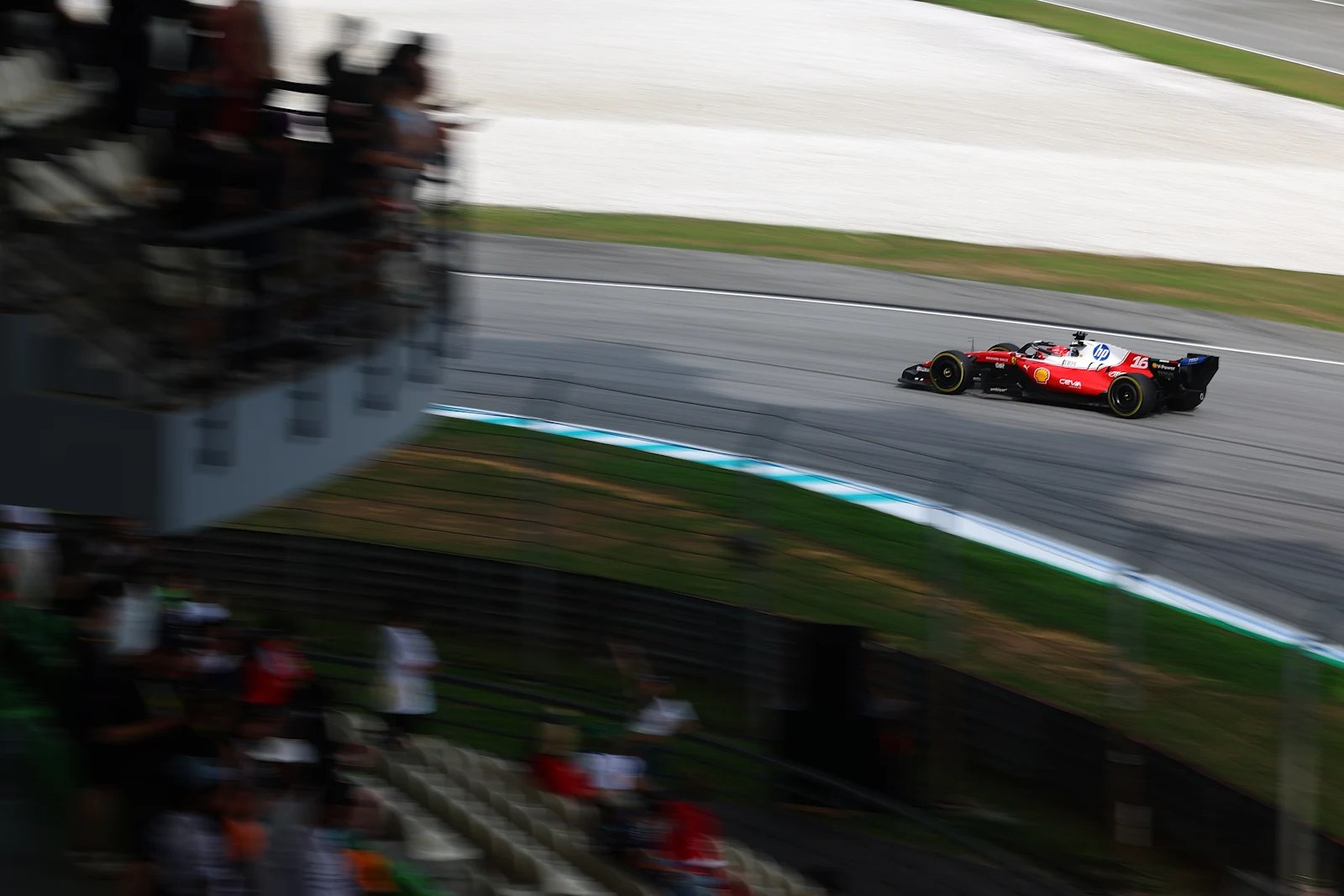
Team-mate Lewis Hamilton was sixth in FP1 and fifth in FP2 on 1:37.833. He reported a general lack of grip. Ferrari tried different setup directions across the sessions and Hamilton wanted to work through the data to find a better balance. Leclerc also described a dirty and slippery track. As more cars ran, the settings they explored on Friday would have to work on a changing surface.
From Monza, Madrid and Baku to a new emphasis on race pace
At Friday’s press conference, team principal Fred Vasseur pointed to Monza, Madrid and Baku as recent examples of races with almost no degradation. The opening session at Sepang had already shown something different, shifting the emphasis towards race pace. Vasseur said this was the first of the past five or six weekends on which degradation had been such a focus. He also expected grip to improve on Saturday.
| Driver | FP2 position | Best lap | Gap to leader (s) | Tyre on best lap |
|---|---|---|---|---|
| Charles Leclerc | 1 | 1:37.528 | 0.000 | Soft |
| Isack Hadjar | 2 | 1:37.627 | 0.099 | Soft |
| Max Verstappen | 4 | 1:37.785 | 0.257 | Medium |
INKA SPORTS analysis: Why topping FP2 left Ferrari with a tyre question to answer
Leclerc’s benchmark showed Ferrari could produce a competitive lap on soft tyres. It offered a limited measure of Red Bull’s ceiling. Leclerc thought Hadjar had left time on the table in the final part of his lap, while Verstappen did not try the soft at all. Red Bull spent those laps gathering medium-tyre data over a stint, exactly the kind of running Ferrari needed to understand.
Two changes could work in opposite directions at Sepang. The track might gain grip with more running while a single set of tyres lost performance over successive laps. Hamilton was trying to find grip in the conditions in front of him. Leclerc was looking at how the way he drove a corner affected the laps that followed. Carrying Friday’s speed into the race would depend on limiting that loss across a stint as the surface continued to evolve.