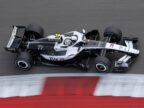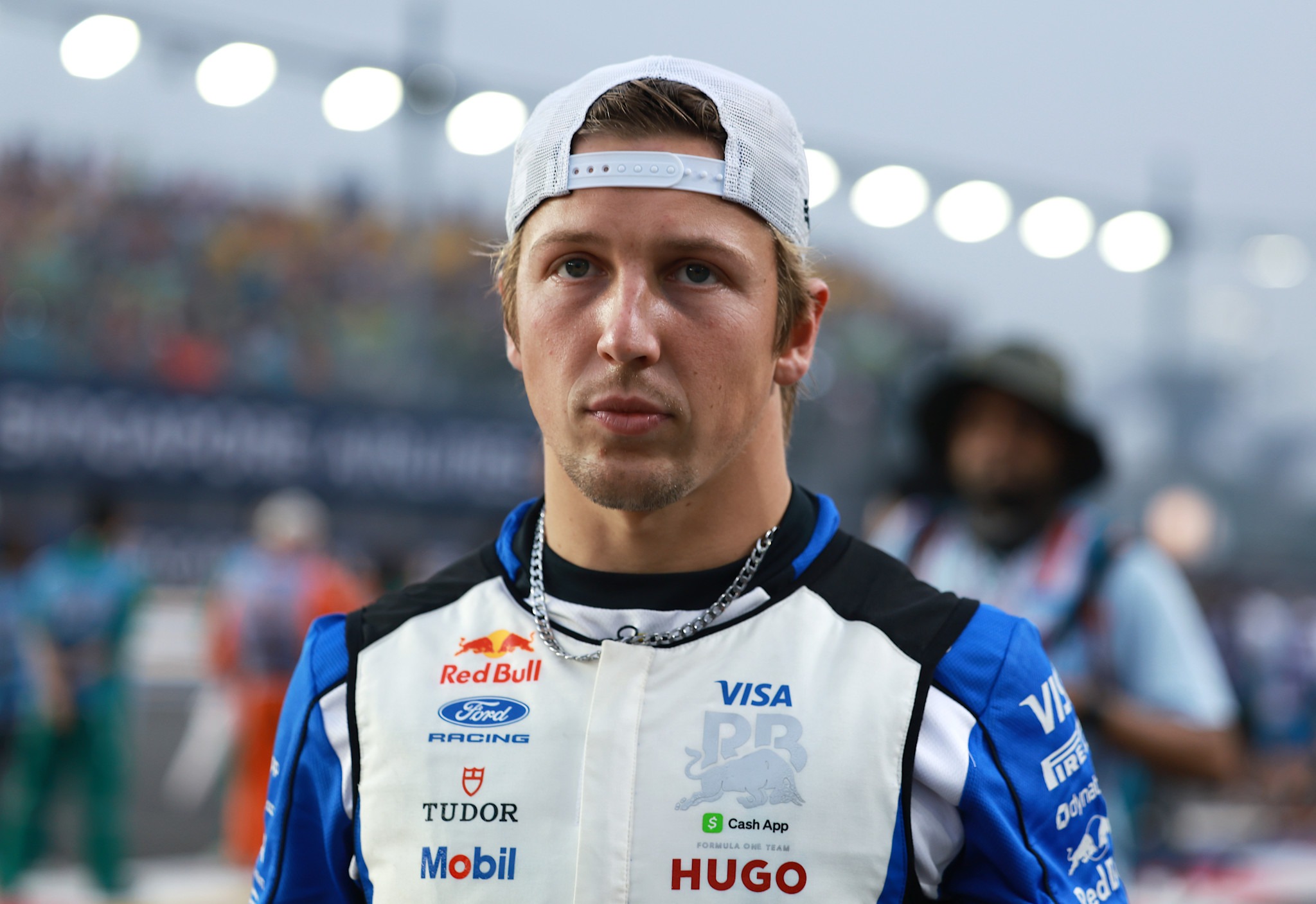
Lawson scored twice over October 10–11 in Singapore: Sprint fifth and race seventh for ten points. In F1's October 12 interview he praised Racing Bulls' performance without treating it as a 2027 seat guarantee.
Two scores do not settle the lineup
Lawson said seat questions were normal at this stage and his focus remained points each weekend. He called the triple-header intense, noted team points at each round and had personally hoped to score at all three.
On October 11, Team Principal Alan Permane told F1 the 2027 decision would come within weeks without an exact date. Three candidates seek two seats: the current drivers and a young Formula 2 (F2) prospect. He wants more time to select the right combination.
Permane emphasizes speed and developing young drivers. Racing Bulls must consider both current contribution and future level.
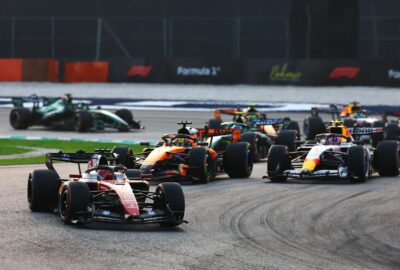
The points came differently. In a changing wet-dry Sprint, Lawson avoided the collision between the two McLarens on the final lap for fifth and four points. In the race he overtook early, then held Hülkenberg and Russell behind for seventh and six. Avoidance, gained position and defense all delivered.
Lindblad focuses on his own form
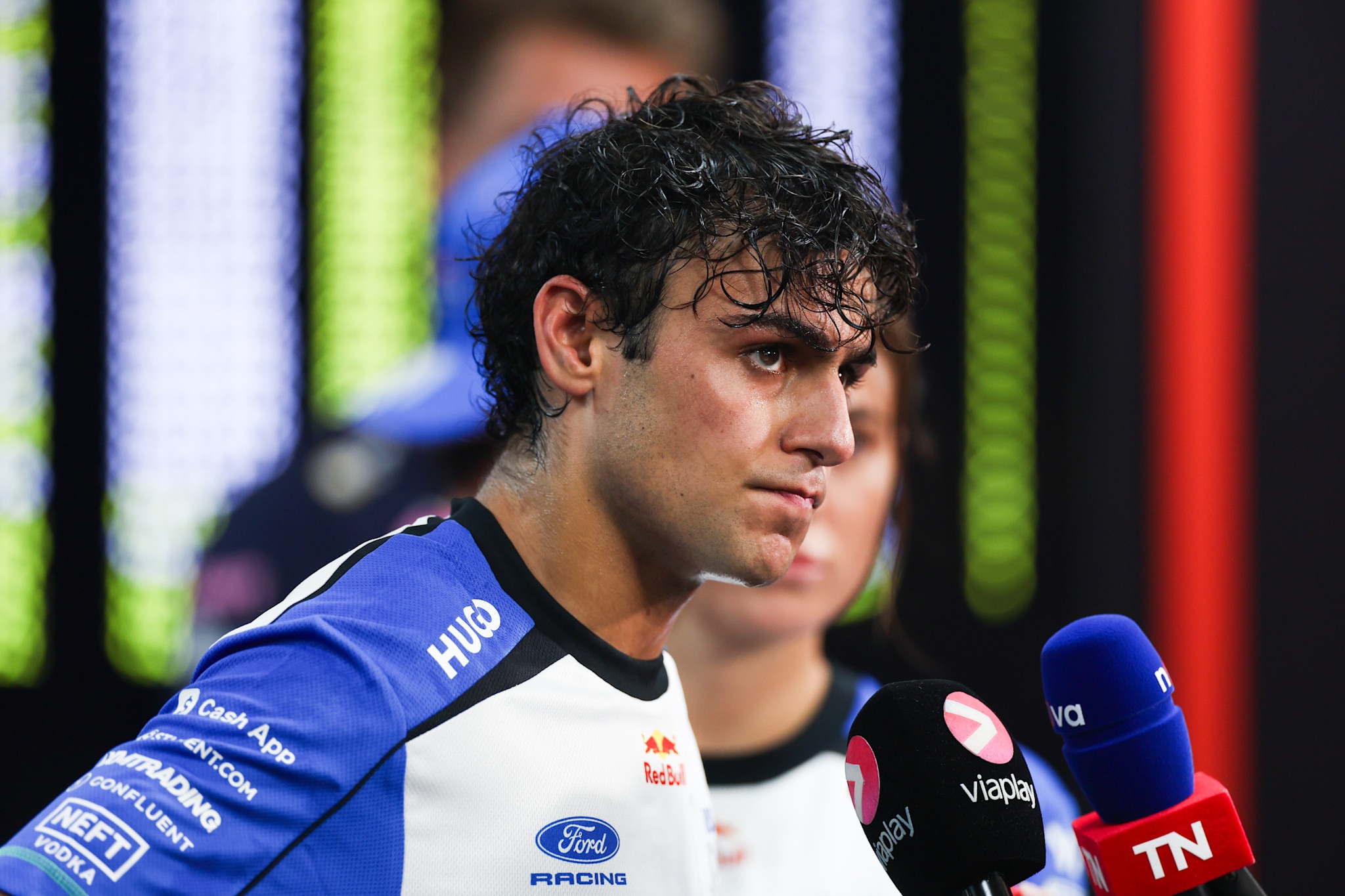
Lindblad started ninth and finished fifteenth. He said being squeezed by multiple cars before Turn 1 required braking to avoid contact, losing several places.
He also managed car problems while driving and was passed on straights. He did not blame everything on machinery: pleased with qualifying execution, he still felt recent personal form was below his best and wanted a reset with the team before Austin.
INKA SPORTS analysis: Why ten points still do not secure a seat
Lineup selection also creates opportunities for youth. Retaining both current drivers uses demonstrated ability; bringing the F2 prospect requires a vacancy. Permane's present-and-future criteria concern combinations. Lawson's points strengthen immediate evidence, but longer-term choices remain.
Lindblad's assessment requires separating performance and circumstances: qualifying satisfaction coexists with first-lap crowding, car issues and personal form concerns. Repeated first-lap losses or poor qualifying-to-race conversion without similar car problems would leave his concern unresolved; improvement supplies new developmental evidence.
Conclusion
Singapore adds actual points to Lawson's case, while selection balances current ability and youth development. Next races test sustained conversion for Lawson and improved first laps and racing for Lindblad. The final lineup and explanation will show that balance.