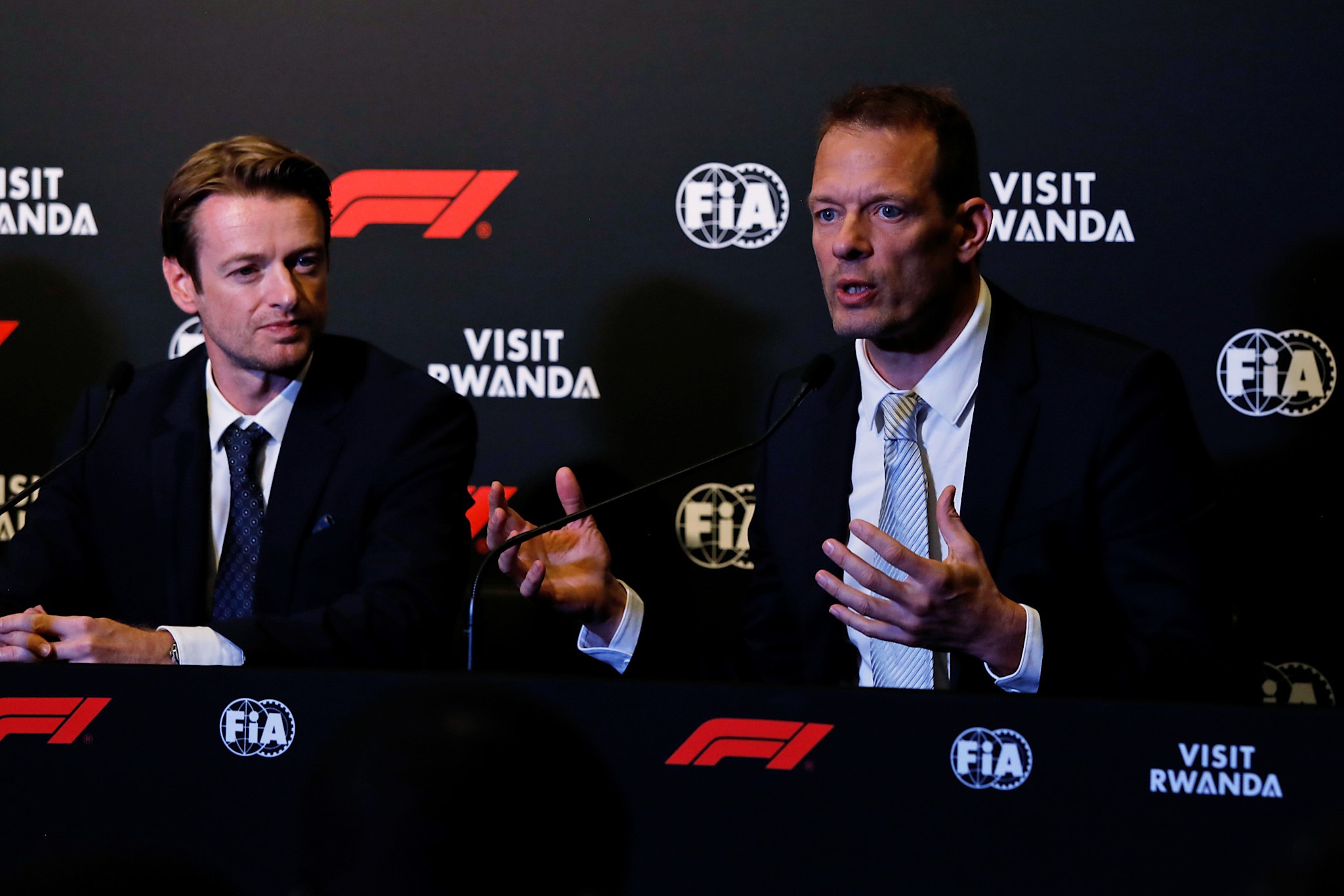
After Rwanda and F1 agreed a ten-year hosting deal, designers disclosed more of Bugesera's new circuit: around six kilometers, anticlockwise, seventeen corners and 197 meters of elevation change over a lap. In F1's October 13 introduction, former F1 driver Alexander Wurz said hills and a lake guided selection, with overtaking conditions part of the design.
Two hills and a lake establish the layout's starting point
Wurz recalled considering a street race, the old airport and other sites before Bugesera's terrain emerged as the best fit. The location is near Kigali's new international airport, planned to open early in 2028. The first F1 race remains targeted for the early 2030s without a specific date.
Wurz and the Tilke team want driving challenges and racing opportunities. Tilke emphasized passing places, different strategies and spectators close to the track. The full layout is not public and current pictures are project renderings.
Plans include karting, a driving-experience center and off-road facilities. Paddock buildings reflect Rwandan architecture and multipurpose spaces may host concerts. These are intended uses, not operational facilities.
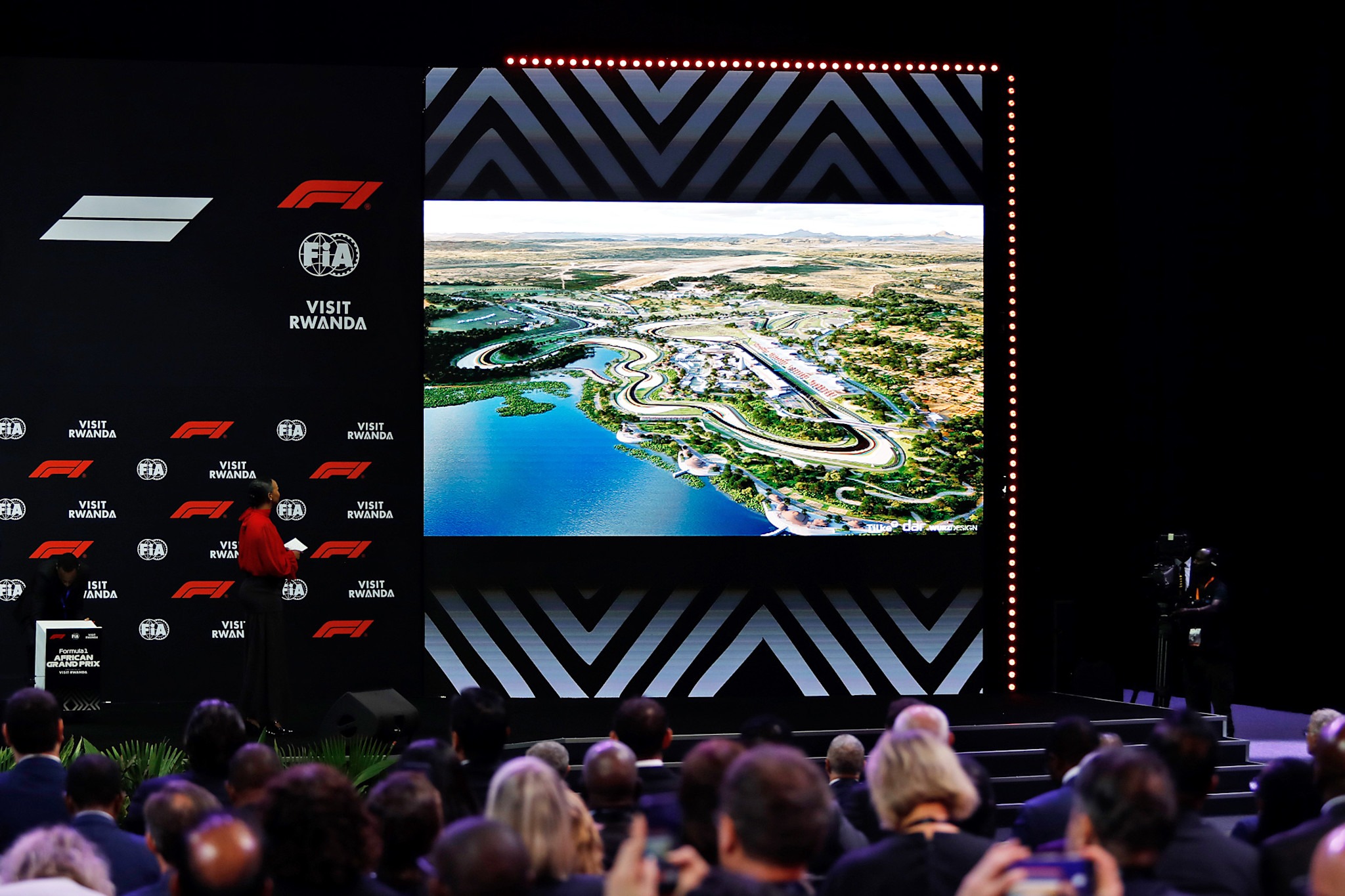
Disclosed circuit plans
| Item | Current plan |
|---|---|
| Length | Around 6 km |
| Direction | Anticlockwise |
| Corners | 17 |
| Elevation change over a lap | 197 meters |
| Complete layout | Not yet published |
| First event | Early 2030s; exact date pending |
Kigali lies around 1,500 meters above sea level. Wurz said lower pressure affects aerodynamic grip, so simulations incorporate it and vary corner banking, the surface's side-to-side slope. This differs from longitudinal climbs and descents.
INKA SPORTS analysis: Overtaking needs more than elevation
Hills create distinct driving, but elevation alone does not let a pursuer attack. Wurz's simulations combine banking, front-rear tire demands and subsequent long straights, aiming to disadvantage the defender before the next straight and create closing opportunities.
This explains the twin focus on difficulty and racing: completing a lap differs from effective attack and defense with two cars close. The final corner-straight connections and actual following performance must test today's design direction.
Conclusion
The project seeks natural terrain combined with racing-friendly corners, beyond large elevation changes alone. Six kilometers and seventeen corners define scale; final layout, construction and running determine delivery. For the ten-year deal and first-event background, see our earlier report.