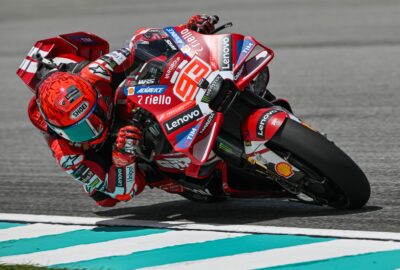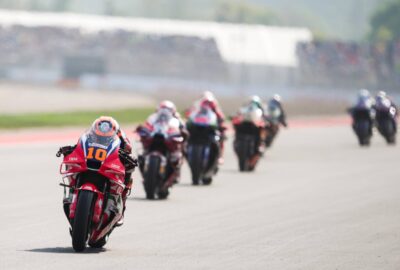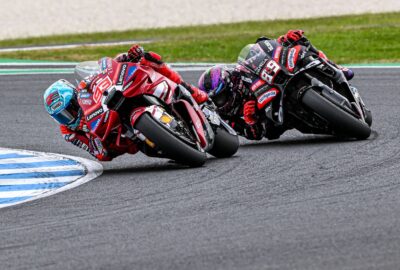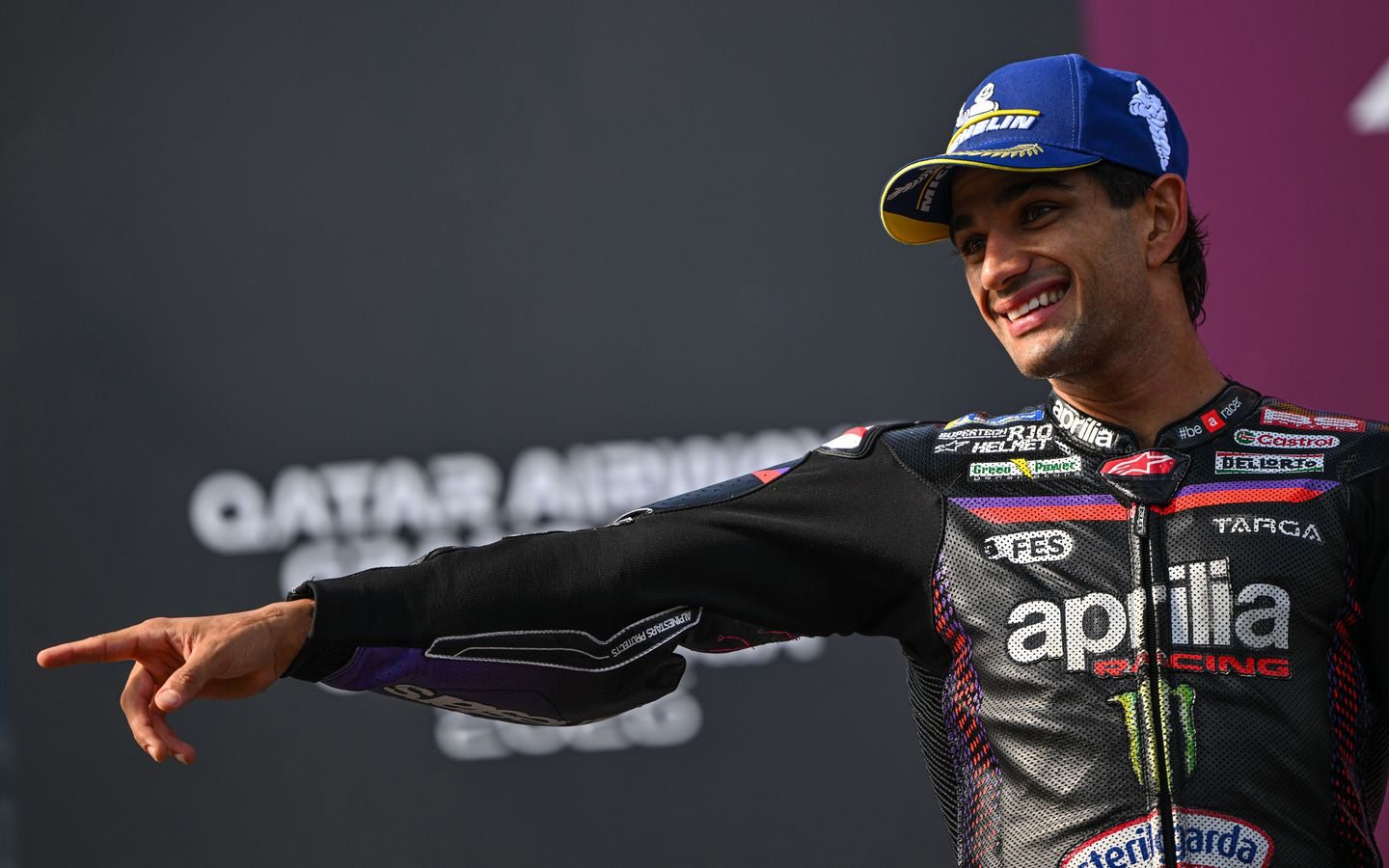
Jorge Martin finished second in the MotoGP Austrian Grand Prix on 20 September and subsequently said he would not undergo arm surgery immediately. In a post-race interview published by Motorsport.com, he described feeling physically better in Austria after the discomfort he had experienced at Misano, and said he wanted to continue with his current approach for the time being.
Martin said he might have been more tense at Misano and that something had indeed limited his performance. In Austria, however, he had felt good from Friday onwards. He offered two possible explanations: he was riding better, or the treatment he was receiving was helping. These were the rider’s explanations for the change, not confirmation that the improvement could be attributed to just one of those factors.
Why his decision still left room for reassessment
Martin said he would first rest and recover from two physically demanding races before beginning the overseas rounds. He saw the decision not to have surgery immediately as good news and also mentioned the risks of an operation. At the same time, he said he would continue to assess when surgery might be appropriate and what would be best for him. Postponing it did not mean he had ruled it out permanently.
The Austrian result provided the competitive context for his assessment at the time. Aprilia’s official race report recorded Martin finishing second and leading the championship on 306 points afterwards. Ducati’s official account put Marc Marquez on 294, a gap of 12 points. In the interview, Martin said he believed he could perform at his best and fight for the title in his physical condition at the time. That was an expression of his confidence.
What the Japanese Grand Prix on 4 October subsequently showed
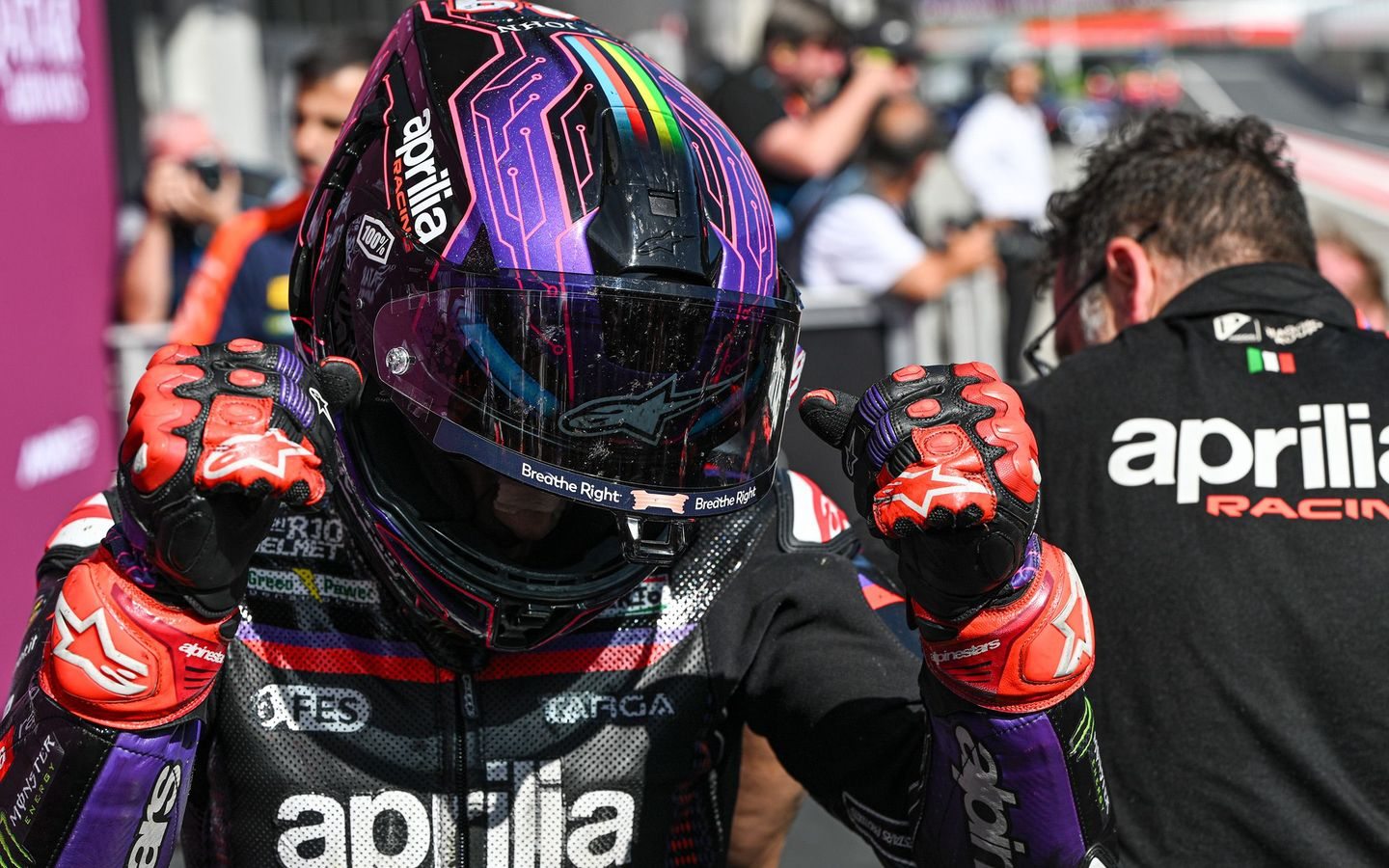
At the Japanese Grand Prix on 4 October, Martin again finished second in the race, this time behind winner Marc Marquez. MotoGP’s official report confirmed that the gap between them had been 12 points before the Japanese round and had narrowed to 2 afterwards. That brought the title contest closer: the 12-point advantage Martin held after Austria no longer provided the same cushion.
INKA SPORTS Analysis: What a podium can and cannot establish
Martin’s account of how he felt and his Austrian result support a limited conclusion: he felt an improvement at the time and was able to finish second, prompting him not to have surgery immediately. Neither establishes which treatment had worked, let alone that the problem had been completely resolved. Martin himself left open different explanations for the improvement and retained surgery as a future option, making clear that postponement was a decision for that stage of the season.
Another second place in Japan provided a subsequent race result after he had looked ahead to the overseas rounds, but a finishing position alone still could not establish the state of his condition or the effectiveness of a treatment. Meanwhile, the reduction of his lead from 12 points to 2 reflected the two title contenders’ points totals, not a direct measure of how his arm was feeling. Competitive performance, physical feedback and an individual’s medical plans each require evidence relevant to that question.
Conclusion
Martin’s decision to postpone surgery after Austria rested on the physical improvement he felt at the time and his ability to compete; it was not a declaration of permanent recovery. Second place in Japan on 4 October supplied a later race result, while his points advantage had fallen to 2. His physical feedback at the time and the later changes in the championship each had their own evidential basis. Neither could be inferred directly from the other.