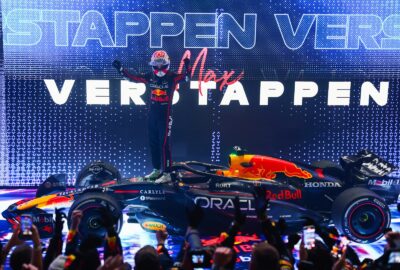
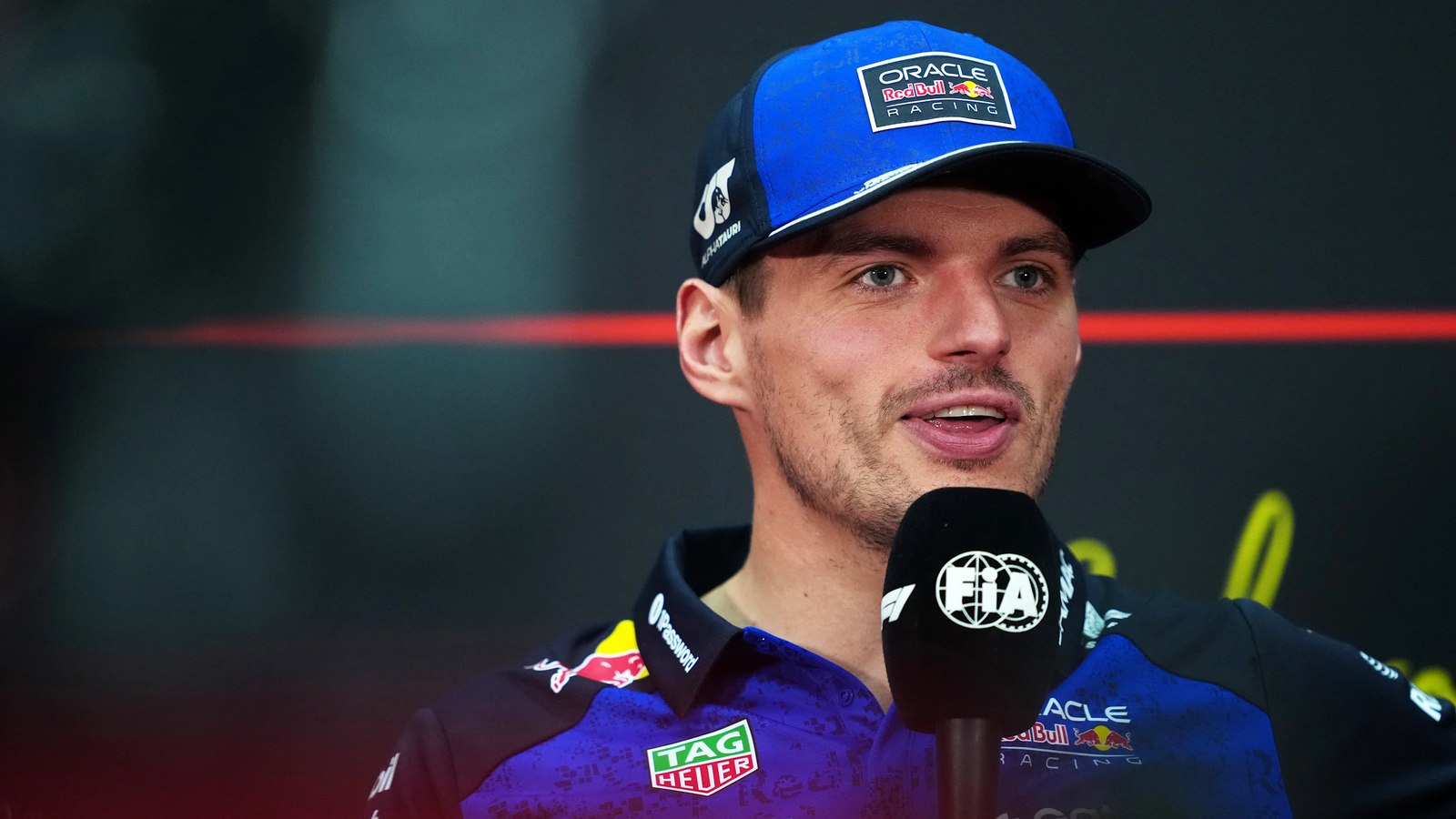
Max Verstappen said at Sepang on October 1 that he wanted to win at least one Formula 1 race in 2026. He finished less than two tenths behind George Russell in Azerbaijan, with team-mate Isack Hadjar third. Red Bull had both cars on the podium, while Verstappen was still seeking his first win of the season.
Verstappen liked the Baku upgrade, but Sepang posed a different test
Verstappen was pleased with the parts Red Bull introduced in Baku and pointed out that the circuit had long suited the car. Its many right-angle corners and limited high-speed running make it an unusual test. Sepang’s medium- and high-speed turns would show the team how the car behaved in a different setting. Red Bull arrived fourth in the constructors’ standings with 263 points. Verstappen still saw Mercedes as the benchmark for most of the season.
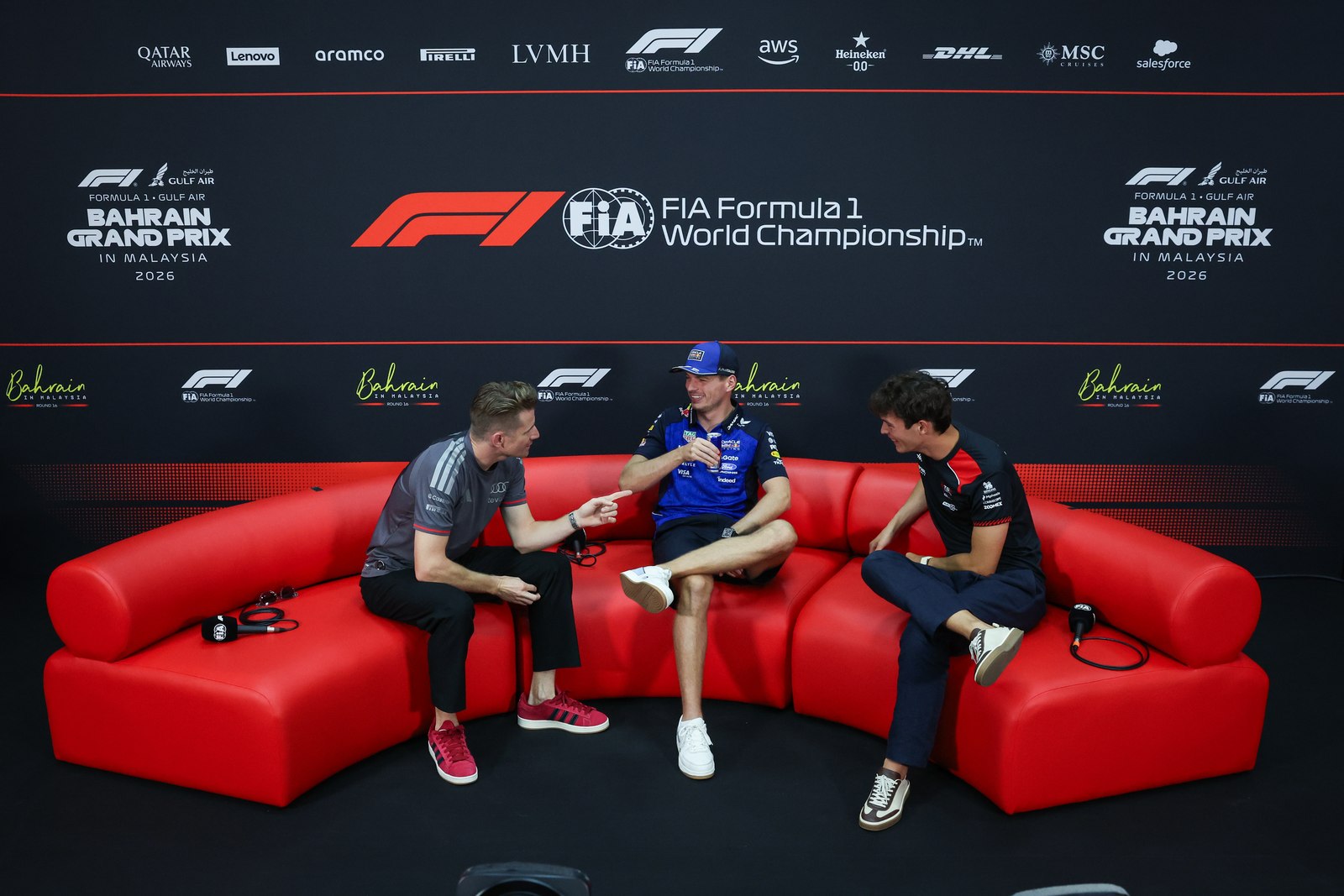
F1 last raced at Sepang in 2017, when Verstappen won. He liked the layout and remembered how heat, tyre degradation and the physical load had made it a demanding place to drive. Nico Hülkenberg told the same FIA press conference that the abrasive surface and mix of slow and fast corners would affect the race tyres.
Tyre degradation can affect electrical deployment
Verstappen rated the challenge of managing energy at Sepang somewhere in the middle. He pointed to the link between degradation on the rough surface and how the car deploys electrical power. The driver can use it to accelerate, attack or defend. As grip changes over a stint, the driver and team have to judge when it can be put to use most effectively.
INKA SPORTS analysis: Can Red Bull carry its Baku pace to a different circuit?
Red Bull put both cars on the podium in Baku, where Verstappen finished 0.196 seconds behind the winner. Baku had suited the car before, so one result could tell the team only so much about what the upgrade contributed. Sepang’s faster corners and abrasive surface put different demands on the tyres, and degradation could affect when drivers used electrical power. Sustained pace on runs with comparable tyre compounds and tyre age, backed by driver feedback that they could still use electrical power to attack or defend as the tyres wore, would be stronger evidence that Red Bull could carry its Baku pace to Sepang.