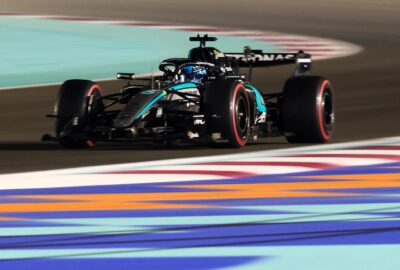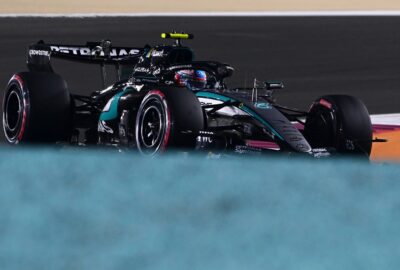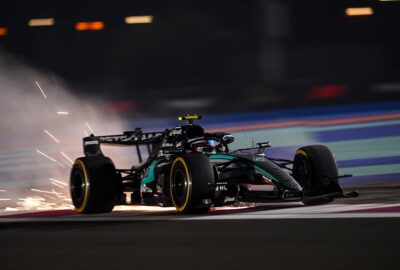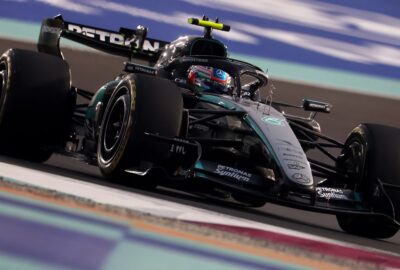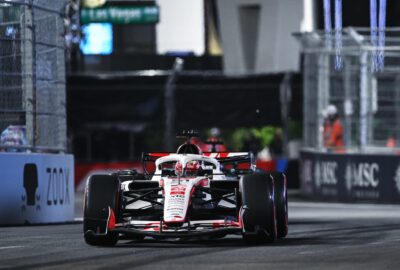

Isack Hadjar said in a Formula 1 interview published on September 30 that the hardest part of racing alongside Max Verstappen was matching the level he could maintain around a whole lap and repeat on the next run. Hadjar identified qualifying, the start and the first race stint as areas he needed to link together.
Fast in a few corners, quick around the lap
Hadjar imagined a circuit with 15 corners. He might excel in several of them, but Verstappen could match him there and maintain the same level through the rest. Hadjar could see in the data how his team-mate drove each corner. Matching him meant doing those things well through more corners and more laps.
Hadjar gave the example of finding another 0.05 seconds in qualifying and starting two places higher. He still had to hold position at the start and manage the first set of tyres with a full fuel load. Getting those stages right in sequence could carry his pace into the race.
How the two Red Bull drivers reached the Baku podium
Hadjar started fourth at the Azerbaijan Grand Prix and Verstappen eighth. Verstappen said he had an engine issue in qualifying. In the race he worked up to third on mediums, switched to softs under the Safety Car and moved into second at the restart. He finished 0.196 seconds behind winner George Russell. Hadjar took third.
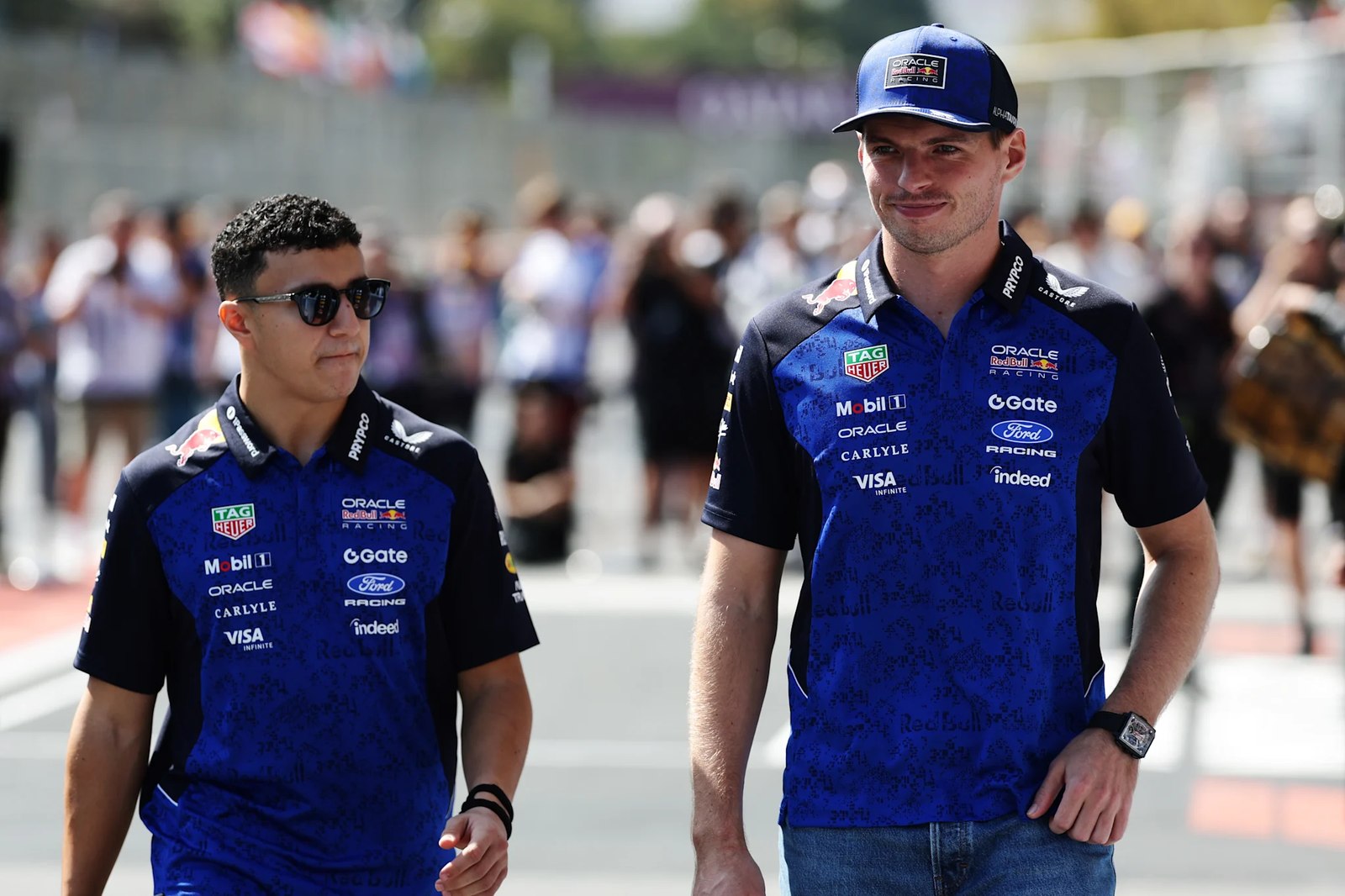
Verstappen said a higher grid position would have meant fewer cars to pass. He still thought Russell would have been hard to overtake even from second on the grid. Hadjar said he had built confidence session by session and had found better through-corner balance and braking than in Budapest.
INKA SPORTS analysis: How grid position carries into the race
Baku gave Hadjar’s point a practical example. Verstappen’s qualifying problem left him on the fourth row. He reached third on his first set of mediums before the tyre change and restart helped him move up another place. A qualifying setback can leave a driver with more cars to pass and different demands on the opening set of tyres.
Hadjar went from fourth to third while building confidence on a track where mistakes can put a car in the wall. The team-mates had different qualifying and race experiences. Their comparison is clearer when it takes in lap-to-lap consistency, whether each driver holds position at the start and how long each can sustain pace on the first set of tyres.