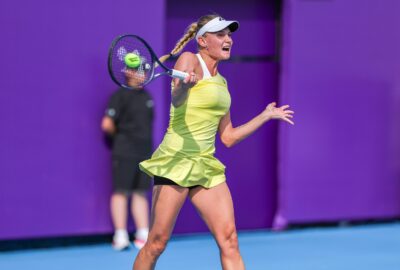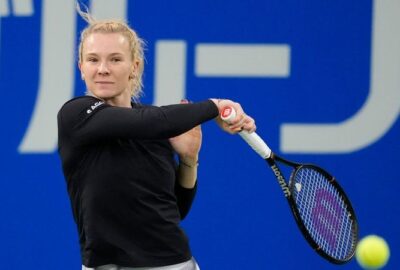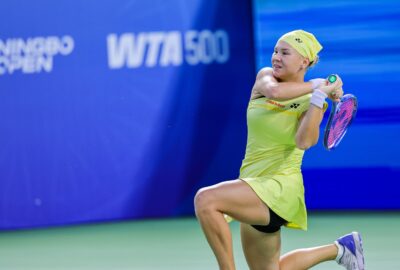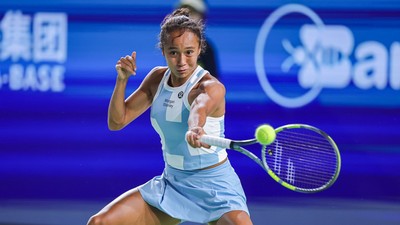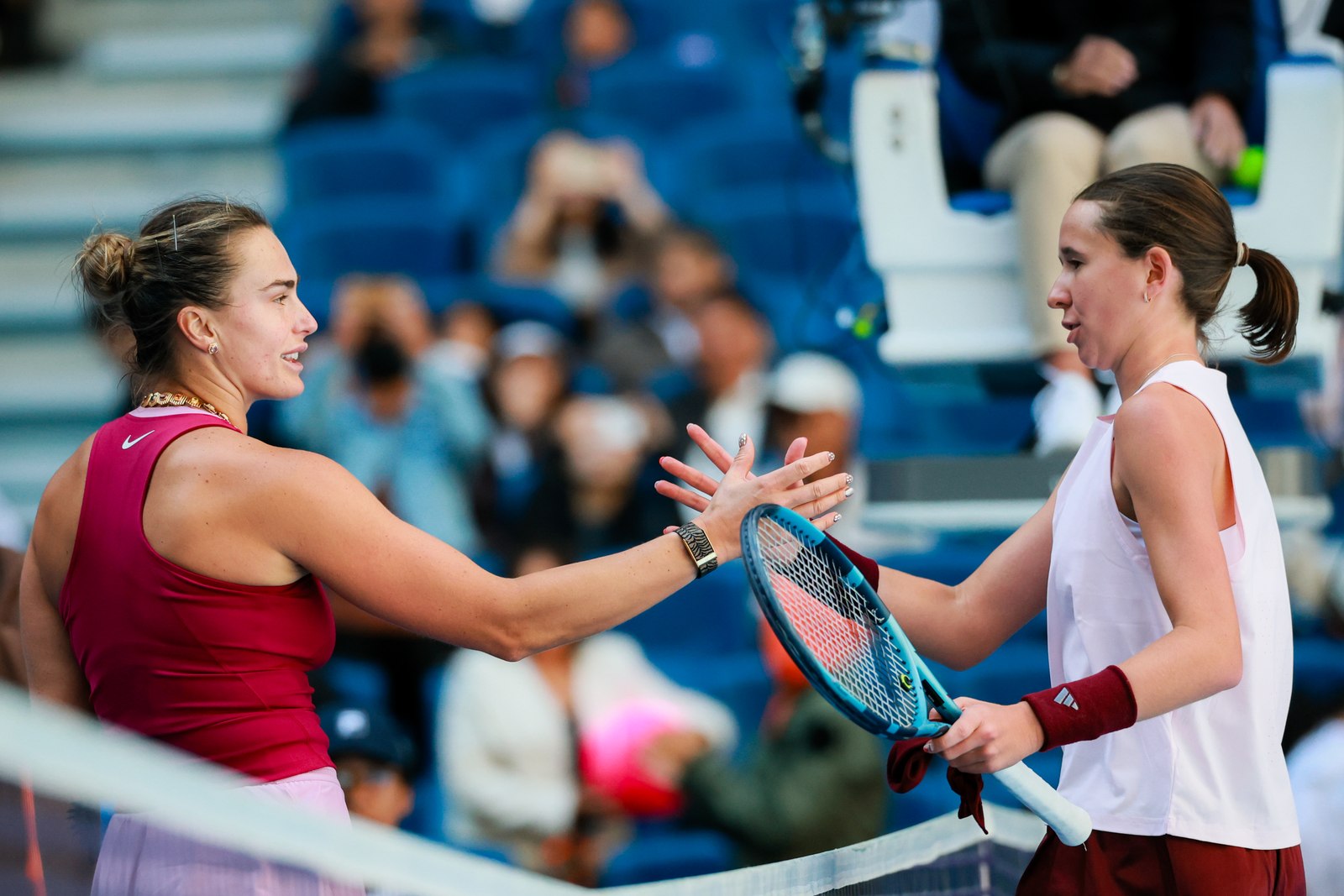
The China Open women’s singles third round produced another upset on October 4. Czech world number 34 Nikola Bartůňková defeated second seed Aryna Sabalenka 6–4, 6–3 in 1 hour 35 minutes, reaching the last 16 of a WTA 1000 event for the second time this season. She next faces Austria’s Sinja Kraus, who beat Yastremska in another match.
The turning points: a first-set service crisis and how both sets ended
Bartůňková broke Sabalenka in the opening game. In the sixth game of the first set, she saved five break points and held for a 4–2 lead. She then missed three chances to extend her break advantage in the next game, but held her remaining two service games to love to take the set 6–4. All five of Sabalenka’s break points in the match came in that sixth game.
In the second set, Bartůňková again broke first to lead 3–1. She faced no break points in the set and broke Sabalenka again in the ninth game to finish the match 6–3. Sabalenka could not carry the return pressure from that crucial first-set game into the second.
Serving statistics: first serves in and first-serve points won measure different things
WTA match statistics show that Bartůňková landed 47.5% of her first serves, below Sabalenka’s 64.5%, but won 82.8% of first-serve points, substantially above her opponent’s 53.1%. The first figure measures how often a first serve lands in the service box; the second measures how often the server wins the point after it lands, including subsequent rallies. Both players hit four aces, but that does not mean their service games were equally effective.
According to the WTA’s post-match report, Bartůňková still felt her serve could improve, linking her low first-serve percentage to the wind and the difference in temperature between the two ends of the court. Sabalenka discussed the difficulties of returning in shade and sunlight and acknowledged that she had not handled them well.
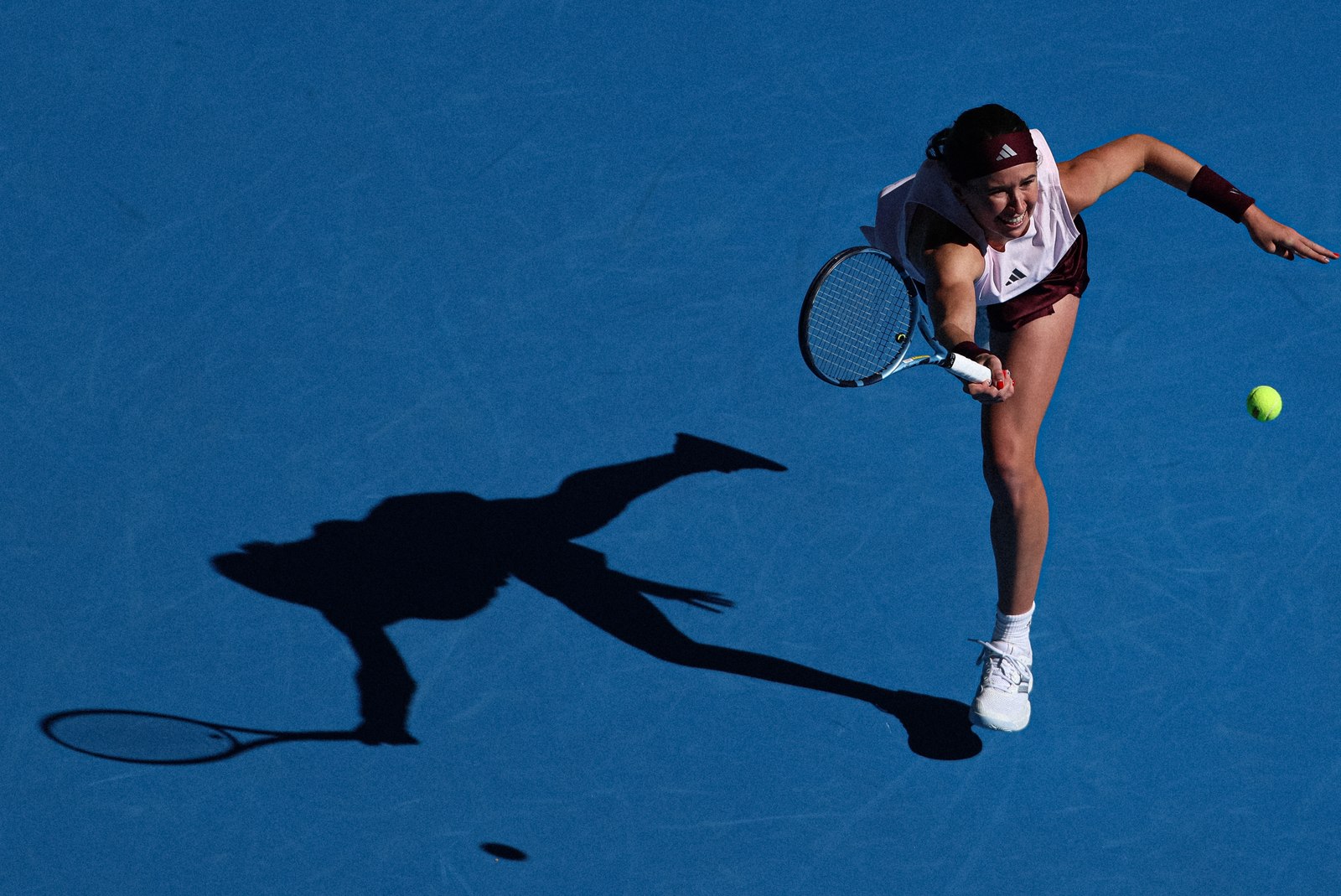
Their previous meeting: a lost lead in Berlin, a straight-sets win in Beijing
In the quarter-finals of June’s WTA 500 grass-court event in Berlin, Bartůňková had won the opening set 6–2 and led 4–0 in the second before Sabalenka came back to win 2–6, 7–6 (2), 6–4. After her China Open victory, she said that close match had given her confidence that she could compete with the top players. On Beijing’s hard courts, she completed the breakthrough in two sets.
The top two women’s seeds departed less than 24 hours apart. On October 3, top seed Rybakina lost 6–3, 4–6, 3–6 to qualifier Charaeva in the second round; Sabalenka went out in the third. The upsets occurred in different rounds, and Bartůňková has now secured a last-16 place.
Full-match serving and break-point statistics
| Statistic | Bartůňková | Sabalenka |
|---|---|---|
| First serves in | 47.5% (29/61) | 64.5% (49/76) |
| First-serve points won | 82.8% (24/29) | 53.1% (26/49) |
| Second-serve points won | 56.2% (18/32) | 63.0% (17/27) |
| Service points won | 68.9% (42/61) | 56.6% (43/76) |
| Break points converted | 3/8 | 0/5 |
| ACE | 4 | 4 |
Source: the WTA’s official full-match statistics. Points-won percentages measure the outcome of the complete point beginning with the relevant serve.
INKA SPORTS analysis: protecting a lead despite a low first-serve percentage
Five break points in one game, then more secure holds
All five of Sabalenka’s break points came in the sixth game of the opening set. Bartůňková held to preserve her 4–2 lead. Although she then missed chances to extend her break advantage, two holds to love secured the set. Sabalenka earned no break points at all in the second set. The turning point is therefore clear: concentrated pressure in one first-set game did not produce a break, and she could not sustain the same pressure on her opponent’s serve afterwards.
Four aces apiece, but different efficiency on serve
Sabalenka landed more first serves, yet won only 53.1% of those points, meaning Bartůňková still took almost half of them. Bartůňková’s own first-serve points-won figure was 82.8%. That explains why four aces each still produced markedly different service outcomes: Bartůňková landed fewer first serves but more often won the complete point when she did. Their overall service points-won figures were 68.9% and 56.6%, a difference that describes their ability to hold serve in this match better than the ace count alone.
Second-serve points in the second set filled the gap
Bartůňková’s first-serve percentage fell from 55.6% in the opening set to 36% in the second, meaning more service points had to begin with a second serve. Yet she won 10/16 of those points, improving her second-serve points-won figure from 50% to 62.5%, and faced no break points in the set. Her service games did not collapse as her first-serve percentage declined. The win was therefore supported by more than the full-match figure of 82.8%: her competitiveness in rallies beginning with a second serve also helped her protect the lead to the finish.
Conclusion
Bartůňková first survived the sixth-game service crisis in the opening set, then continued to limit Sabalenka’s returning opportunities in the second. Her low first-serve percentage remains a weakness she identified herself, but her efficiency after landing a first serve, together with 10 second-serve points won and 6 lost in the second set, helped her protect the lead and finish in straight sets.