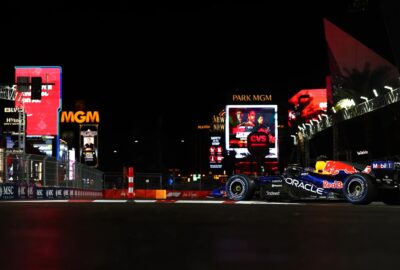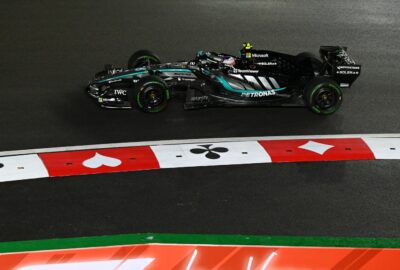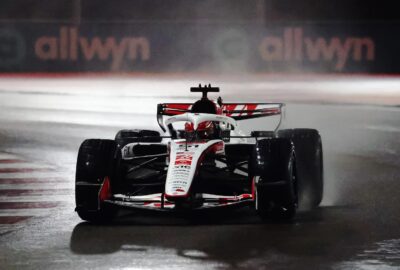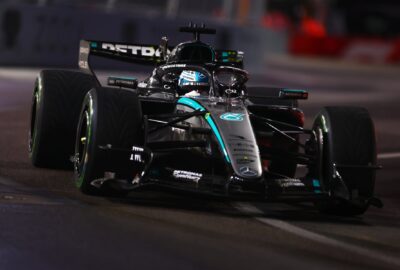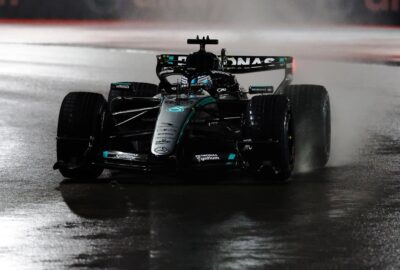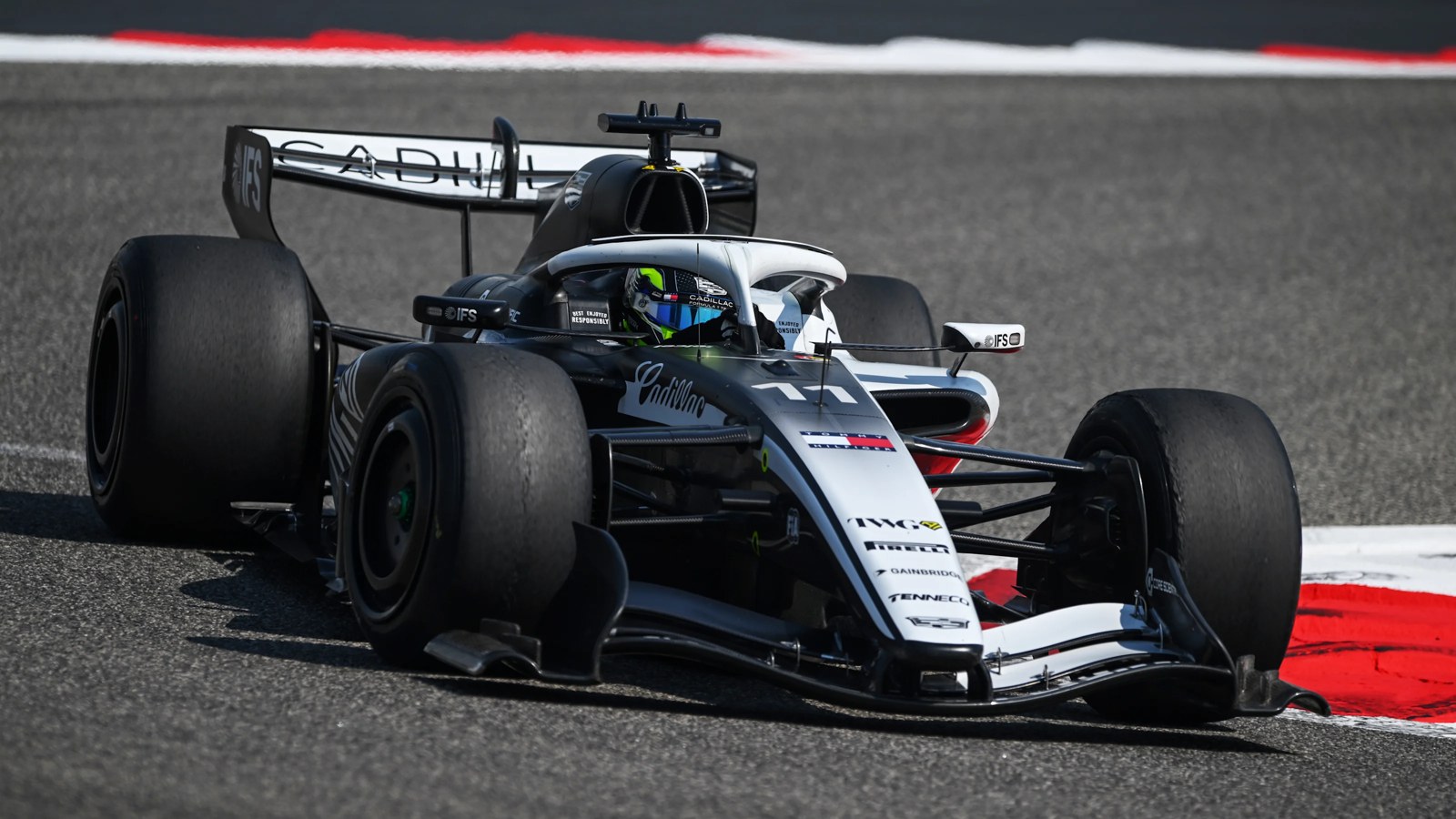
Formula 1's next power unit could pair a 2.1-litre turbocharged V8 with limited hybrid assistance and advanced sustainable fuel from 2030. The FIA announced unanimous agreement on that framework and will present a definitive version to the World Motor Sport Council in Shanghai next month. Regulatory changes still require the council's approval.
It would be the first V8 in F1 since 2013. The sound forms part of the appeal for the governing body, but the cylinder count tells only part of the story. The proposed package brings turbocharging, hybrid power and sustainable fuel together in a specification of its own.
A lighter chassis alongside the new engine
The FIA wants a simpler, lighter and less expensive power unit paired with a lighter, more agile chassis. That pairing matters when two drivers are fighting for position. The proposal concerns both the power available on the straight and the car a driver has to place through a corner. Closer racing remains a design objective.
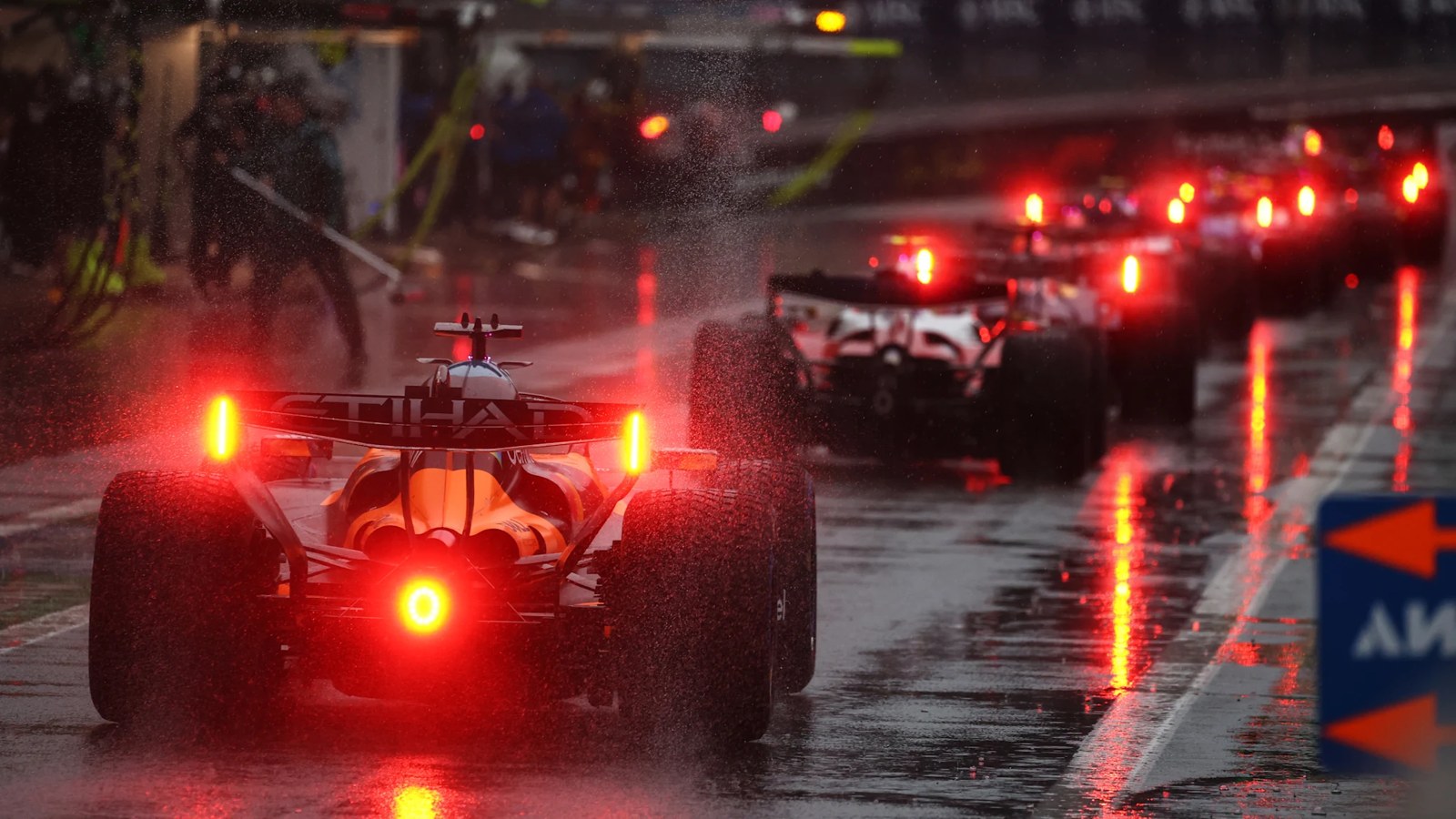
Cadillac has already explained what the date means for its own programme. Speaking at the Las Vegas team press conference, Dan Towriss said Cadillac would remain a Ferrari customer through 2029 and planned to bring its own V8 online in 2030.
INKA SPORTS Analysis and Summary: Why Cadillac is targeting 2030 for its own engine
For Cadillac, the year of the change determines which generation of engine it would take to its first race as a manufacturer. Introducing an engine in 2029 could have left it with a specification that raced for a single season. Targeting 2030 would align its debut with a full architectural change, although the timetable remains the team's plan.
The Shanghai meeting is the next decision point. The announcement does not specify a minimum car weight, hybrid output or a quantified cost reduction. Those details and the accompanying chassis rules will help determine whether the agreed architecture delivers the handling and racing the FIA wants.