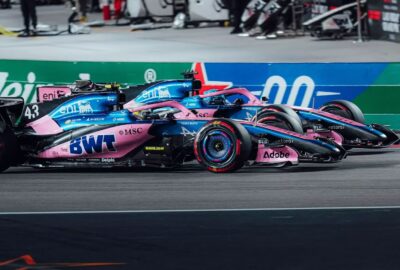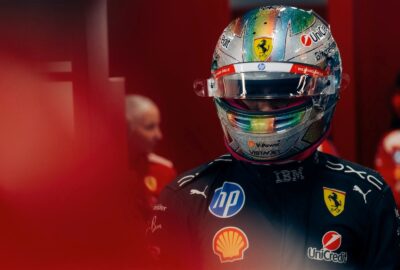
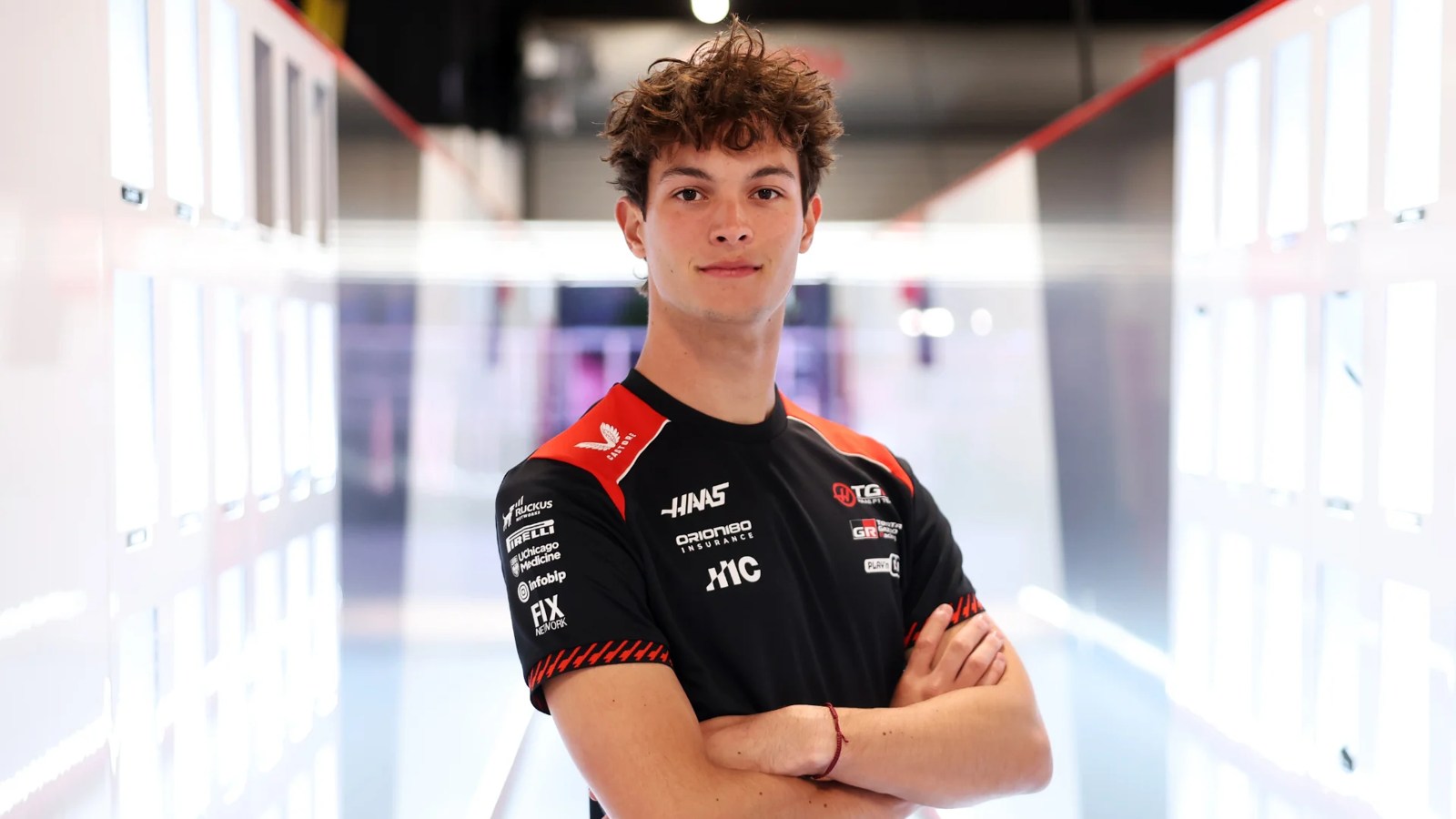
Haas confirmed on November 26 that Ollie Bearman will stay with the team in 2027 alongside Rafael Câmara. The 21-year-old Briton will enter his third consecutive season as a Haas race driver. He was still waiting for confirmation in Las Vegas last week. The announcement ahead of the Qatar Grand Prix fills the final seat on the 2027 Formula 1 grid.
Why Haas kept Bearman
Bearman first drove for Haas in practice in 2023. He made his F1 race debut for Ferrari in Saudi Arabia in 2024 as a substitute for Carlos Sainz, then stood in for Haas in Azerbaijan and São Paulo. In his first full season, he matched the team's best Grand Prix finish with fourth in Mexico City in 2025. He took fifth in China this year. Haas put his career tally at 48 starts and 71 points when it announced the deal.
Team principal Ayao Komatsu attributed the decision to Bearman's development, commitment and willingness to help improve the car. Bearman said the team's trust had been important in his development and that he wanted to build on the results they had achieved. The announcement confirms his 2027 seat. Haas gave no details of his contract beyond that season.
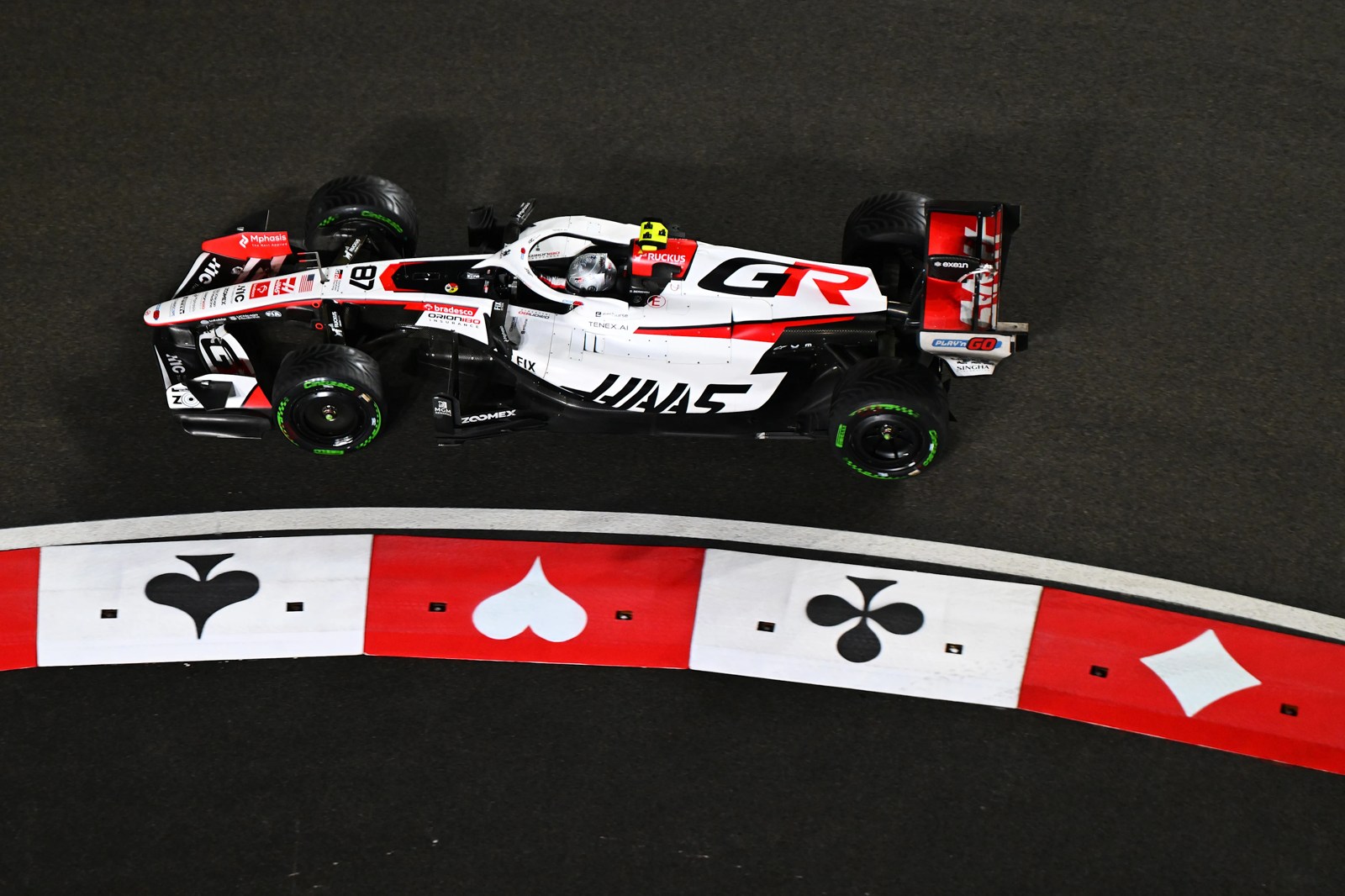
Câmara has already started working with the team
Haas confirmed Câmara as a race driver for 2027 in October, then brought forward his F1 debut to his home race in Brazil and lined him up for Qatar and Abu Dhabi. Both drivers came through the Ferrari academy. Bearman has driven across two sets of regulations, while Câmara is still building his experience of full Grand Prix weekends.
INKA SPORTS Analysis and Summary
Keeping Bearman gives Haas continuity with a driver who knows its previous car and has raced the VF-26 through its first season. With Câmara already racing for the same team, Haas can start comparing their qualifying preparation, long-run pace and tyre feedback with the same car and working procedures. The last two results will offer an initial reference. The better measure of the pairing is whether their feedback helps Haas distinguish weaknesses in the car from areas where each driver is still adapting.