
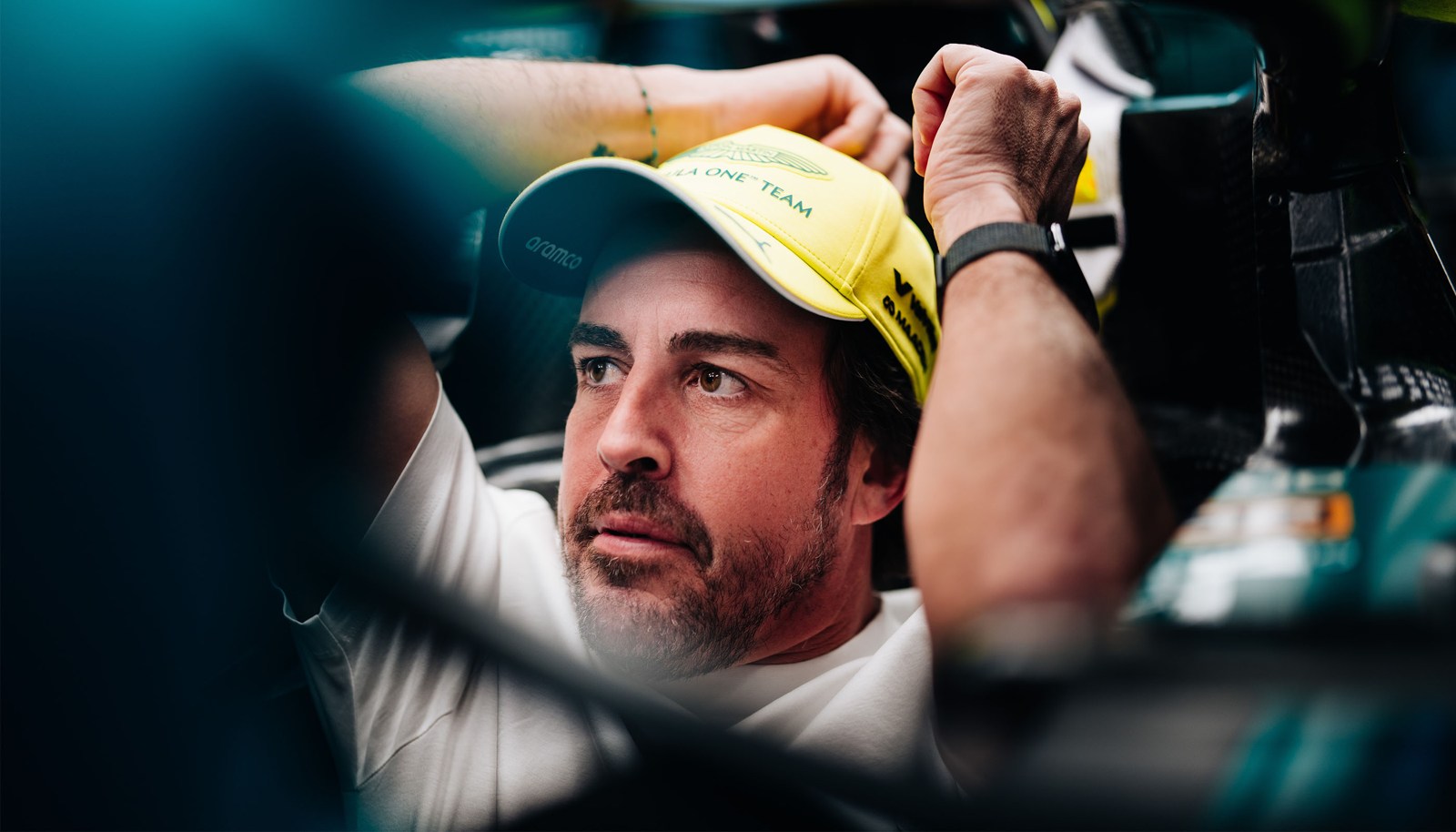
Fernando Alonso said in an Aston Martin interview published on November 24 that the team's Hungarian Grand Prix chassis upgrade delivered the expected gain and put it back in the midfield fight. He singled out power-unit performance and reliability as problems still to solve. In his estimation, the car can lose more than two seconds per lap on the straights alone at circuits such as Las Vegas.
What the Hungary upgrade delivered
Aston Martin brought a concentrated package of chassis changes to Hungary. The team's FIA submission listed revisions to the front wing, nose, floor and rear of the car. Honda also identified work on the rear suspension and the components around it. Alonso reached Q2 there for the first time this season, then scored at Zandvoort and in Malaysia. His eighth place at Sepang was the team's best Grand Prix finish of the year.
Alonso used Sepang to explain how he found a way to score. An early gamble on dry tyres did not work on the wet track, but a safety car gave the team a chance to reverse the move. He described deploying battery power in less conventional places to make passes, then holding off Lando Norris over the final three laps. The result gave the team a platform to build from, even as Alonso had to manage the straight-line deficit.
Las Vegas exposed a different set of problems
Honda's race report records Alonso passing Valtteri Bottas and Lance Stroll on lap 38 to move up to 15th. On the final lap, he closed on Stroll down the long straight, locked his left-front tyre under braking and ran wide. He then entered the pit lane and stopped near the entry. Alonso completed 49 laps and was officially classified 19th, while Stroll finished all 50 in 17th. Alonso said he had felt a power-unit problem. Honda's public account did not identify a failed component.
INKA SPORTS Analysis and Summary
Alonso's assessments of the chassis and power unit draw on different evidence. Reaching Q2 in Hungary and scoring at Sepang show that he had more scope to compete under certain conditions. The Las Vegas straight-line figure is his estimate and cannot by itself separate the effects of the engine, energy deployment and drag. The next test for Aston Martin is whether it can find straight-line pace, finish reliably and carry the balance it finds in practice into sustained wheel-to-wheel racing.