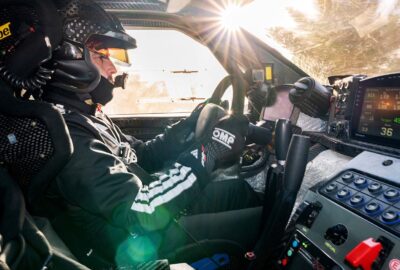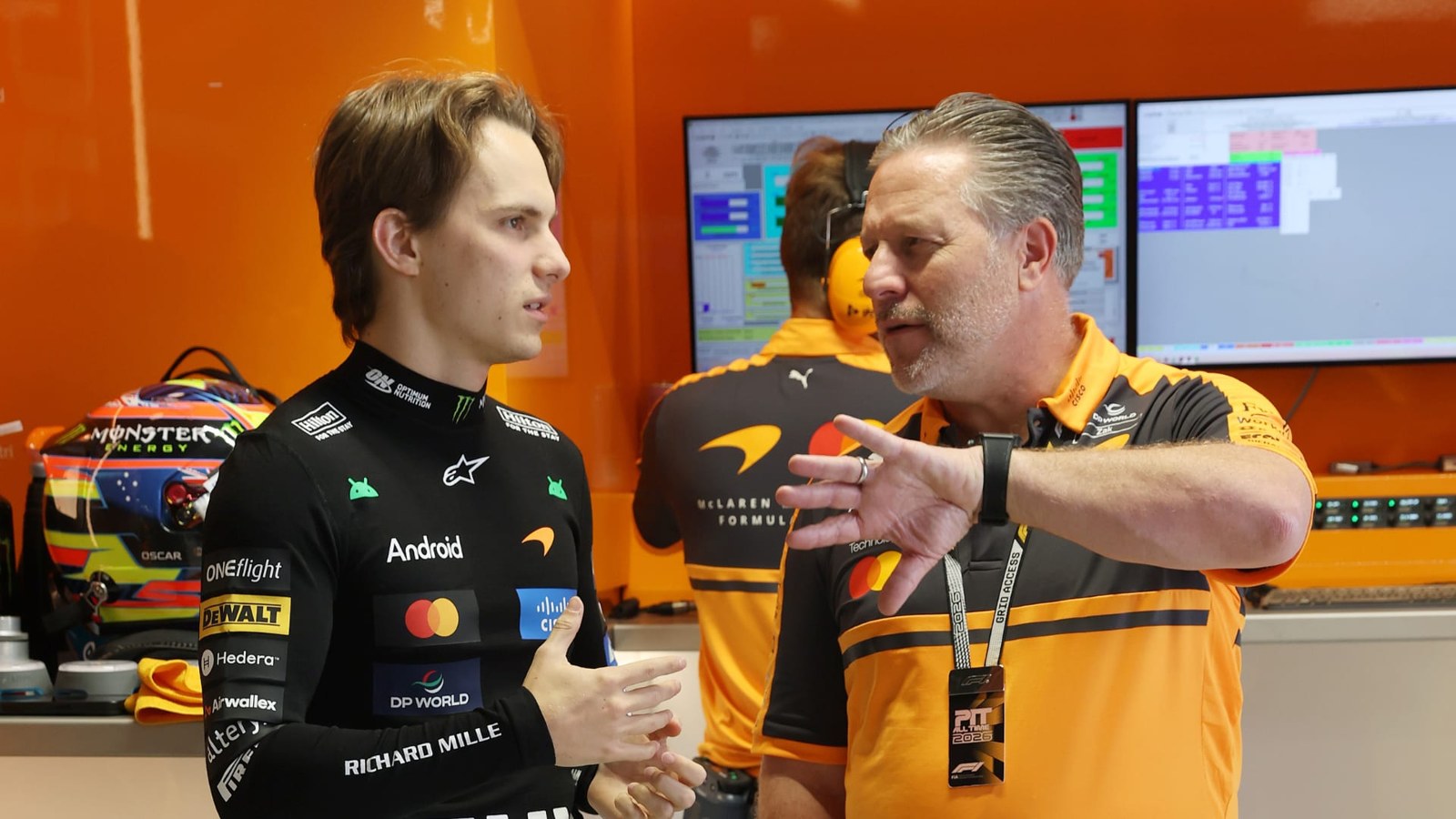
McLaren have gone from consecutive constructors’ titles to a fight for third in 2026. In interview remarks published on 17 November, CEO Zak Brown linked the difficulties to limited development resources, the demands of racing until the end of 2025 and the time needed to understand a new power unit.
The team has still shown race-winning form: Lando Norris won in Hungary, the Netherlands and Sao Paulo. Yet McLaren were fourth when the report was published, 17 points behind Red Bull. Brown’s account addresses why those wins have not produced a continuation of last year’s title challenge.
Success and the allocation of resources
McLaren won their first constructors’ title since 1998 in 2024, then secured both championships in 2025 as Norris became drivers’ champion for the first time. Under the sweeping technical changes introduced for 2026, rivals including Mercedes and Ferrari moved ahead.
Brown first highlighted wind-tunnel time: as the previous constructors’ champions, McLaren received the smallest allocation. He also noted that the team continued developing and competing until the final race of 2025, while some opponents switched their attention to 2026 earlier. He presented those as two elements of the development picture.
The wind-tunnel allocation and the previous season’s development choices affect different parts of the work: one limits available testing resources, while the other concerns how effort is divided between successive cars. Brown brought them together to explain McLaren’s development position entering the new rules cycle.
Understanding a new power unit as a customer
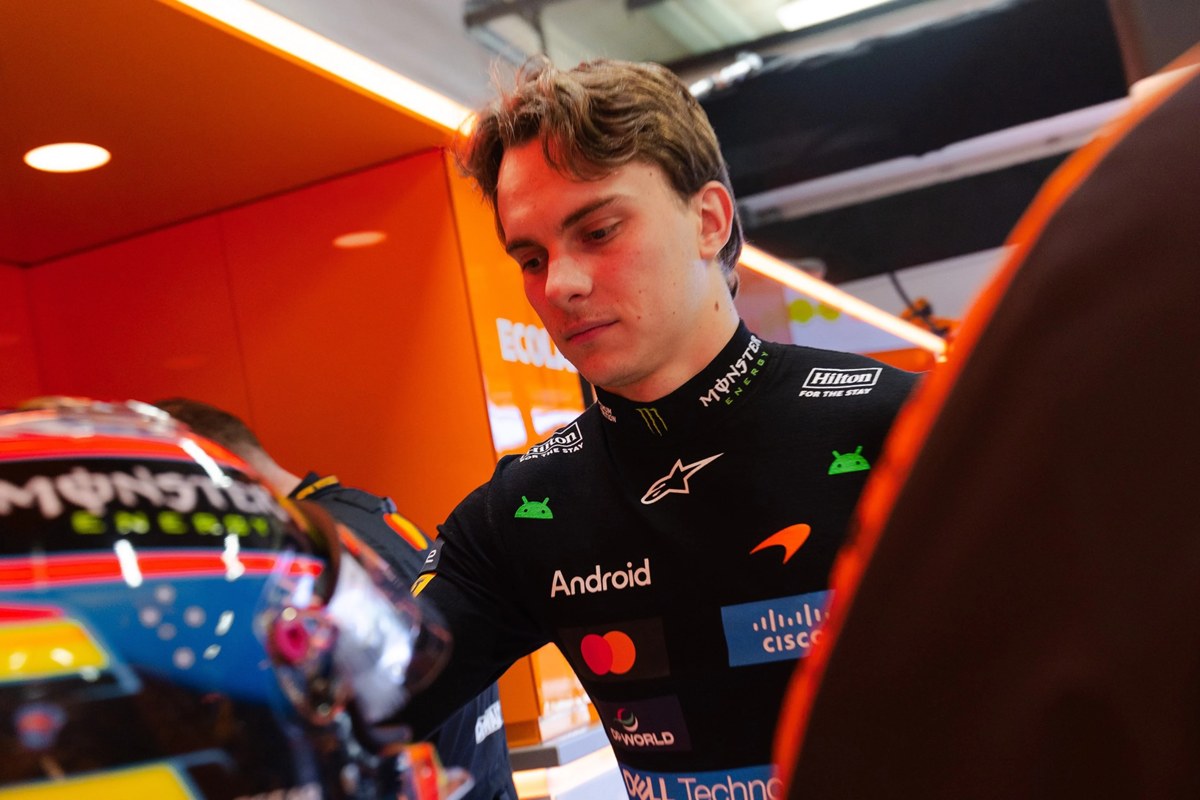
His third point concerned the new power unit. Brown believes a customer team needs time to understand new technology, while the works operation gains a head start through its involvement in development.
He said the team’s understanding is dramatically better than at the Australian season opener, while stopping short of claiming complete parity with the works team’s knowledge.
Brown stressed that context must lead to better work, rather than become an excuse for failing to challenge for the championship.
What changes for 2027?
Among the lessons from the MCL40, Brown identified weight, performance in slow corners, the power unit and energy deployment—how electrical energy is used around a lap. He expects the knowledge gained in 2026 to inform several changes for next season.
Brown also noted that a shorter wheelbase makes for a lighter car.