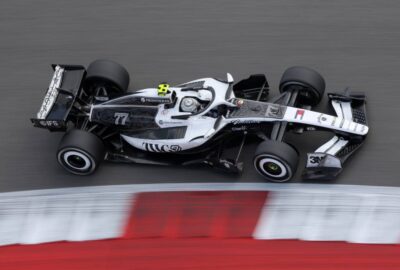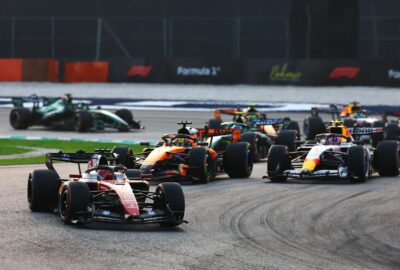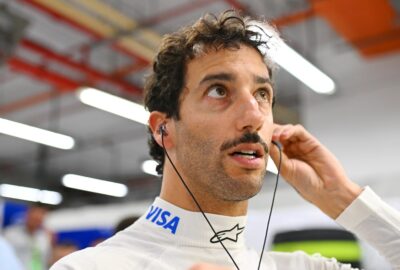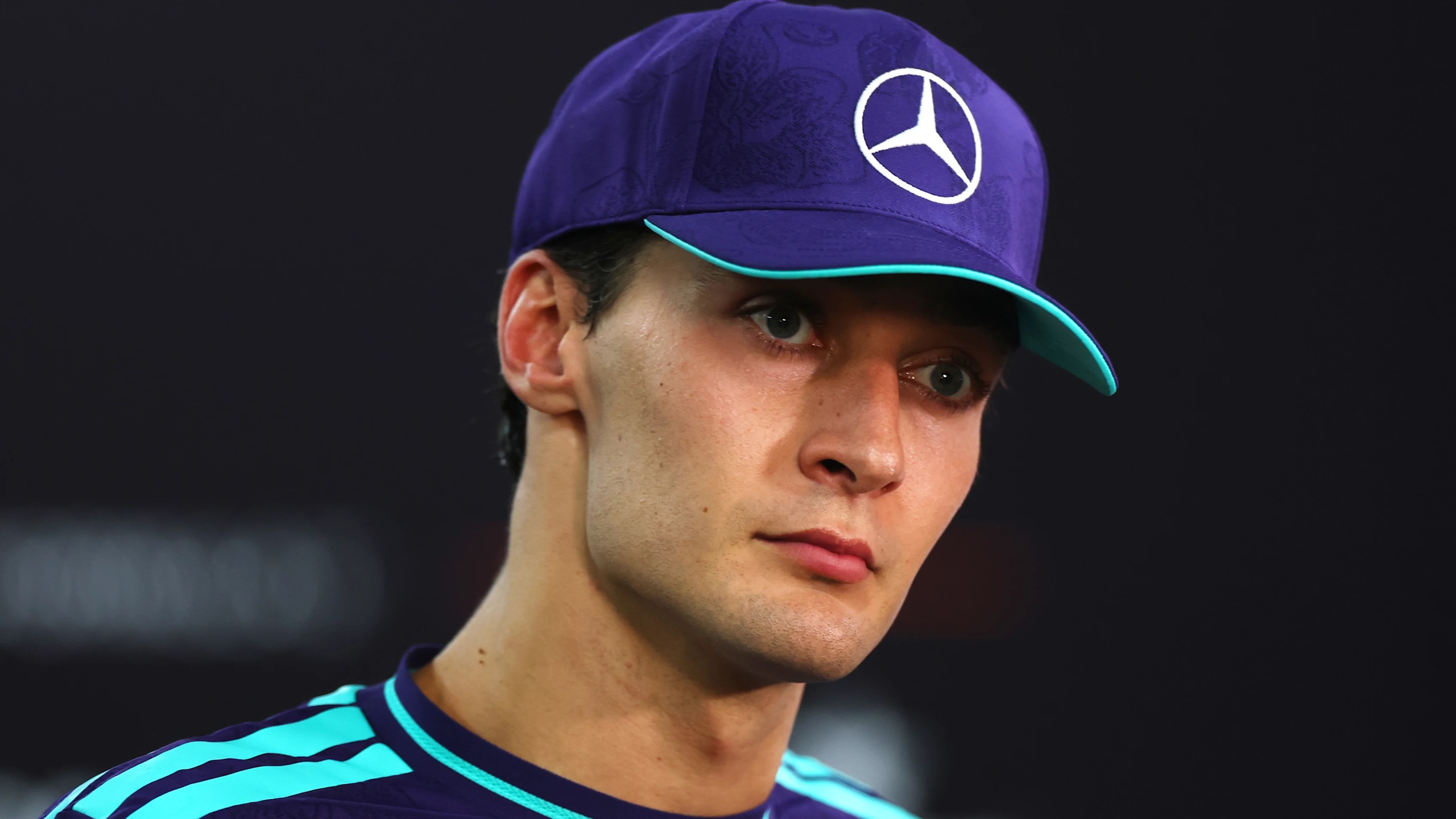
Russell started nineteenth and finished ninth in Singapore on October 11. The Mercedes driver praised the opening recovery, but the pit window and later overtaking difficulty prevented more.
Sixth in qualifying becomes nineteenth on the grid
He had qualified sixth, but replacing power-unit components after retiring at the previous round in Malaysia triggered the grid penalty and dropped him to nineteenth. Retiring from Saturday's Sprint lead and recovering from the back Sunday felt like a summary of a difficult season.
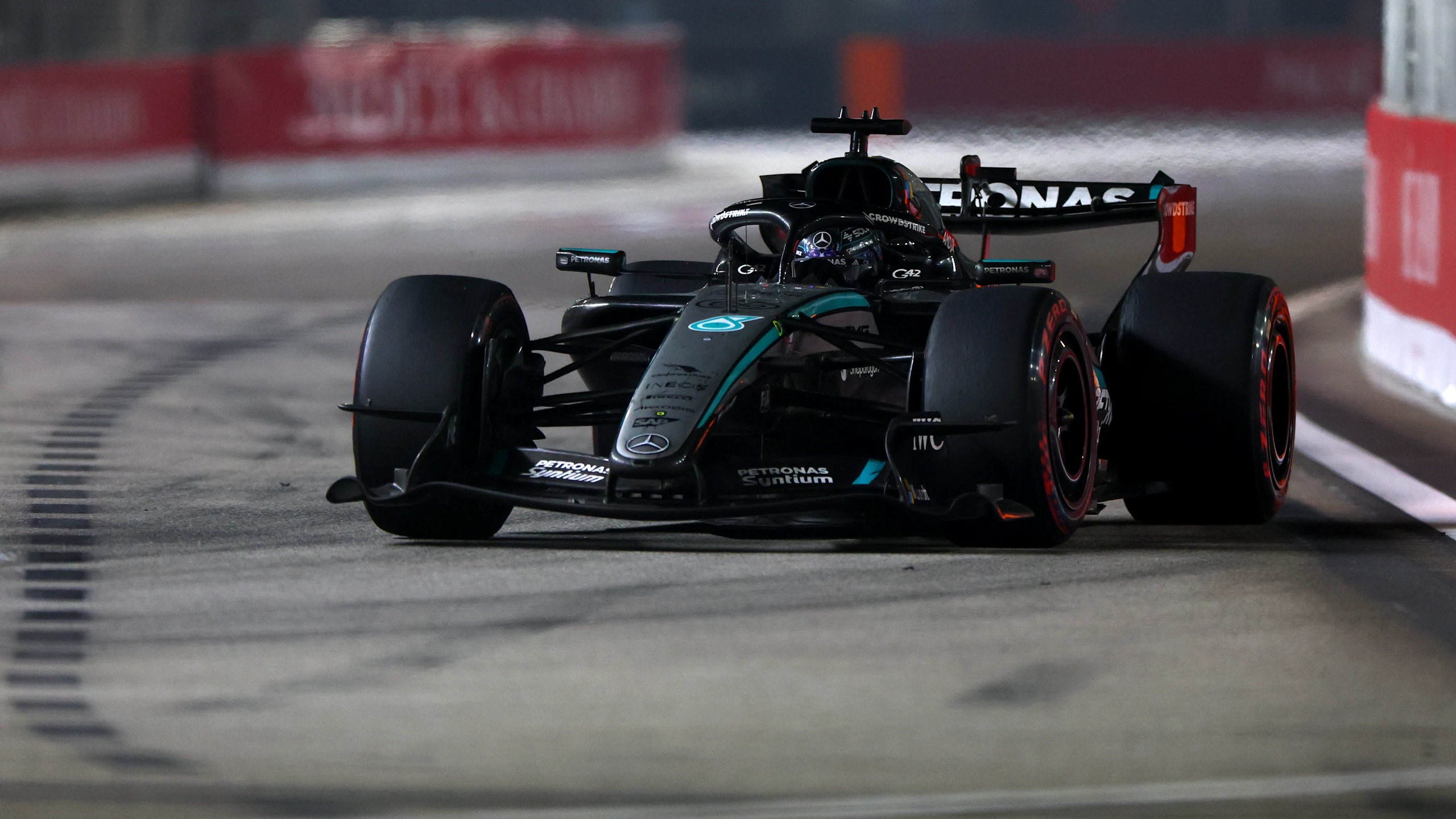
He reached the top ten in stint one before a Virtual Safety Car offered a stop. Cars reduce speed under a VSC, usually lowering a stop's relative loss, but it ended as he entered the pits, yielding only part of the benefit. Reviewing it, he felt a later stop had been possible.
Afterward, eighth depended on passing Audi's Hülkenberg. Russell caught him but could not overtake, praised the defense and considered further late risk unjustified, bringing ninth home.
Penalty timing is selectable, upgrade understanding remains
Russell expects another engine-related penalty, mentioning Las Vegas as an option. With timing now controllable, the team wants a circuit offering easier recovery. That remains his assessment of future plans.
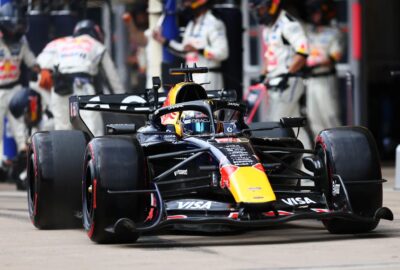
He prioritizes understanding recent upgrades and recovering early-season form against Red Bull's strong recent pace. That differs from penalty timing: one concerns normal-grid competitiveness, the other limiting new-component losses.
INKA SPORTS analysis: Why ten recovered positions still end at ninth
Ten net places did not mean continuous progress to the finish. After the top ten, passing Hülkenberg for eighth became decisive. His defense forced a choice between attack and existing points, with Russell ultimately prioritizing a result.
The VSC could reduce pit losses but its ending limited gains, and stopping did not replace subsequent overtaking. This was more than a pit-timing problem: component penalties altered the start, stopping shaped recovery and passing determined its endpoint.
Conclusion
Ninth delivered two points and illustrated rear-grid costs. Better timing for a possible future penalty can ease recovery, while upgrade understanding improves competitiveness from a normal starting position.