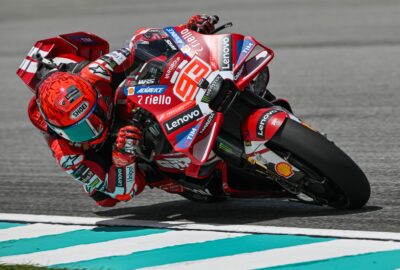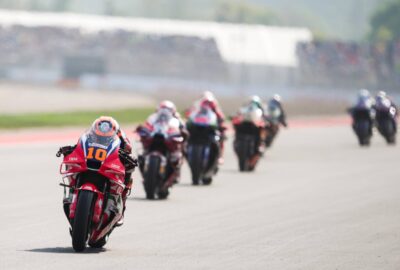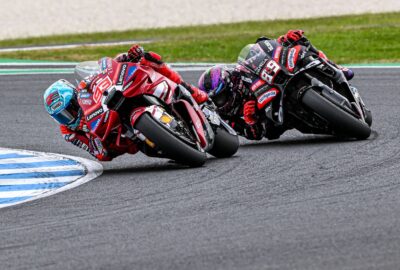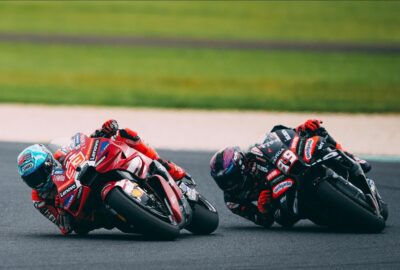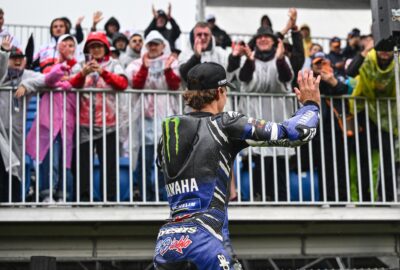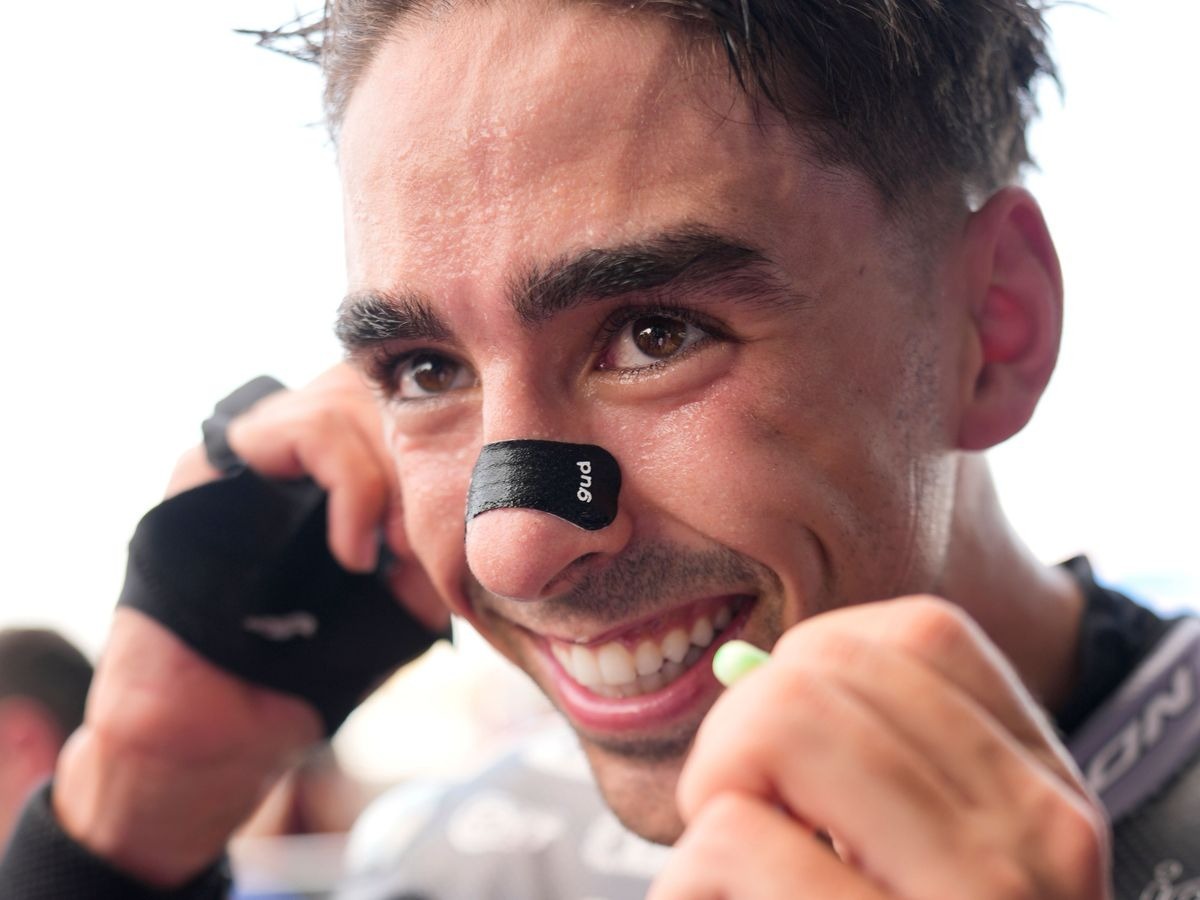
Fabio Quartararo believes his difficulties at Yamaha cannot be directly equated with Francesco Bagnaia’s downturn at Ducati. Speaking to Motorsport.com before the Austrian Grand Prix on September 17, he pointed to the difference in their team-mates’ results: Marc Marquez is winning. If his own team-mate could do the same, Quartararo said, he would be angry and work to understand why he could not.
Beyond championship positions, the reference points differ
The pre-event interview set out the standings: Bagnaia was ninth with 143 points, while Quartararo was 15th with 61. Yet Quartararo remained the highest-placed Yamaha rider, ahead of Jack Miller on 28 points. Bagnaia’s factory team-mate Marc Marquez had scored 166 points in the last six rounds alone, more than Bagnaia’s total for the entire season. This compares Marquez’s recent run with Bagnaia’s season total; subtracting the two does not give their points difference over the same six rounds.
Quartararo said he would find his position unacceptable if Alex Rins, Miller or Toprak Razgatlioglu were winning. He also stressed, however, that he did not know every aspect of Bagnaia’s relationship with Ducati. His comments about anger and searching for an explanation described his hypothetical reaction in the same circumstances. They did not confirm Bagnaia’s own emotional state or diagnose Ducati’s specific problem.
Misano results and concerns about rain in Austria
The September 13 Misano Grand Prix offers a recent comparison. MotoGP’s official report recorded victory for Marc Marquez and a crash retirement for Bagnaia. Yamaha’s report stated that Quartararo started 12th and finished tenth, 23.229s behind the winner. Both rider and team mentioned fuel-management difficulties during the race. Quartararo said he did not yet understand the cause and felt he had extracted as much as possible from the bike that day. That is his assessment of the specific race, not a complete explanation of every Yamaha problem.
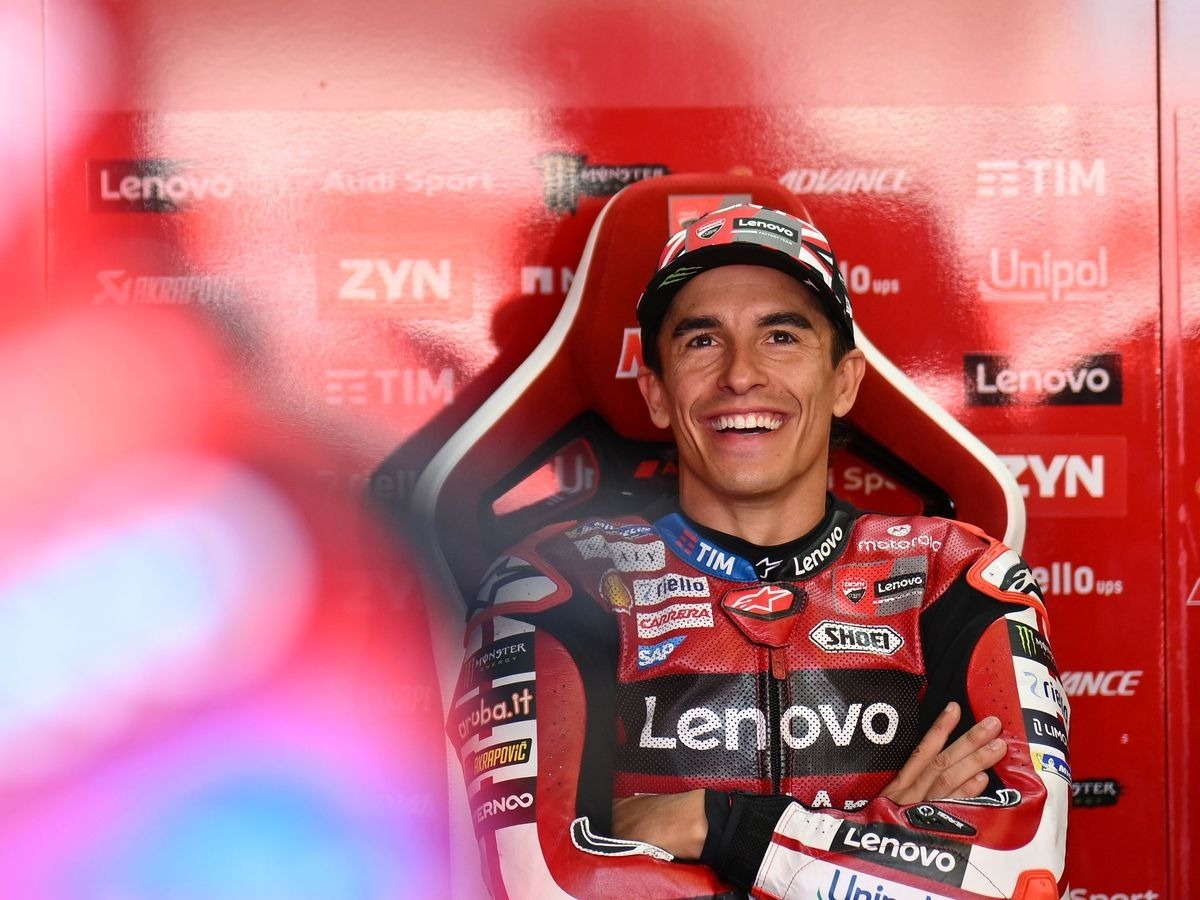
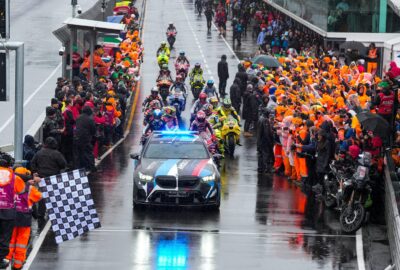
Looking ahead to Austria, Quartararo feared rain would make Yamaha’s lack of grip more apparent. He mentioned braking and rapid changes of lean angle, contrasting them with the higher-grip Indonesian circuit, where he felt wet conditions might be more manageable. This was his assessment before the Red Bull Ring weekend, not the result of an Austrian wet race. The fuel difficulties and comments on grip came from different race contexts; the available feedback did not attribute both to one cause.
INKA SPORTS analysis: A team-mate’s results provide a reference, not a diagnosis
The central distinction is that “best rider on the same manufacturer” and “a winning team-mate” answer different questions. Quartararo’s 61 points and position as the leading Yamaha rider show where he stands among riders on the same machinery, but do not prove that the M1 can win consistently. Marquez’s victories give Bagnaia a more direct factory-team reference, demonstrating that Ducati can currently win races. Both riders may be dissatisfied, but their starting points when investigating the gap differ. Ninth and 15th in the standings alone cannot decide who should be more content.
Misano also illustrates the limits of that comparison. Bagnaia retired, so his outcome was already affected by not finishing. Quartararo completed the race but reported fuel difficulties whose cause remained unclear. Positions or the 23.229s gap alone cannot isolate the respective effects of riding, bike problems and finishing status. A team-mate’s victory raises the question of why riders within one team perform differently, but does not supply the answer. Likewise, grip is a difficulty Quartararo specifically identified, not proof that the same cause explains every lost point.
Conclusion
Quartararo uses team-mate results to explain why he rejects a simple comparison with Bagnaia. One remains his manufacturer’s highest-scoring rider, while the other has a factory team-mate regularly scoring and winning alongside him. The latter therefore has a clearer reference point, but the cause of his downturn has not been diagnosed. Ahead of Austria, the question is whether both teams can explain the specific difficulties their riders have raised. Any subsequent change in position will still need to be considered alongside finishing circumstances and actual feedback.